



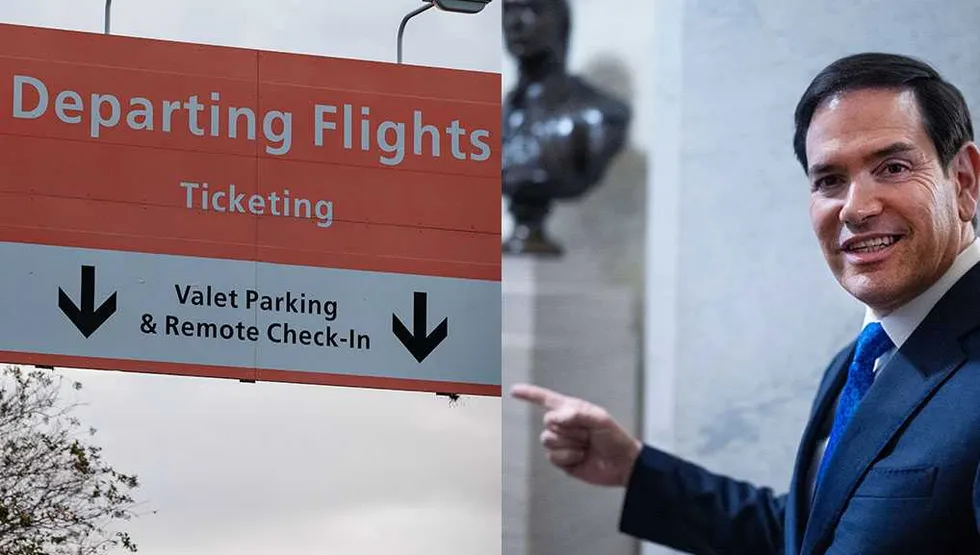
The days of foreigners using temporary tourist and business visas to stay in the U.S. indefinitely are over.In addition to launching a Birth Tourism Prevention Task Force aimed at curtailing the number of anchor babies, the State Department is poised to take action against foreigners who are attempting to use their nonimmigrant visas as stepping stones to asylum in America.’This is really just good housekeeping.’According to a pair of U.S. officials and State Department documents obtained by the Associated Press, Secretary of State Marco Rubio’s department is set to announce the revocation of B-1 and B-2 visas that were issued over the past decade to foreigners who have sought or are seeking asylum. More than 200,000 foreign nationals reportedly could see their visas revoked at the outset.Deputy Secretary of State Christopher Landau noted on Monday, “People in the US and all over the world are fed up with bogus asylum claims.””Asylum isn’t supposed to be a loophole to circumvent immigration laws; rather, it’s supposed to provide a narrow safe harbor for persons persecuted because of their ‘race, religion, nationality, membership in a particular social group, or political opinion,'” said Landau. “But the system has long been swamped by frivolous asylum claims, meaning that it takes years to adjudicate whether applicants are actually entitled to asylum — during which time they can typically work, have children, and otherwise put down roots in our country.”RELATED: Is Ilhan Omar getting deported? Trump’s post raises eyebrows U.S. Deputy Secretary of State Christopher Landau. Finn Gomez/Getty ImagesA B-1 visa is intended for short-term business activities “other than the performance of skilled or unskilled labor” and is not for persons who seek to obtain and engage in employment while in America. Allowable uses for this particular nonimmigrant visa include traveling to the U.S. to participate in commercial negotiations or conferences. A B-2 visa is intended for tourists — those who want to travel to the U.S. to visit with friends or relatives, obtain medical treatment, or take a vacation.Fiscal year 2024 alone saw the issuance of over 6.49 million B-1/B-2 visas classed “Temporary Visitor for Business and Pleasure”; 31,544 B-1 visas classed “Temporary Visitor for Business”; 1.91 million visas classed “Combination B1/B2 and Border Crossing Card”; and 12,072 visas classed “Temporary Visitor for Pleasure.”State Department spokesman Thomas Pigott said in a statement obtained by the Associated Press, “We are coordinating with DHS to identify and revoke the nonimmigrant visas of foreigners who have come to the United States claiming to be short-term visitors, but then file for asylum to stay here permanently.”Pigott did not say precisely how many visas might ultimately be affected, noting only that “as the process will be ongoing, the number of revocations remains dynamic and will be done on a rolling basis.”When asked for comment, the Department of Homeland Security referred Blaze News to the State Department, which did not immediately respond.Simon Hankinson, a senior research fellow at the Heritage Foundation’s Border Security and Immigration Center, told Blaze News, “This is really just good housekeeping.””Asylum fraud is the easiest way for mala fide or economic migrants to get to stay in the West. Anyone claiming asylum here is clearly no longer doing what they said they would when they got a visa, and they certainly should not be allowed to come and go as they please,” continued Hankinson. “We encourage tourists, business people, students, athletes, and all kinds of others to come here for a temporary period … but there are rules. Visitors are not supposed to break our laws or overstay their welcome.”Hankinson also noted: “When they apply for visas, aliens must show sufficient ties to their home country that they will return – which is the very opposite of what they would need to prove to get asylum. Some people lie to get immigration benefits.”While foreigners whose visas are revoked might not necessarily be deported immediately, a U.S. official told the Associated Press that they would nevertheless lose their status as tourism or business travelers under the proposed initiative.Hankinson acknowledged that foreigners who have already been granted asylum are able to process to green card and citizenship — and visa revocation doesn’t change that. However, if they are refused asylum, they can be deported.”At that point, they would never qualify for a visa because they’d be high risk to overstay again or come illegally,” said Hankinson.Like Blaze News? Bypass the censors, sign up for our newsletters, and get stories like this direct to your inbox. Sign up here!
FOX NEWS
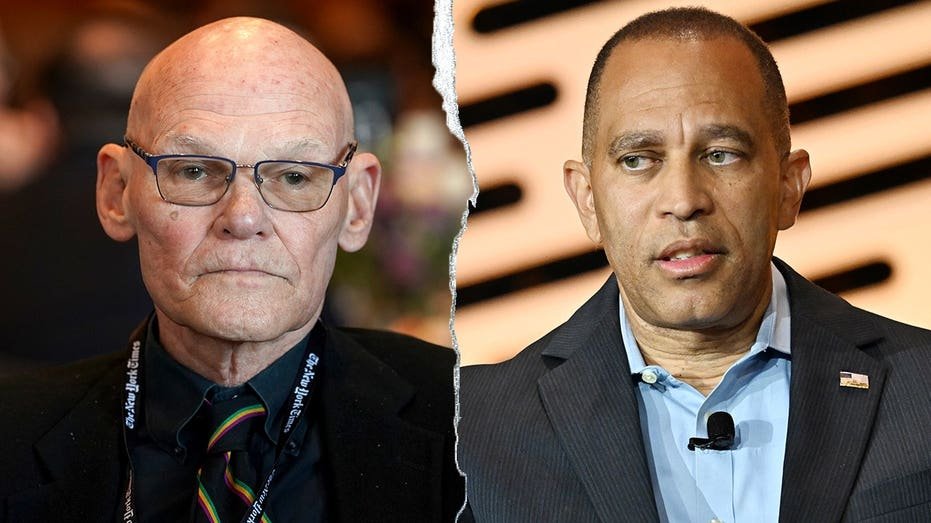
Veteran Democratic strategist James Carville tore into House Minority