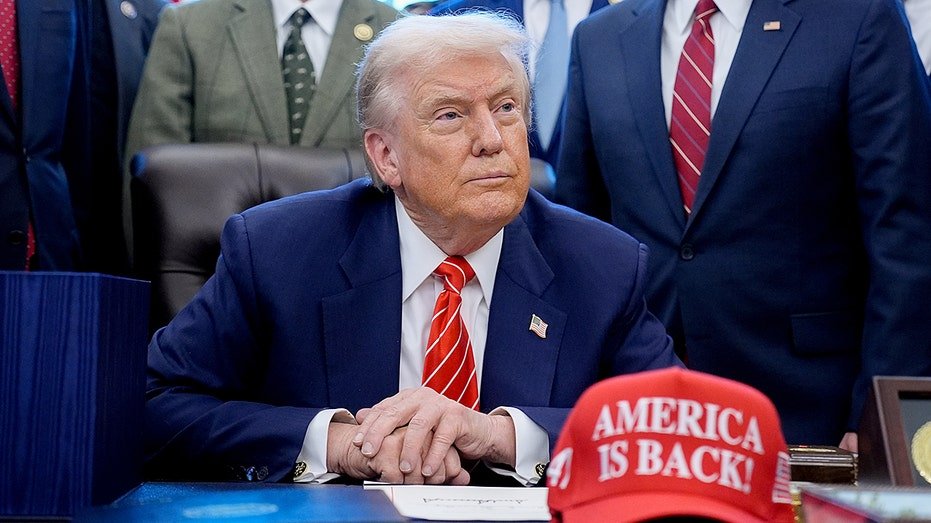



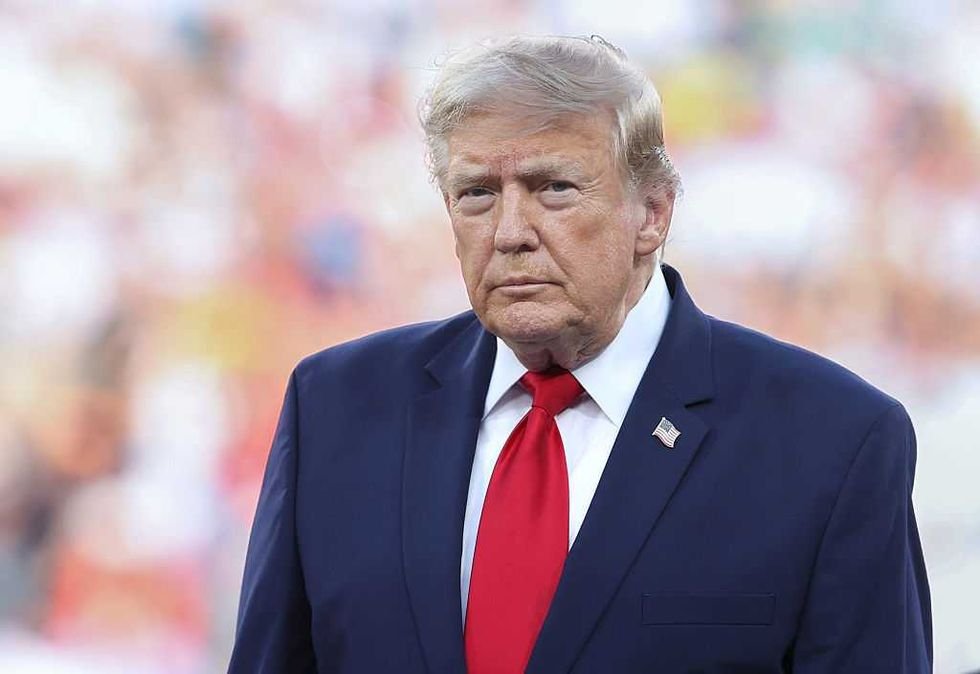
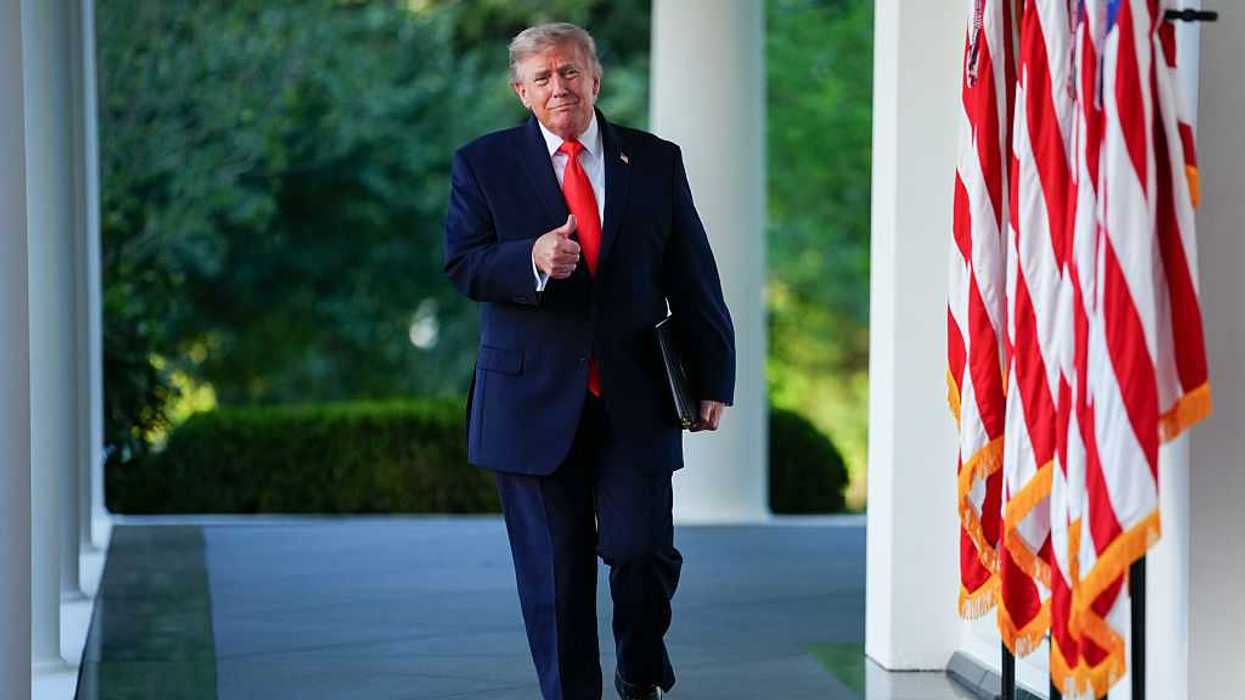
On July 16, President Donald Trump delivered a national address on vulnerabilities in our electoral process, including noncitizens on voter rolls and foreign access to election data. Unsurprisingly, CNN, NBC, and ABC declined to carry the speech live on their primary networks.
The blackout reinforced what millions of Americans already believe: Major media outlets protect one party’s preferred narrative. Trump’s fiercest critics had already decided that anything he said must be false and that the nation’s elections require no further scrutiny.
When officials dismiss documented weaknesses as conspiracy theories — or when networks suppress the discussion altogether — they deepen the distrust they claim to deplore.
No available evidence proves that fraud compromised an election so thoroughly that officials should overturn the result. That is not the relevant standard for reform. Documented cases show that noncitizens have registered and voted, foreign governments have obtained sensitive voter data, and hostile actors have tried to influence American elections through cyberattacks and propaganda.
Fraud and foreign interference are designed to escape detection. Verified cases do not prove every sweeping allegation, but neither do they justify complacency. Investigators will never learn the scale of a problem when officials block attempts to examine it.
A preliminary Department of Homeland Security review reportedly flagged as many as 35,152 noncitizens on New Jersey voter rolls. Yet some state Democrats continue trying to make it easier for anyone who lives in New Jersey to vote while calling citizenship and identification safeguards “an attack on democracy nationwide.” The real attack on democratic legitimacy comes from leaving obvious vulnerabilities unresolved.
Claims that China produced fake driver’s licenses to facilitate mail-in voting remain allegations. The documented facts are serious enough: In 2020, U.S. Customs and Border Protection officers in Chicago seized more than 19,000 fraudulent driver’s licenses shipped from China and Hong Kong.
Federal prosecutors have brought a number of cases involving election fraud and ineligible voting. A searchable public database also compiles proven cases from across the country. These cases do not establish that every close election was stolen. They establish that safeguards have work to do.
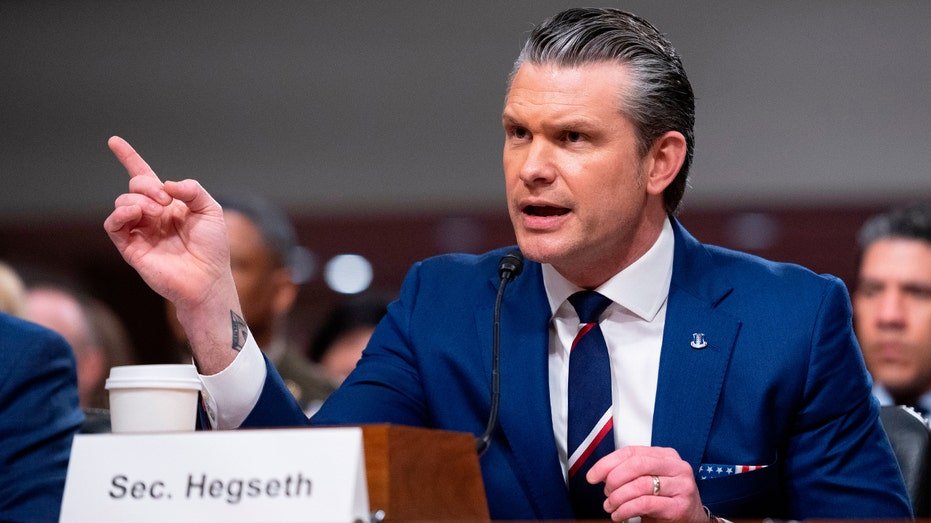
Homeland Security Secretary Markwayne Mullin noted that a preliminary review found more than 250,000 noncitizens registered in California, New Jersey, Pennsylvania, and Nevada — four states containing roughly 19% of the U.S. population.
RELATED: ‘Software error’ led to 400 noncitizens voting in New Jersey, says Democrat Gov. Mikie Sherrill
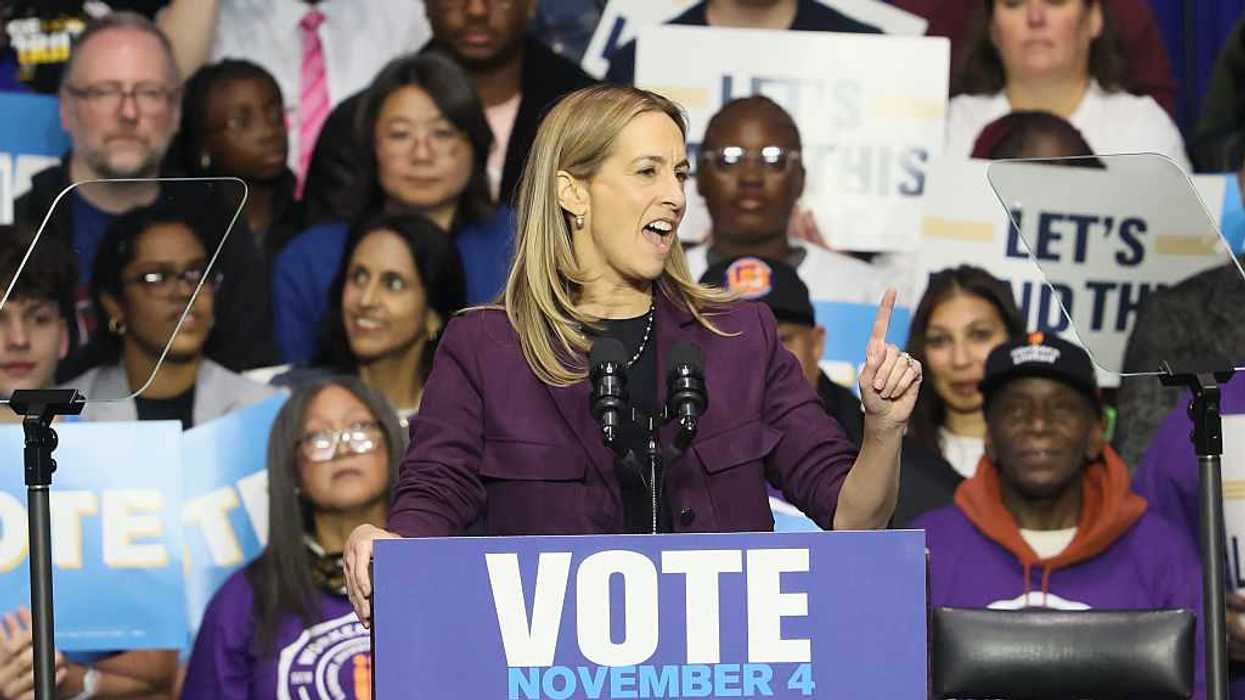
Democrats and much of the press have denounced these findings, but the dispute concerns the reliability and scale of the reported matches, not whether voter rolls can contain ineligible registrants. That distinction calls for transparent audits, not censorship or slogans.
Even before Trump’s speech, only 60% of voters said they were confident votes would be counted accurately nationwide. A self-governing republic cannot settle for 6 in 10 citizens trusting the machinery that selects its leaders.
Foreign governments have not remained idle. They have probed election systems through hacking, purchased publicly available data, and run influence campaigns designed to deepen political division.
Declassified intelligence indicates that Chinese actors acquired roughly 220 million U.S. voter records during the 2020 cycle, including names, addresses, phone numbers, and party preferences. Beijing did not collect that information out of civic curiosity.
China reportedly devoted resources to analyzing and exploiting the data. Its known operations include disinformation, social media influence efforts, and cyber reconnaissance targeting election infrastructure.
China is not alone. In 2021, two Iranian nationals were charged in a cyber-enabled disinformation and threat campaign intended to influence the 2020 presidential election. Russia has also conducted disinformation efforts across multiple election cycles.
Foreign interference becomes easier when voter data lack strong safeguards, identity checks remain inconsistent, mail-in systems use variable verification, and cybersecurity gaps go uncorrected. Every weakness provides another opening for adversaries seeking to manipulate voters or corrode trust in the outcome.
RELATED: Trump should force Congress to pass the SAVE America Act — now
Congress can address those vulnerabilities without disenfranchising lawful voters or relitigating past elections. Photo identification, proof of U.S. citizenship at registration, sensible mail-in ballot safeguards, routine voter-roll maintenance, transparent audits, and stronger cybersecurity would raise the cost of both domestic fraud and foreign interference.
Trump’s speech deserved a national audience because election legitimacy depends on public confidence. The SAVE America Act, with photo-ID, citizenship verification, and mail-in ballot provisions, offers a practical place to begin.
Election integrity is not a partisan luxury. It is the foundation of representative government. When officials dismiss documented weaknesses as conspiracy theories — or when networks suppress the discussion altogether — they deepen the distrust they claim to deplore.
Trump was right to force the issue into public view. The media’s refusal to carry his argument did not disprove it. It demonstrated why so many Americans no longer trust the institutions telling them that nothing is wrong.