
 Image source, EPA
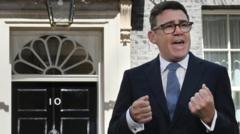
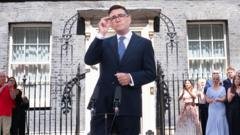
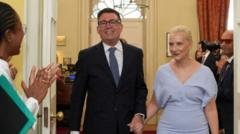
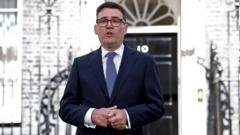
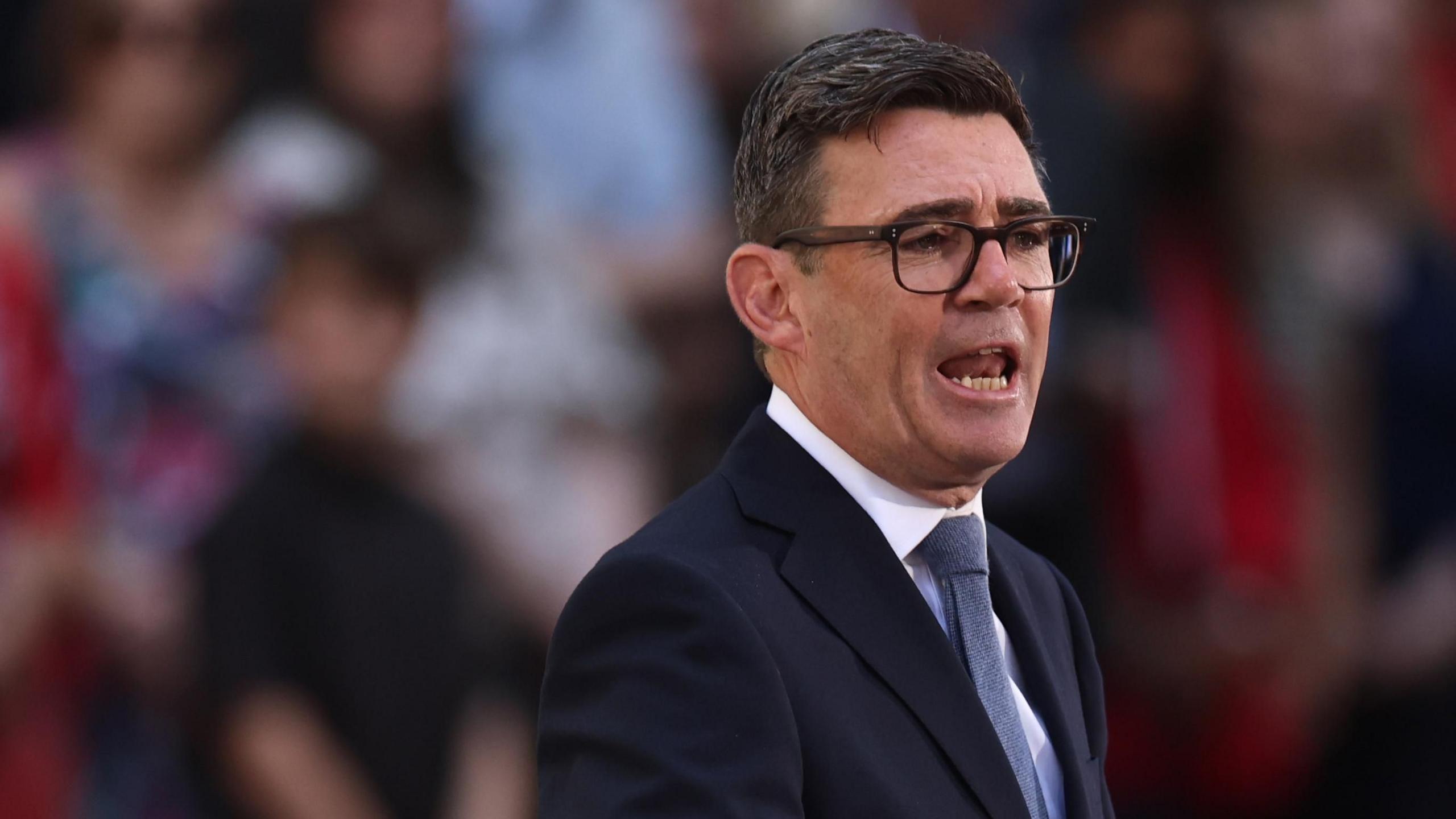
Andy Burnham has pulled back from suggestions about increasing the tax-free personal allowance.
The £12,570 threshold has been frozen since 2021, resulting in more people being dragged into paying tax as earnings increase.
Burnham told the Times over the weekend that the “frustration about the personal allowance” he had heard while campaigning in the Makerfield by-election was “lodged in my mind”.
The prime minister then told reporters on Monday that “all of this will be looked at” in the next budget but conceded any change would be expensive and “difficult given the financial circumstances in which we find ourselves”.
Those close to Burnham have since told BBC News that any changes to the personal allowance are not part of his initial plan to tackle the cost of living.
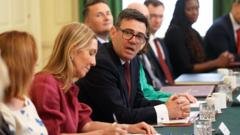
It comes after Burnham told his first cabinet meeting: “We’ve got to show fiscal discipline. We’ve got to show that our commitment to the fiscal rules is real and we’re prepared to make difficult decisions in relation to that.”
Burnham has committed to Labour’s 2024 manifesto, which included a promise not to increase the basic, higher, or additional rates of income tax.
That would rule out increasing the top rate of income tax paid by higher earners to offset the cost of lifting the personal allowance.
The Institute for Fiscal Studies has estimated that unfreezing the threshold could end up costing £8.5-9bn a year.
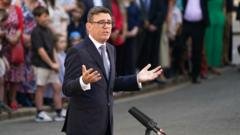
Burnham said on Monday that he was “just kind of showing I have visibility of the issue and the impact it’s had.”
He told reporters it would be “looked at” in the Budget, but added: “Obviously it’s difficult, given the financial circumstances in which we find ourselves.”
Government sources told the Telegraph on Tuesday that there were “no plans” to announce any changes to the £12,570 personal allowance “in the short term”.
-
Who’s in Andy Burnham’s cabinet?
-
10 hours ago
-
Burnham has told his cabinet he wants to lead a “cost of living government”, and that to make that happen, ministers should be “prepared to reprioritise” how they allocate their budgets.
On Tuesday morning, he announced a VAT cut to household electricity bills from 1 October, saving a typical household about £45 a year.
The estimated £850m cost would be funded by scrapping Sir Keir Starmer’s digital ID scheme, he said.
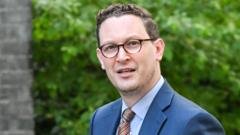
This has already been disputed by former Chief Secretary to the Prime Minister, Darren Jones, who said the Digital ID programme was unfunded.
“The government will have to set out how it will pay for its new policies at the budget,” he wrote on X.
The prime minister’s spokesman insisted the policy would be funded by redirecting “savings” identified by departments to cover the cost of the ID scheme.
Burnham has said there will be further measures announced later this week to ease cost of living pressures on working Britons.
On Wednesday he is expected to announce a reduction on the national cap on all bus fares in England outside London, from £3 to £2. This is set to come in force in January.
Related topics