



You know that feeling. You cleared security, your flight isn’t boarding yet and now you are wandering the airport terminal. You are looking for a seat, an outlet or something to eat that does not feel ridiculously overpriced.
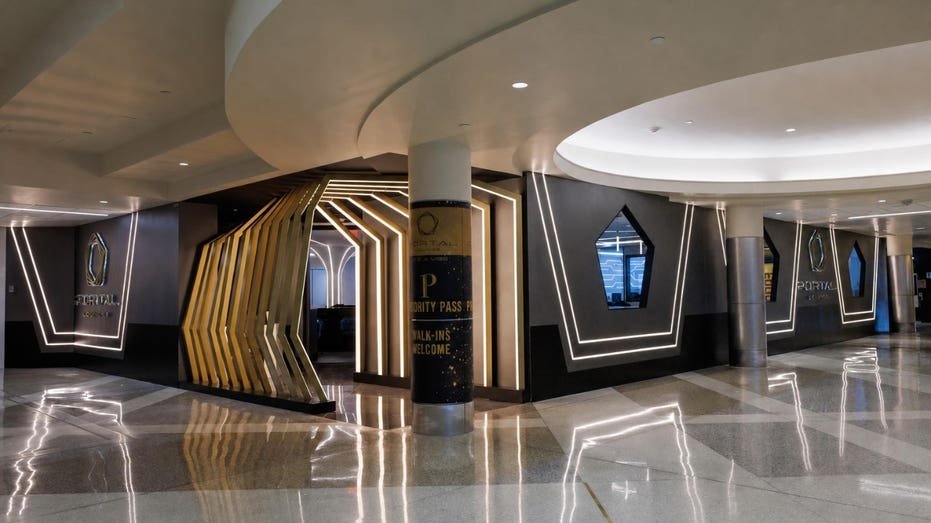
At Minneapolis-St. Paul International Airport, a new lounge wants to make that dead time feel a lot less dead. Portal Lounge, a new high-tech airport lounge from the founders of Gameway, opened May 28 at MSP.
It blends gaming, dining, music, interactive design and robot-made drinks into a social space built for travelers who want a better way to spend their time before boarding.
Sign up for my FREE CyberGuy Report
UNUSUAL AIRPORT AMENITY GAINS TRACTION AS PART OF HEALTHY TRAVEL PUSH: ‘MAKES A WORLD OF DIFFERENCE’
Portal Lounge comes from Jordan and Emma Walbridge, the entrepreneurs behind Gameway. Their airport gaming concept already operates across nine U.S. airports, with plans to reach 11 locations by the end of the year.
Portal Lounge takes that gaming idea and expands it into a broader hospitality experience. Instead of building another traditional lounge around silence and exclusivity, the founders designed a social space with energy, entertainment and technology at the center.
The lounge spans 3,800 square feet and can hold about 114 people. It features a portal-inspired entrance, cinematic lighting, art deco-inspired interiors, curated music, custom furnishings and social seating areas.
One of the biggest tech features is the gaming setup. Portal Lounge includes 17 dedicated gaming stations with Nintendo Switch, Xbox, PlayStation and custom-built gaming PCs.
Travelers can choose from nearly 30 titles across casual, multiplayer, streaming and competitive gameplay. Adults ages 30 to 39 now represent the largest gaming demographic in the U.S. That same group also includes many travelers willing to spend on better airport experiences.
Emma said Gameway helped show how travelers respond when airport downtime becomes more interactive.
“Gameway really showed us how much travelers respond to environments that feel interactive and intentional,” Emma told CyberGuy. “When people are traveling, especially during delays or long layovers, they’re looking for ways to decompress and reset instead of just sitting in another generic waiting area.”
That insight helped shape Portal Lounge beyond gaming alone. Emma said the team wanted the space to feel welcoming, energetic and experience-driven while still offering the comfort travelers expect from a premium lounge.
“The gaming and entertainment elements are part of that, but so is the atmosphere, the food and beverage program, the music, and the overall design of the space,” she said.
RISKY ‘AIRPORT THEORY’ HAS TRAVELERS CUTTING ARRIVAL TIME FOR FLIGHTS ‘WAY TOO CLOSE,’ SAYS EXPERT
The robotic bartender will probably get the most attention, and for good reason. Portal Lounge says it is introducing the first robotic bartender of its kind inside a U.S. airport lounge. The robot was developed in Italy and works alongside a traditional bar program. It can prepare cocktails and mocktails while giving travelers something highly visual to watch. That makes it part drink service and part entertainment.
This is where the lounge leans fully into tech-enabled hospitality. The robot does not replace the entire bar experience. Instead, it adds a memorable centerpiece that people will likely record, share and talk about before boarding. In other words, the robot bartender is the hook. The bigger story is how airports are starting to turn waiting into an interactive experience.
“For us, the technology is there to enhance the experience, not overpower it,” Jordan told CyberGuy. “We wanted Portal Lounge to feel modern, social, and experiential in a way that traditional airport lounges really haven’t evolved into yet.”
He said technology touches the full lounge experience, from check-in to entertainment, lighting, music and gaming. “The goal was to create something that feels seamless and immersive from the moment you walk in,” he said.
AIRPORT ROBOTS HANDLE BAGGAGE IN TOKYO TRIAL
Portal Lounge is also trying to move beyond the usual airport food experience. The menu includes chef-driven small plates, regional drinks and cocktails tied to Minnesota. One signature drink, called the “Lag Free,” is a Minnesota-inspired margarita with Honeycrisp apple, maple and citrus notes.
There is also “Prince’s Lemonade,” a zero-proof cocktail inspired by Minnesota music icon Prince. That local touch helps the lounge feel connected to Minneapolis instead of like another airport space that could be anywhere. It also speaks to a bigger travel shift. Many travelers want places that feel memorable, photo-worthy and tied to the city they are passing through.
Airport lounges used to be pretty predictable. You got a quieter seat, a snack, Wi-Fi and maybe a drink before your flight. For years, that felt like enough. Now, many travelers want more from the time they spend inside airports. Some lounges are packed. Gate areas can feel chaotic. And when you have an hour or two before boarding, sitting around and staring at a screen gets old fast.
That is where Portal Lounge is trying something different. It operates as an independent common-use lounge instead of an airline-specific club. Travelers can access it through Priority Pass and participating credit card programs, including Chase, American Express and Capital One. Walk-in access is also expected to cost about $70, depending on availability.
That price may make some people pause. For a quick stop before boarding, it may not make sense. But for a long delay, an extended layover or a family with time to burn, the math changes. Portal Lounge is betting that games, food, music and robot-made drinks can make airport waiting feel a lot less like waiting.
Minneapolis-St. Paul International Airport gives Portal Lounge a strong place to launch this concept. MSP welcomed about 36 million passengers in 2025, and many of them begin their trips there. That means plenty of travelers arrive early, clear security and still have time before boarding.
That extra time is exactly what Portal Lounge is built around. If you are running to your gate, you are probably not stopping for a gaming session or a robot-made mocktail. But if you have 90 minutes to spare, the pitch changes fast. Suddenly, the airport wait does not have to mean sitting shoulder to shoulder at the gate, guarding your bag and watching the minutes crawl by. Portal Lounge is hoping that travelers with time to kill may want something better to do with it.
Portal Lounge could give airport downtime a much-needed upgrade. If you are flying through MSP, it may offer a more entertaining way to wait. You can play games, grab food, listen to curated music and check out a robotic bartender before your flight.
Emma said the goal is for travelers to feel like the lounge changes the way they experience airport time.”We hope travelers walk away feeling like their time at the airport became part of the trip itself, not just time spent waiting for a flight,” she said. “Portal Lounge was designed to create a more immersive, engaging, and entertainment-driven experience, where guests can genuinely relax, connect, and enjoy themselves in a way that feels very different from a traditional airport lounge.”
That sounds appealing, especially if you are facing a delay or traveling with people who get restless before boarding. Still, the coolest lounge in the airport does not help if you miss your flight. Set an alarm, watch the boarding time and do not let one more game turn into a sprint to the gate.
Your phone holds your email, passwords, photos, banking apps and personal data. In this free, live online class, Kurt the CyberGuy will walk you step by step through simple phone security fixes you can do in real time. You’ll learn how to improve your privacy settings, spot the latest phone scams, use trusted security tools and walk away with a simple checklist to stay protected. Register here: CyberGuyLive.com
Portal Lounge feels like a sign of where airport travel is headed. Travelers no longer want to sit around and stare at a boarding screen for two hours. They want comfort, entertainment and a better use of their time. The robotic bartender will grab attention. But the bigger tech story is the full experience: gaming stations, interactive design, curated music, social seating and a lounge model built around how people actually spend downtime today. Will every traveler want this? Probably not. Some people still want a quiet corner and a strong cup of coffee. But for travelers who see airport time as dead time, Portal Lounge could make the wait feel more useful and a lot more fun.
Would you pay for a high-tech airport lounge with gaming stations and robot-made drinks, or would you rather save the money and wait at the gate? Let us know by writing to us at Cyberguy.com.
Sign up for my FREE CyberGuy Report
Copyright 2026 CyberGuy.com. All rights reserved.