


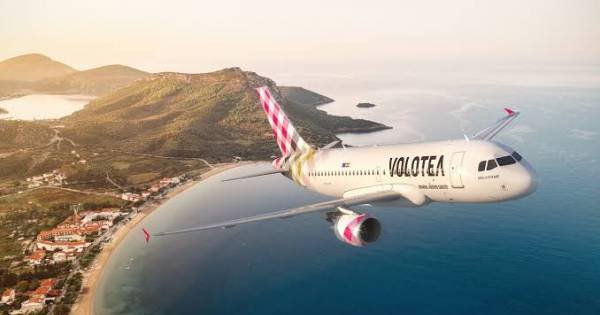

Volotea, the airline connecting small and mid-sized European cities, operates a direct-flight connectivity model that helps significantly reduce the environmental impact of air travel. According to a company study, direct flights can avoid CO2 emissions by 54% compared with itineraries requiring connecting flights. This improvement is driven by several factors, including avoiding 58% of the travel time associated with connections and a 37% decrease in distance travelled. As a result, fuel consumption, and therefore CO₂ emissions generated per journey, is significantly reduced. These benefits are further supported by a load factor that has remained above 90% since 2018 and reached 91% in 2024, helping maximize operational efficiency and optimize resource utilization.
Since launching operations in 2012, Volotea has implemented more than 50 initiatives aimed at reducing fuel consumption across its fleet. As a result, by the end of 2024 the airline had reduced CO2 emissions per passenger-kilometer (RPK) by 50% compared with 2012 levels, achieving this milestone five years ahead of schedule. In 2025, the reduction exceeded 51% versus 2012. The airline has now set a new target of reducing emissions by 55%–60% by 2030.
The company also offset 23.6% of its emissions in 2025 through a range of European and international projects. Specifically, Volotea offset nearly 80,000 metric tons of CO₂ in France through more than 25 projects certified under the Low Carbon Label (Label Bas-Carbone, LBC) framework.
In terms of sustainable aviation fuel (SAF) use, Volotea utilized more than 7 million liters of SAF in 2025, representing over 2% of its total fuel consumption and placing the airline more than three times above the industry average, which stood at approximately 0.6% during the same period.
This represents a significant increase from 2024, when the airline used approximately 1.3 million liters of SAF[1], multiplying its annual SAF consumption by more than five in just one year. On a cumulative basis, Volotea incorporated more than 9.4 million liters of SAF into its operations between 2022 and 2025, reflecting a clear acceleration in the adoption of sustainable aviation fuels.
ADVERTISEMENT
According to the International Civil Aviation Organization (ICAO), SAF offers the greatest potential to reduce CO2 emissions from international air transport in the short and medium term. The SAF used by Volotea can reduce lifecycle CO2 emissions by up to 90% compared with conventional fossil-based jet fuel.
According to Gloria Carreras, Volotea’s ESG Director: “When we talk about sustainability in aviation, the focus is often on new technologies or sustainable aviation fuels, and rightly so. However, it is equally important to recognize that the way an airline designs its network can have a direct impact on emissions. At Volotea, we have built a unique network in Europe that provides direct connections between small and mid-sized cities, bringing opportunities closer to people and regions that have traditionally been less connected, while also avoiding longer and less efficient journeys. This combination of social impact and operational efficiency is one of our greatest strengths and a key driver of the progress we continue to make in reducing our emissions.”
These achievements were validated during the fifth external audit of Voloterra, Volotea’s sustainability program, conducted by the international auditing firm EQA, a specialist in sustainability and environmental verification and certification. The audit confirmed the company’s key environmental and sustainability performance indicators for the 2025 fiscal year, including SAF usage, the evolution of emissions per passenger-kilometer, operational efficiency initiatives, and carbon offsetting measures implemented by the airline.
As part of its broader sustainability strategy, Volotea continues to strengthen connectivity between Europe’s small and mid-sized cities through direct flights. In 2026, more than 93% of the airline’s routes cannot be served by rail in less than six hours, and none of its more than 400 routes can be completed by train in under three hours.
The verification process also recognized additional sustainability initiatives undertaken by the company, including collaborations with industry stakeholders to support the development of sustainable aviation fuels. In this context, Volotea maintains agreements with Moeve and Repsol in Spain, TotalEnergies in France, and Enilive in Italy.
For more information about Voloterra, visit: https://www.volotea.com/en/sustainability/.