



Trump Doesn’t Need a Big Iran Deal
The “deal or war” choice is a false binary—and a good thing too.

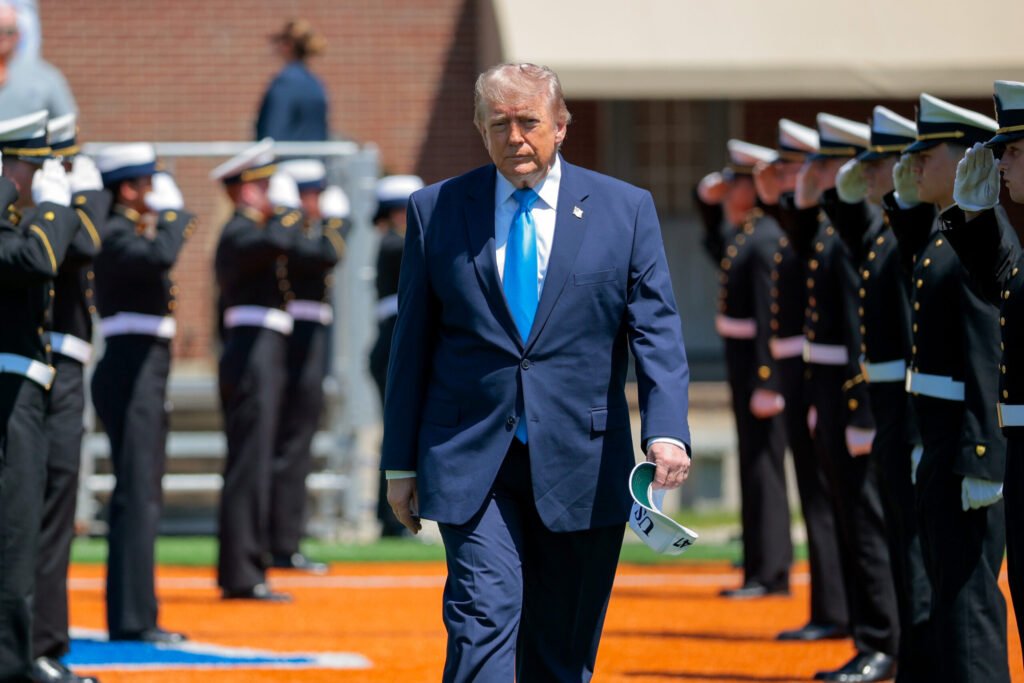
President Donald Trump has always said he’d rather make a deal than a war with Iran, but that he wouldn’t hesitate to do the latter if needed.
Sure enough, when he failed to get a nuclear deal last year, Trump bombed Iran’s nuclear facilities. And when a grand bargain still wasn’t forthcoming in late February, he and Israel’s Prime Minister Benjamin Netanyahu launched a joint, large-scale war against Iran that swiftly degenerated into a geopolitical and global economic catastrophe.
The war stayed hot until a ceasefire began this April. For better or worse, Trump’s back in dealmaking mode, but he’s modified his rhetoric in characteristic fashion: Now, he says he’ll either make a big agreement or a big war. “It will only be a Great Deal for all or, no Deal at all — Back to the Battlefront and shooting, but bigger and stronger than ever before,” Trump wrote Monday on Truth Social. “And nobody wants that!”
The president is right: Nobody wants that. Trump himself clearly doesn’t, which is why he’s issued dramatic ultimata, even threatening to annihilate Iranian civilization unless Tehran reopened the Strait of Hormuz, and then declined to follow through after the Islamic Republic didn’t budge.
To understand Trump’s efforts to end the war and the odds that he’ll succeed, you should pay less attention to his bluster on social media and think more about the constraints under which he’s acting. If you do that, I think you’ll agree with me that we’re probably not going to see a big war or a big deal—and that the former is more likely than the latter. This being the case, Trump should aim instead for a small deal that ends the war but leaves thorny political issues unresolved.
Last Friday, when the chattering classes were panicking that Trump was about to restart the war, I made a contrary prediction, writing on X, “No attack and no deal. Can’t get a (comprehensive JCPOA-style deal) because of political constraints. Can’t attack because of munitions constraints and Iran’s retaliatory capabilities.”
(The JCPOA—or Joint Comprehensive Plan of Action—was the Iran nuclear deal that President Barack Obama struck in 2015 and that Trump withdrew from three years later. Analysts say Trump feels pressure to get a deal that’s bigger and better than that accord to avoid looking like he really screwed the pooch on Iran.)
Last Saturday, the hive mind reversed course, and commentators were suddenly expecting Washington and Tehran to strike some kind of landmark peace agreement. The Iran hawks entered meltdown mode, while the doves were aflutter with excitement, and all of this based mostly on some optimistic pronouncements from Trump.
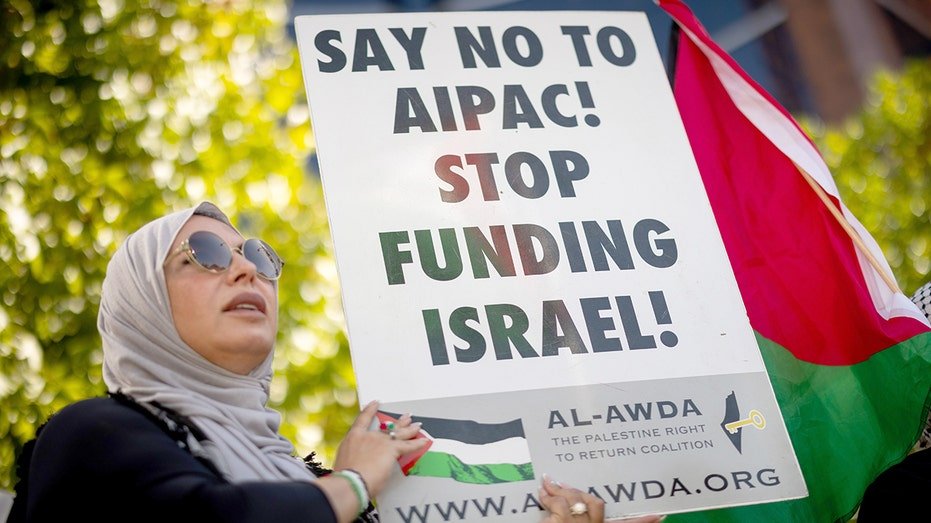
The hawks’ freakout illustrates the sort of political constraints that I’ve been worried about. Whenever Trump seems on the verge of securing peace with Iran, the Israel lobby goes berserk, accusing him of appeasing Israel’s chief adversary in the Middle East. “AIPAC is currently retweeting politicians BLASTING Trump’s reported peace agreement with Iran,” observed Eli Clifton of the Quincy Institute on Saturday, referring to the most prominent pro-Israel lobbying group.
Israel is happy to let its supporters in DC fight the president on its behalf, but it has other, more indirect ways to disrupt diplomacy. Iran insists that the current ceasefire should cover the entire regional war, including in Lebanon, where Israel is waging a deadly military campaign. Thus, Israel can sabotage peace negotiations by escalating in Lebanon.
That’s one big reason the ceasefire exists in name only, with journalists and world leaders continually generating new terms to describe it: “fragile,” “buckling,” “under strain,” and even “on massive life support” (that one is Trump’s, of course). Now, amid rising hopes of a peace deal or at least a “memorandum of understanding” between Washington and Tehran, Netanyahu is escalating the Lebanon campaign.
Unless Trump exerts real leverage over Israel, the problem will continue—and he’s never seemed especially eager to do that. So instead of breaking out the sticks, Trump has engineered a big new carrot. On Monday, he said an agreement with Iran should include a requirement for Turkey, Pakistan, Egypt, Jordan, and the Gulf Arab countries to sign the Abraham Accords, which have normalized relations between Muslim nations and Israel.
Trump is trying to whip up some incentives for Israel to support an Iran deal, but the move adds more complexity to peace negotiations that were already difficult enough. Muslim-majority nations resent Israel over its mistreatment of the Palestinians, so their leaders can’t sign the Accords without risking domestic political blowback.
Making U.S.–Iran diplomatic success contingent on the behavior of a bunch of Muslim nations is hardly a good solution to the problem of Israel’s own influence. And it’s hardly America First. Opponents of the Iran War should encourage Trump to change tack, narrowing the scope of negotiations to limit the role of spoilers and kick the most difficult political issues down the road.
Given Iran’s leverage, Trump would need to make big concessions to secure a comprehensive agreement that constrained its nuclear program and addressed broad regional issues, and such concessions would ineluctably agitate the Iran hawks. Better, then, to work toward a small, achievable deal that officially ends the war, stabilizes bilateral relations, and establishes a framework for continued dialogue.
If even a small deal proves unworkable, because of Israel or some other factor, then antiwar voices should emphasize that Trump doesn’t need a deal at all—he can just end the war. The “deal or war” binary is a false choice, and a good thing too, considering how elusive a deal has proven to be. Iran does not pose a threat to the American homeland, and America already has enough problems to worry about on the domestic front. Mr. President, it’s time to come home.
The post Trump Doesn’t Need a Big Iran Deal appeared first on The American Conservative.