




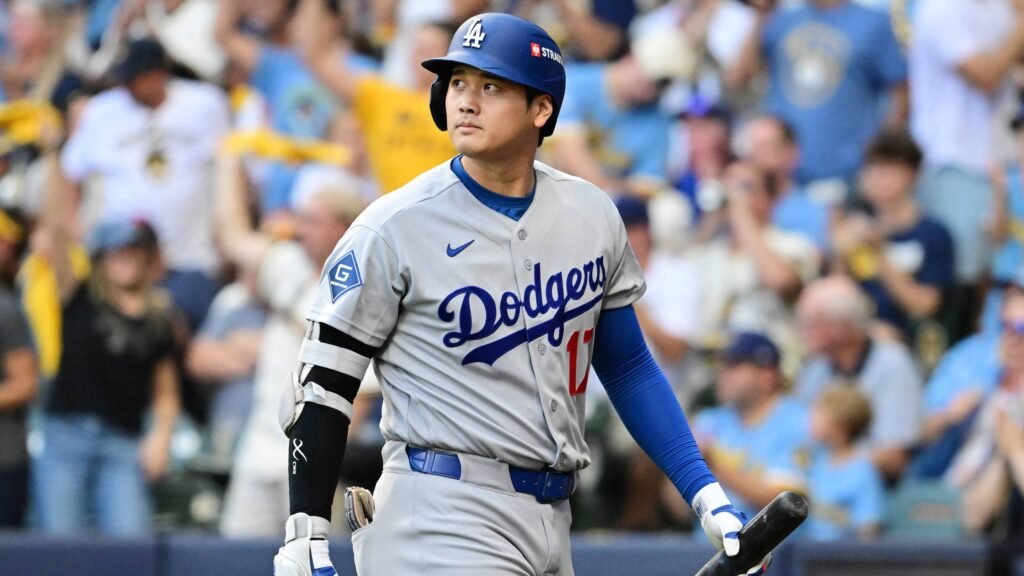

AJ Dybantsa, Darryn Peterson, Cam Boozer, Caleb Wilson, Darius Acuff Jr, Allen Graves, Brayden Burries, Ebuka Okorie, Hannes Steinbach, Ivan Kharchenkov, Kingston Flemings, and Davis Fogle. Ten of these players were first round picks in the 2026 NBA Draft, one is a projected first round pick in the 2027 NBA Draft (Ivan Kharchenkov), and one is Davis Fogle.
What do they have in common? These 12 players were the only freshmen in college basketball last season to have a Box Plus-Minus of at least +7.5 while playing at least 35% of their team’s minutes (plus four dunks by the end of the season).
Why does this matter? Well, since 2008, 78% of freshmen who have had a Box Plus-Minus of at least +7.5 while playing at least 40% of their team’s minutes (and at least four dunks throughout the season) played five-plus years in the NBA. In fact, 50% of players (45/90) who met that criteria (Productive Young Athlete Query) became NBA Starters or multi-time All-Stars — a rate comparable to the average lottery pick from 2008-2021.
Read More: The Productive Young Athlete Query
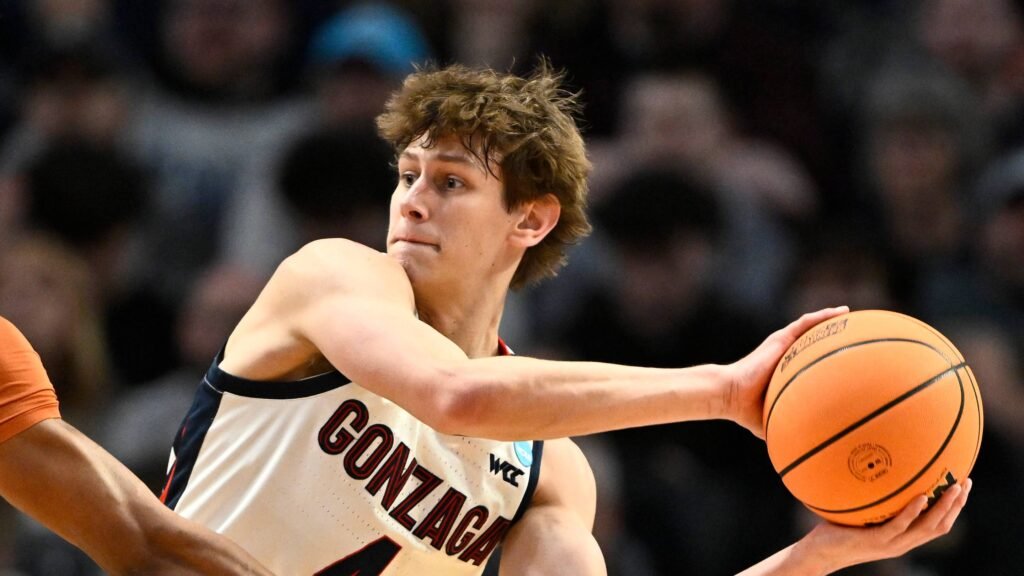
While Fogle technically didn’t meet the Productive Young Athlete Query since he only played 35.7% of his team’s minutes this past season, his impact met the same threshold as the eleven players above.
Scouting Report
While Fogle pops as a prospect to look into based on his impressive analytical profile, Fogle has more importantly shown real potential as an NBA prospect on the court. The 6-foot-7 sophomore guard is an impressive driver for his size, can handle the ball, and was a solid shooter despite limited attempts.
Additionally, his potential as an off-ball defender also stands out on film, as his awareness of passing lanes, timing on contests, and understanding of rotations helped him garner a 2.4 steal percentage and 3.4 block percentage last season. Lastly, the former AZ Compass wing showed flashes of connective passing, off-the-dribble shooting, impactful offensive reboudning, and on-ball defense last season as well.
Fogle scored 20.7 points per 40 minutes and was efficient as a freshman, finishing 67.9% of his 84 rim attempts, 41.8% of his 67 non-rim two-point attempts, 35% of his 40 three-point attempts, and 72.3% of his 65 free throw attempts. His impact as an offensive rebounder also showed up in the advanced stat sheet, recording an 8.4 offensive rebound percentage. Lastly, his connective passing led to a baseline 13.3 assist percentage last season.
There are a few areas to monitor this season for Davis Fogle. While he was an efficient shooter this past season, monitoring how his numbers hold up on higher volume will be key — he only had 40 total three point attempts and 4.6 three point attempts per 100 possessions last season. Additionally, his 72.3% free throw percentage increasing a few percentage points to 75% would be ideal to projecting his potential as a shooter. Lastly, other key areas include how well Fogle moves laterally defensively (doesn’t seem like a problem currently), how impactful his driving is (can he create rim pressure with his slashing or is he best attacking weakside defense and closeouts, etc?), and if he can utilize his driving to playmake for teammates.
Overall, Fogle’s analytical profile, impressive driving, off-ball defense, offensive rebounding, and baseline shooting/connective passing make the Gonzaga sophomore an intriguing NBA prospect to watch this season.
Film
 Add us as a preferred source on Google