






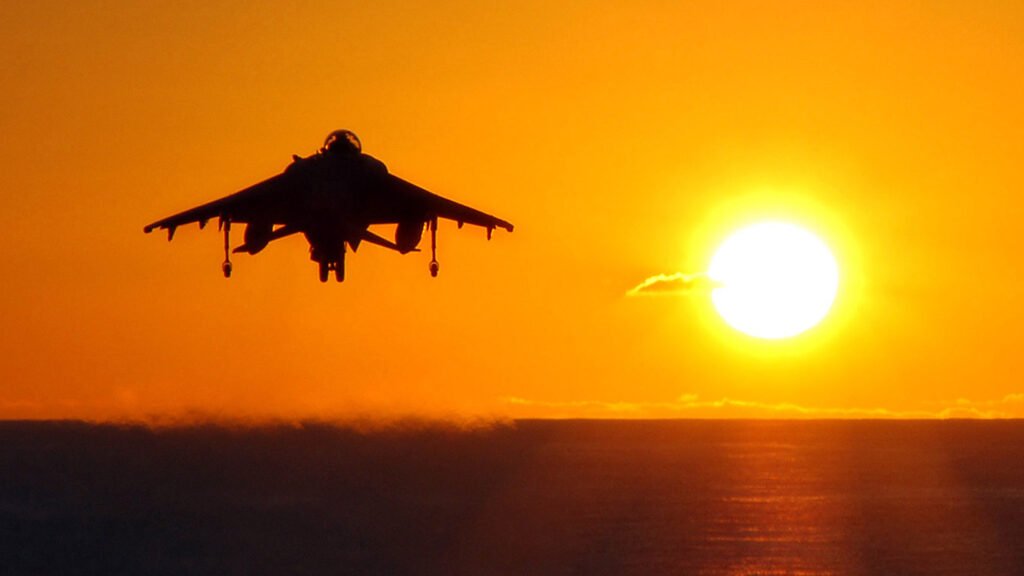
The unmistakable howl of the AV-8B Harrier II has been a soundtrack to U.S. Marine Corps aviation for more than four decades. From the deserts of the Middle East and Afghanistan to the decks of amphibious assault ships at sea, the aircraft’s ability to take off from short runways, operate from austere forward bases, and land vertically made it one of the most distinctive combat aircraft ever to wear American markings. Before then, its predecessor, the first-generation AV-8A Harrier, had pioneered the ‘jump jet’ in U.S. service, after entering Marine Corps service in 1971.
Now, that illustrious era has come to an end.
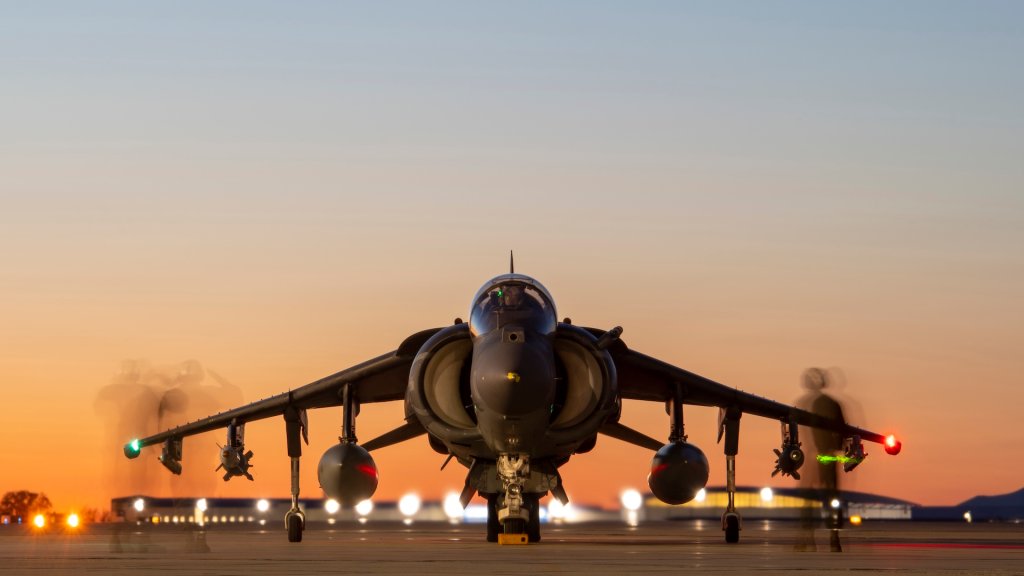
In a ceremony today, the Marine Corps said its official farewell to the AV-8B when its final operational Harrier II squadron, Marine Attack Squadron 223 (VMA-223), known as the “Bulldogs,” marked the retirement of the aircraft at Marine Corps Air Station Cherry Point, North Carolina.
The event closes a remarkable chapter in Marine aviation history. The Harrier’s departure marks more than the retirement of an aircraft; it represents the conclusion of a concept that shaped Marine air power for generations and helped define the Corps’ expeditionary character.
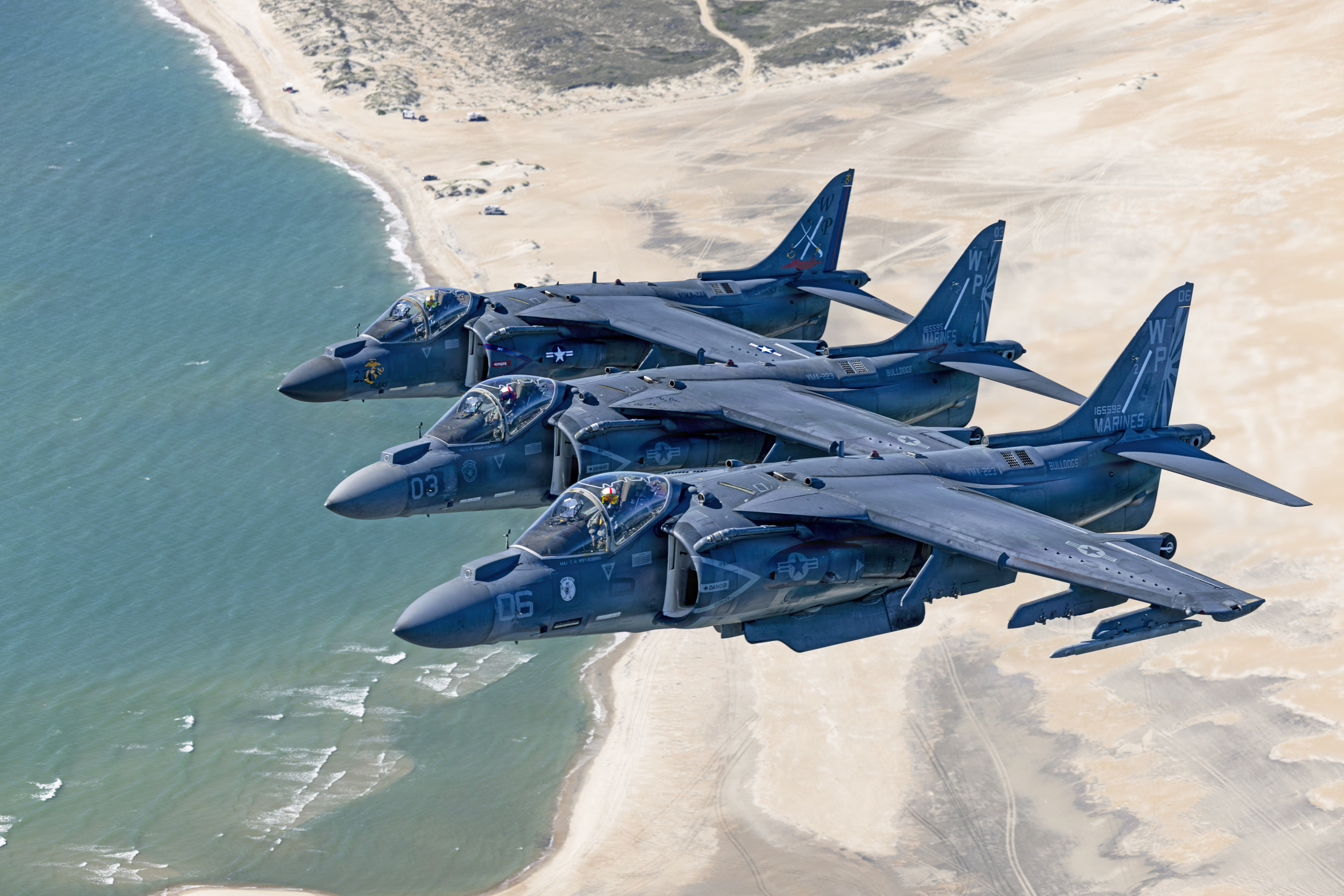
The Harrier was more than just another attack jet. It was the embodiment of the Marine Corps’ longstanding determination to bring airpower wherever Marines fought, regardless of whether a conventional airfield existed.
The Harrier’s story began long before the AV-8 entered U.S. military service. Derived from the British Hawker Siddeley Harrier jump jet, the aircraft was built around a revolutionary concept: vertical and short takeoff and landing, or V/STOL. Using swiveling engine nozzles, the aircraft could launch from improvised sites, roads, damaged airfields, and the decks of even relatively small ships. During the Cold War, when planners feared that traditional runways would be among the first targets destroyed in a major conflict, the concept had obvious appeal, but it was only the Harrier that saw real success as a V/STOL combat jet.
The Marine Corps embraced the idea early on. While the first-generation AV-8A proved the concept, the AV-8B Harrier II transformed it into a truly capable battlefield strike aircraft. The AV-8B featured a larger composite wing, improved performance, greater payload capacity, and significantly enhanced avionics. Later upgrades introduced night-attack capabilities and radar-equipped AV-8B Plus variants, keeping the aircraft relevant well into the 21st century. In recent years, all the Marine single-seaters still in service were ‘radar birds’ equipped with the AN/APG-65 radar that was ported over second-hand from F/A-18A/B Hornets and which conferred a significant air-to-air capability.
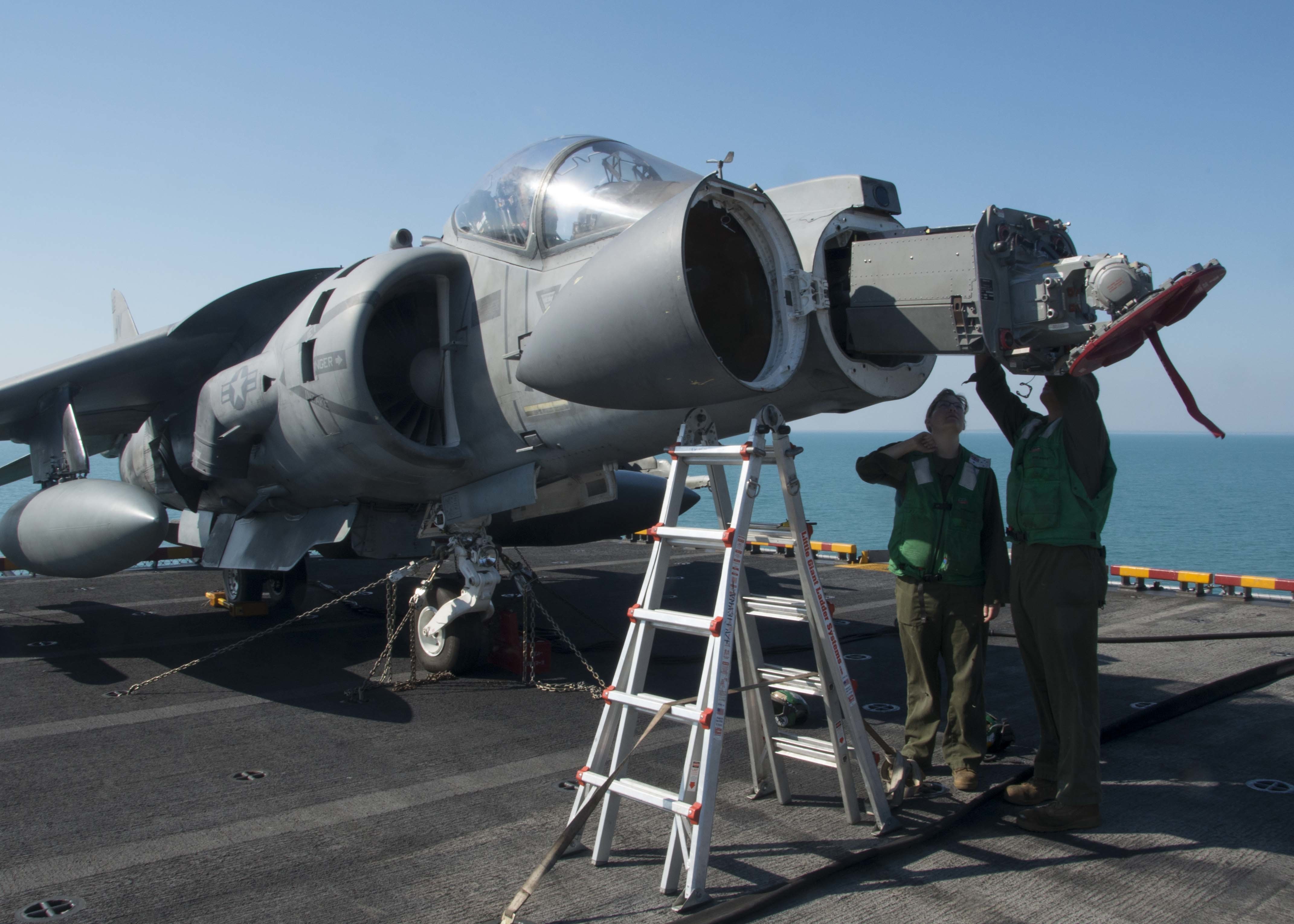
What made the Harrier exceptional was not simply its ability to hover. Its real value lay in its flexibility. Marine commanders could position Harriers close to frontline forces, reducing response times and increasing the effectiveness of close air support missions. The aircraft became a natural fit for Marine Expeditionary Units operating from amphibious assault ships, where its unique capabilities allowed fixed-wing tactical aviation to accompany Marines far from traditional airfields or aircraft carriers.
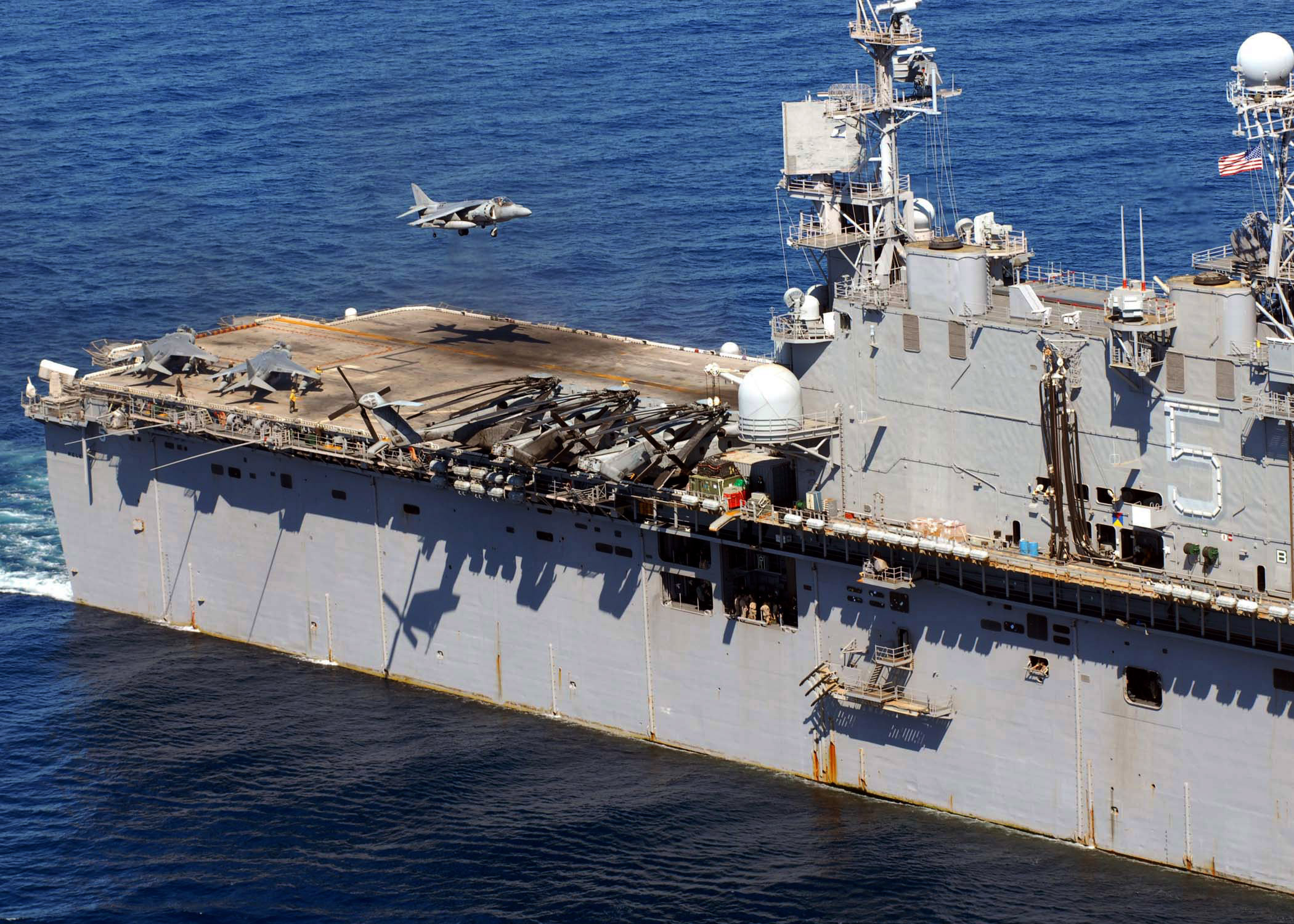
The Harrier quickly earned its combat credentials.
During Operation Desert Storm in 1991, Marine Harriers flew thousands of sorties in support of coalition ground forces. The aircraft demonstrated its ability to sustain a high operational tempo while flying in demanding conditions. In the decades that followed, Harriers participated in virtually every major Marine Corps combat operation, including missions over the Balkans, Afghanistan, Iraq, Libya, and against ISIS.
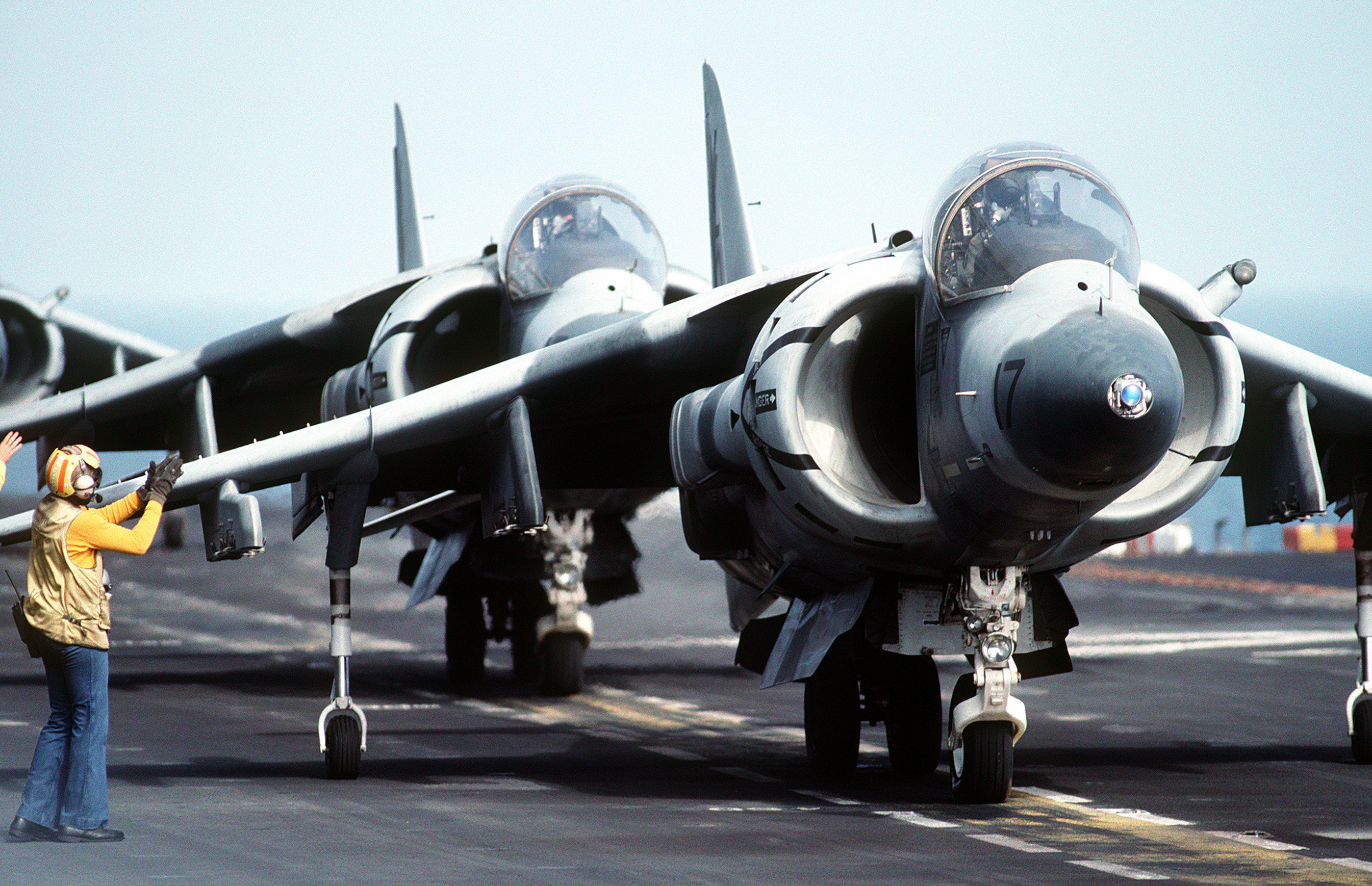
The post-9/11 period of relentless operations arguably became the Harrier’s defining period. The AV-8B was a natural fit for counterinsurgency warfare. Equipped with advanced targeting pods and precision-guided munitions, Marine Harriers became a common sight over Iraq and Afghanistan, where their ability to remain close to ground forces made them particularly valuable.
Yet even as the Harrier continued proving its worth in combat, its future was becoming increasingly uncertain.
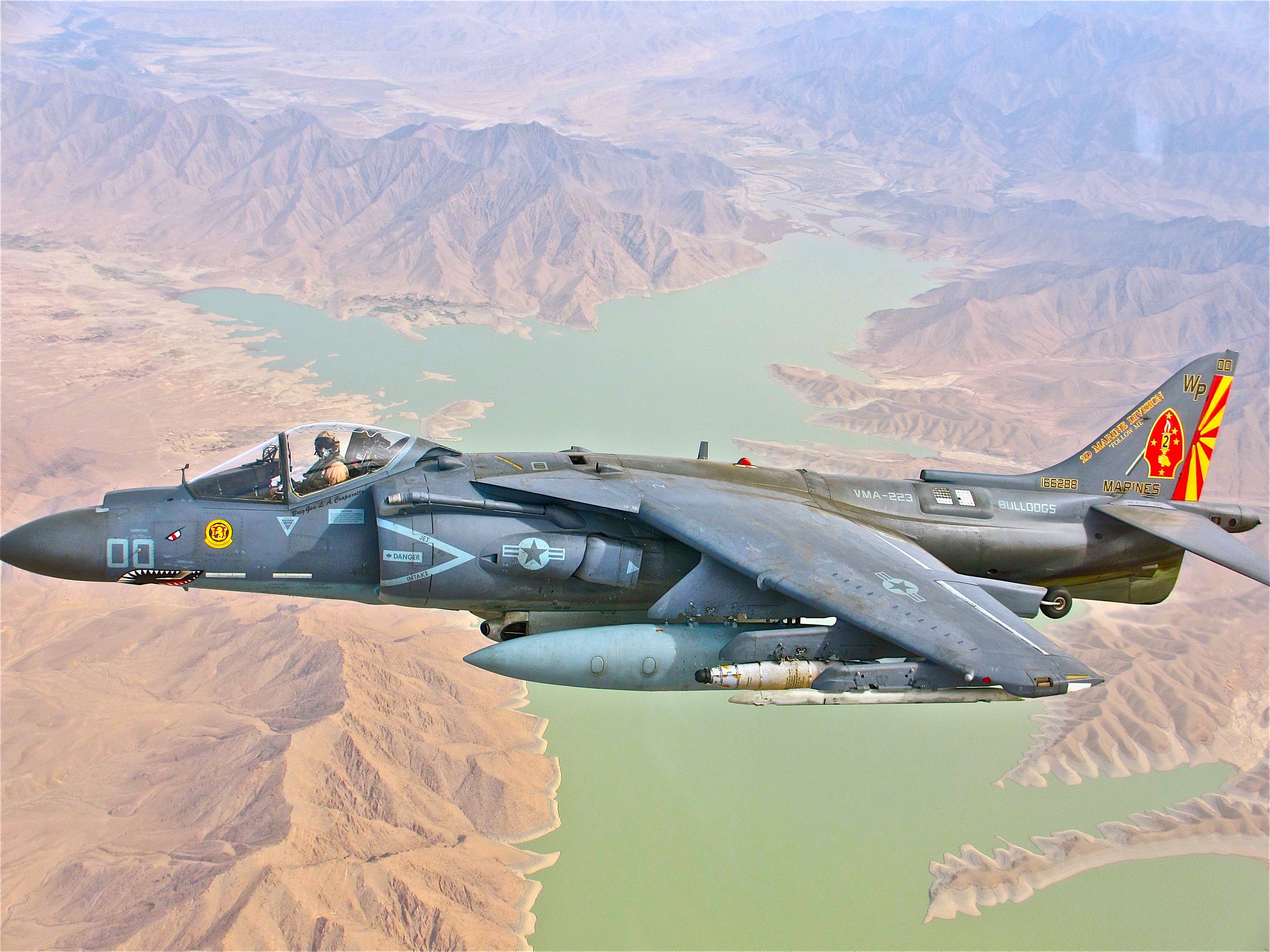
The aircraft’s age, maintenance demands, and limited growth potential eventually caught up with it. The jet was also notably demanding on its pilots, requiring a unique training syllabus to operate safely and efficiently.
Looking toward the demands of future potential conflicts against sophisticated adversaries, Marine aviation planners concluded that its next jump jet would require stealth, advanced sensors, networked warfare capabilities, and greater overall survivability than a fourth-generation attack aircraft could provide.
The answer was the F-35B Lightning II.
Like the Harrier, the F-35B possesses short takeoff and vertical landing capability. Unlike the Harrier, however, it combines that flexibility with stealth technology, sensor fusion, powerful electronic warfare systems, and the ability to operate as an intelligence-gathering node across the battlespace. For Marine aviation leaders, the F-35B offered a path to preserve the expeditionary advantages pioneered by the Harrier while dramatically expanding combat capability. You can read more about the changes the F-35B is bringing to Marine Corps tactical aviation here and here, as well as on-scene reporting of its operations from an improvised forward arming and refueling point, here.
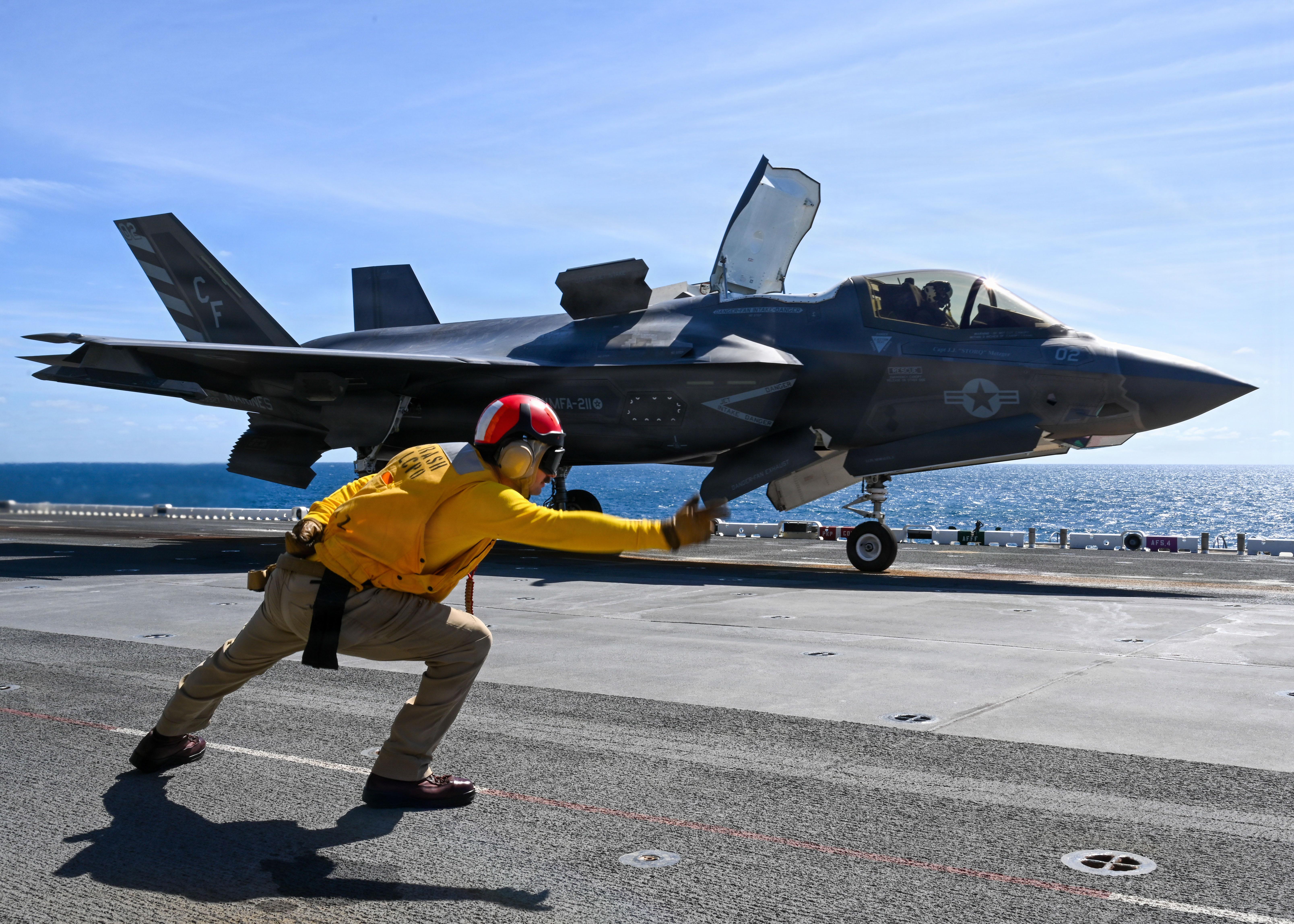
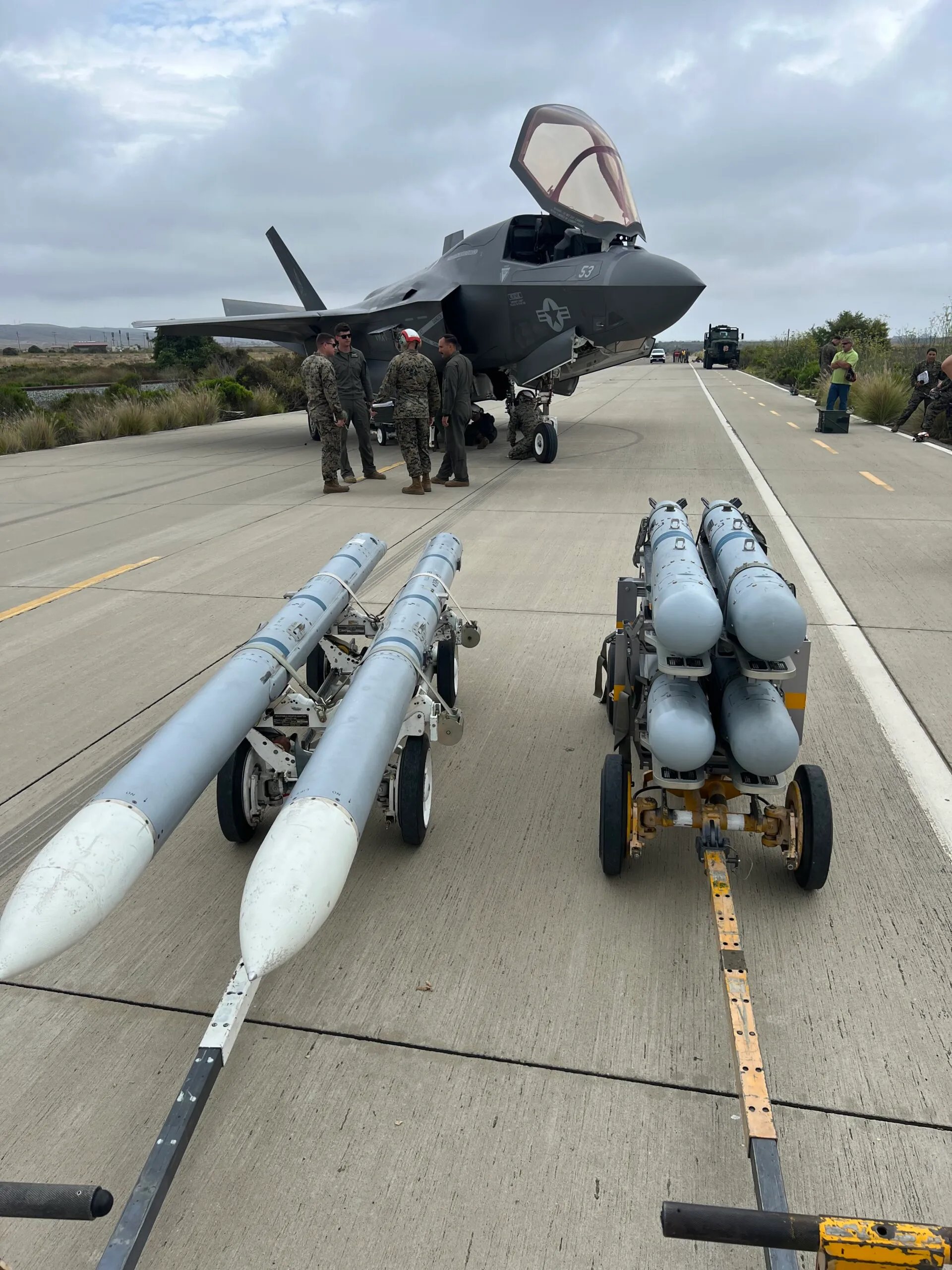
Notably, however, the service is also procuring F-35C versions that can operate from big-deck aircraft carriers, as well as land bases.
One by one, Marine Harrier squadrons began converting to the F-35B. Aircraft were retired, maintainers retrained, and pilots transitioned to the new platform. The process accelerated as the Marine Corps pursued broader modernization efforts focused on preparing for future conflicts, particularly in the Indo-Pacific region.
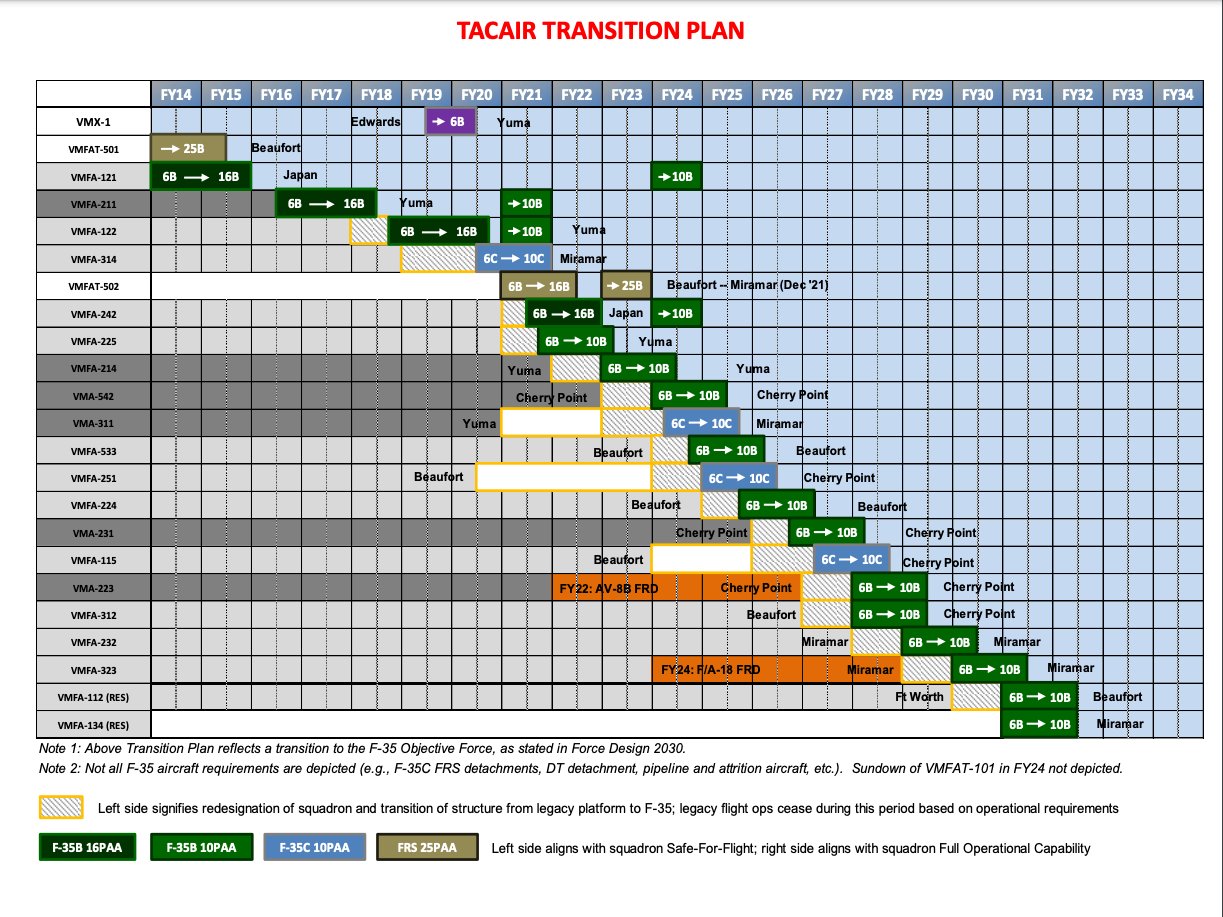
The signs of the Harrier’s approaching retirement became increasingly visible. In 2024, the final two Marine pilots completed AV-8B qualification training, becoming the last aviators ever designated as Harrier pilots by the Corps. Their graduation marked the beginning of the end for the ‘Flying Leatherneck’ Harrier community.
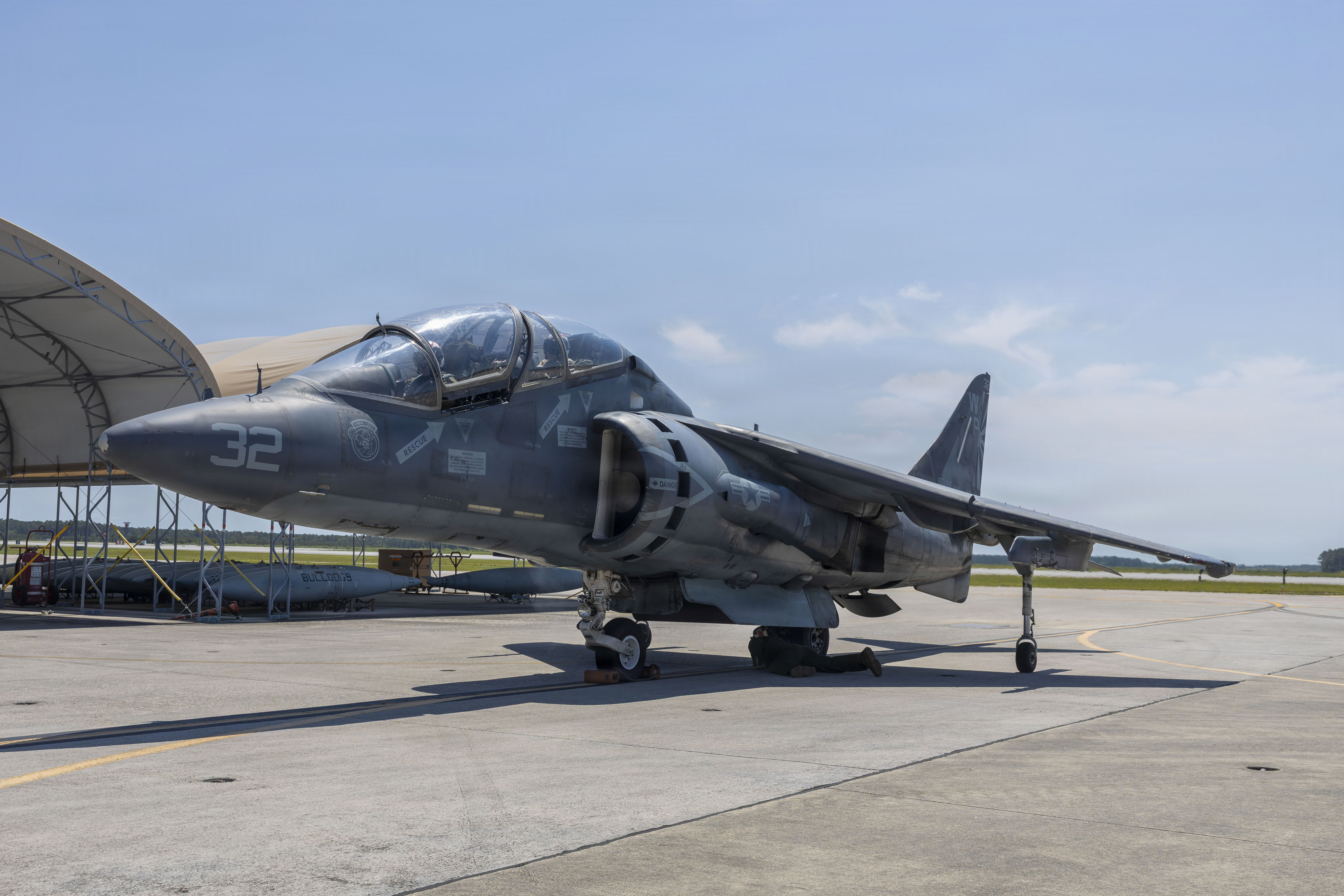
The final operational chapter belonged to VMA-223, which carried the Harrier banner to the very end. Their deployment aboard the amphibious assault ship USS Iwo Jima (LHD-7) represented the last operational deployment of Marine Corps Harriers.
As part of the Iwo Jima Amphibious Ready Group (ARG), the 22nd Marine Expeditionary Unit and its Harriers were part of Operation Southern Spear, the U.S. strikes on boats suspected of carrying illicit narcotics in the Caribbean. The Iwo Jima ARG was also in the region for the U.S. operation to capture Venezuelan President Nicolás Maduro, earlier this year.
When the squadron completed its mission and the final aircraft returned home, the countdown to retirement entered its final phase.
For the Marines who flew and maintained the aircraft, the retirement is bittersweet.
The Harrier demanded respect. Its unique flight characteristics and vertical landing operations required exceptional skill from pilots. Maintainers often worked tirelessly to keep aging aircraft mission-ready. Yet those challenges helped create a close-knit community built around a platform unlike any other in American service.
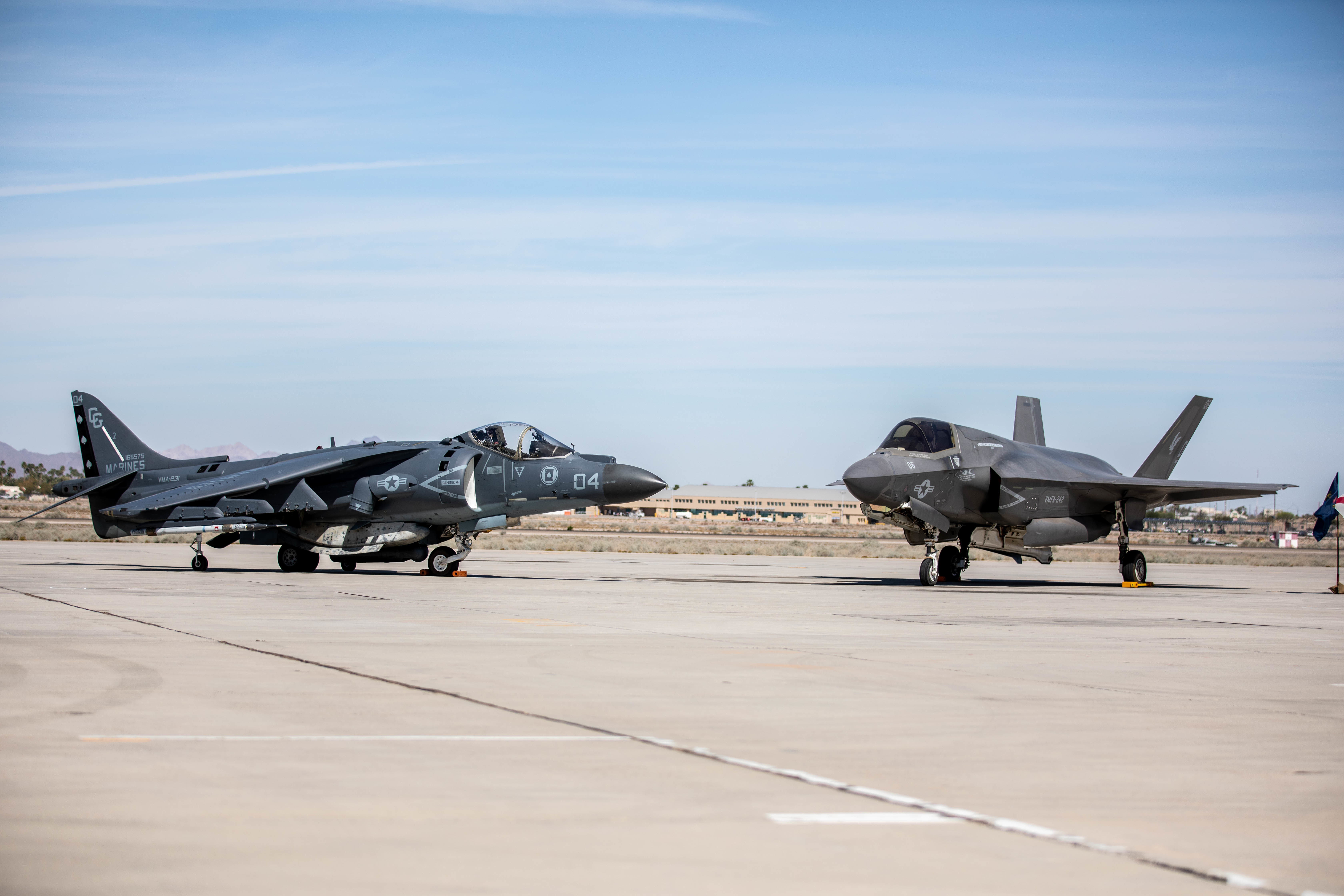
In proving that fixed-wing tactical aviation can operate from challenging locales, the Marine Harrier continued a concept of operations that the service had pioneered in the Pacific in World War II. It gave Marine commanders unprecedented flexibility and reinforced the Corps’ expeditionary identity. Long before concepts such as distributed operations and expeditionary advanced bases became buzzwords, the Harrier proved that combat aircraft could operate from unconventional locations and support dispersed forces.
As the Harrier’s designated successor, it is fitting that the F-35B preserves the ability to operate from amphibious ships and austere locations while adding capabilities unimaginable when the AV-8B first entered service.
Still, there will never be another aircraft quite like the AV-8B, especially as far as charisma is concerned, and the type was a firm airshow favourite.
As the final Marine Corps Harriers make their last flights, they leave behind an enduring influence on Marine aviation doctrine and expeditionary warfare. While the United Kingdom gave up its Harrier IIs in a rushed retirement that you can read more about here, the AV-8B remains in frontline service in smaller numbers with Italy and Spain. It remains to be seen if a customer for former Marine Corps Harriers will come forward, but these aircraft remain capable and offer unique capabilities, something we have addressed in the past.
The Marine Corps jump jet era is over. But the impact of the Harrier, and the men and women who flew and maintained it, will continue to shape Marine aviation for years to come.
Contact the author: thomas@thewarzone.com
The post Marines’ AV-8 Harrier Jump Jet Takes Its Final Bow appeared first on The War Zone.