






One of the enduring gifts of “Monty Python and the Holy Grail” is that 50 years later, people still quote it.
My favorite scene involves the Black Knight.
King Arthur encounters him guarding a bridge, and a duel follows. The fight goes badly for the knight. Arthur lops off one arm, then the other. When the knight keeps fighting, Arthur removes both legs as well. Reduced to a torso lying in the dirt, the knight somehow surveys the situation and announces, “All right, we’ll call it a draw.”
The older I get, the more convinced I become that much of human behavior can be explained by that scene. We possess a remarkable ability to keep arguing with reality long after reality has settled the matter.
And which of us has not, in some absurd situation, said, “It’s just a flesh wound”?
Reality has a way of reminding us that some things we carry are, indeed, more than a flesh wound.
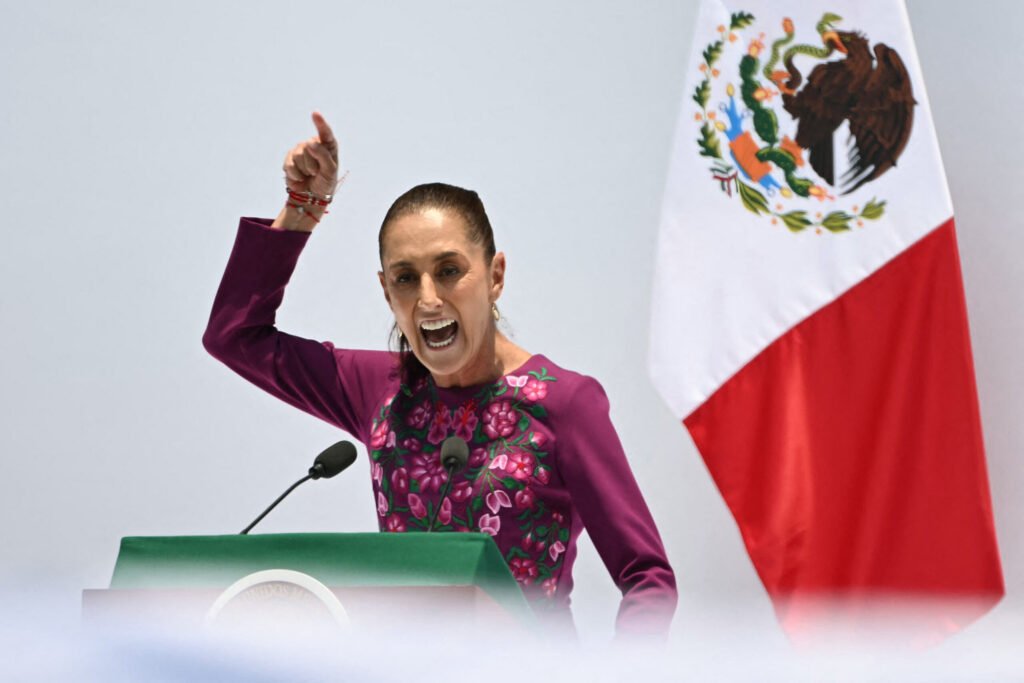
That thought crossed my mind recently while reading statements coming out of Iran. Whatever one thinks about the conflict itself, leaders standing amid rubble and declaring victory have a distinctly Monty Python quality. At a certain point, the rhetoric sounds less like confidence and more like the Black Knight insisting he still has a chance.
But Iran does not have a monopoly on reality rejection.
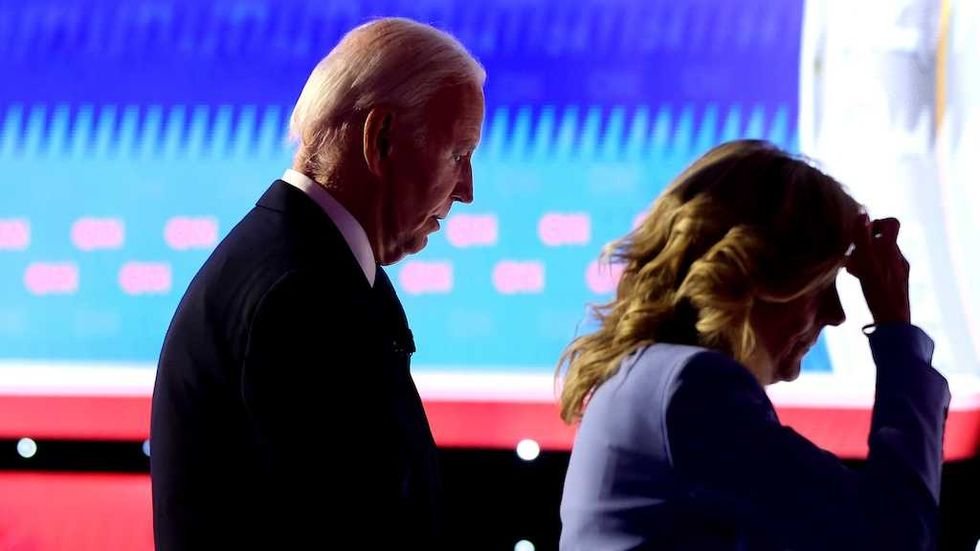
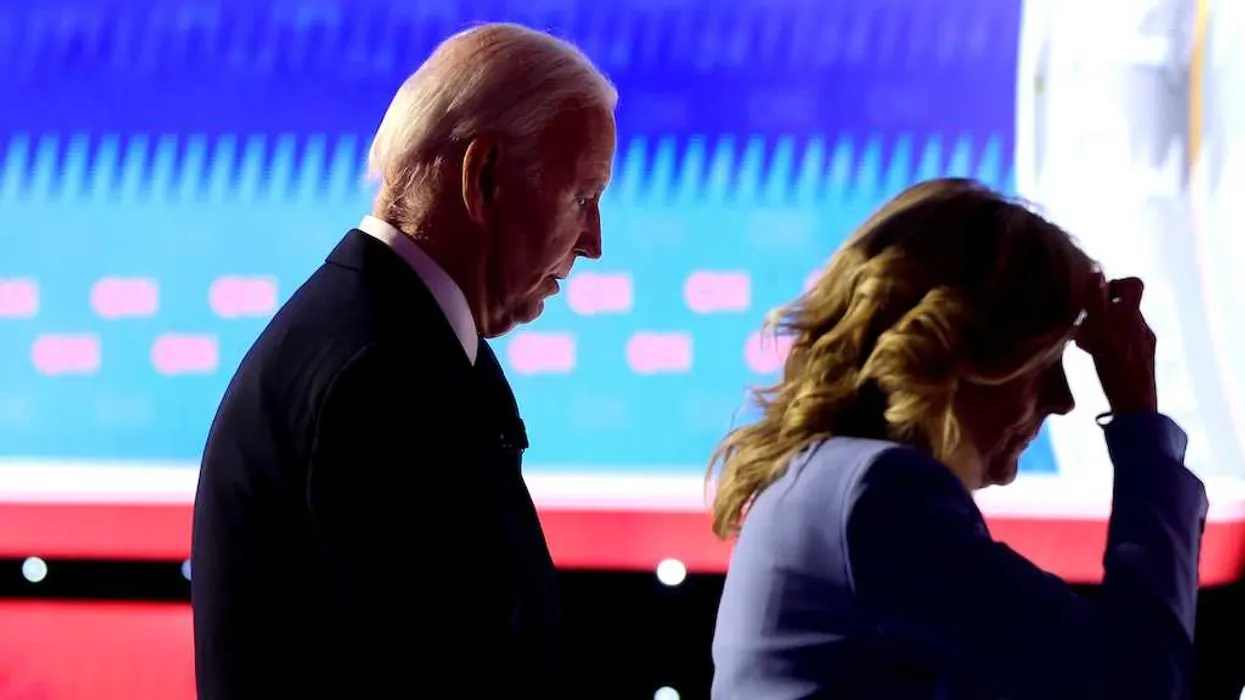
Recently, Jill Biden said she feared her husband was having a stroke during his one and only 2024 presidential debate. She described watching him struggle on stage and wondering whether he was experiencing a stroke or some other medical emergency.
As a caregiver, I am apparently behind the times. For 40 years, I foolishly assumed that if one suspects a spouse is having a stroke, the next step involves medical attention. Evidently, the new protocol may include chants of “Four more years!” at the after-debate rally, followed by a late-night visit to Waffle House.
Medical science has made huge strides.
Someone’s Waffle House hash browns were clearly scattered and smothered. Whether they were covered as well remains an open question.
As the Black Knight might say, it’s only a flesh wound.
Like Jill Biden, I am not a licensed physician. But watching her reminded me that I know enough to recognize when someone may need urgent care — or at least a cranial specialist.
Yet while I laugh at the Black Knight, sigh at Iran, and look with exasperation at Jill Biden — and at the reporter who let that remark pass without serious follow-up — I have to admit that defiance in the face of reality is not limited to them. Sometimes it appears in my own bathroom mirror.
The absurdity of these public examples points to a common problem in the human condition. Most of us have our own version of the same speech. We insist the exhaustion is not that bad, the debt remains manageable, the resentment is justified, the addiction is under control, or the diagnosis must be wrong.
RELATED: Caregivers should not have to lie to prove compassion
 Samuel Corum/Getty Images
Every day, I talk with family caregivers who insist things are fine while staggering under impossible burdens.
We twist ourselves into pretzels defending positions reality abandoned long ago. We can mock Iran’s leaders and Jill Biden. We can laugh at the Black Knight. But are we prepared to admit that we often travel the same road, just not as far down it?
The Serenity Prayer asks for the wisdom to know the difference between what can be changed and what cannot. Most of us would prefer a third option: the ability to negotiate with reality until it agrees to call the whole thing a draw.
Sooner or later, reality delivers its verdict and waits.
The question is whether we will acknowledge it.
The Black Knight never did. Iran’s leaders and Jill Biden seem intent on following him into absurdity. That is why we laugh at the knight and deride the others.
But perhaps we should stop laughing long enough to see ourselves.
Reality has a way of reminding us that some things we carry are, indeed, more than a flesh wound.