



3 min read
Curiosity Blog, Sols 4947-4953: Gale Crater Then and Now
Written by Alex Innanen, Atmospheric Scientist at York University, Toronto
Earth planning date: Friday, July 10, 2026
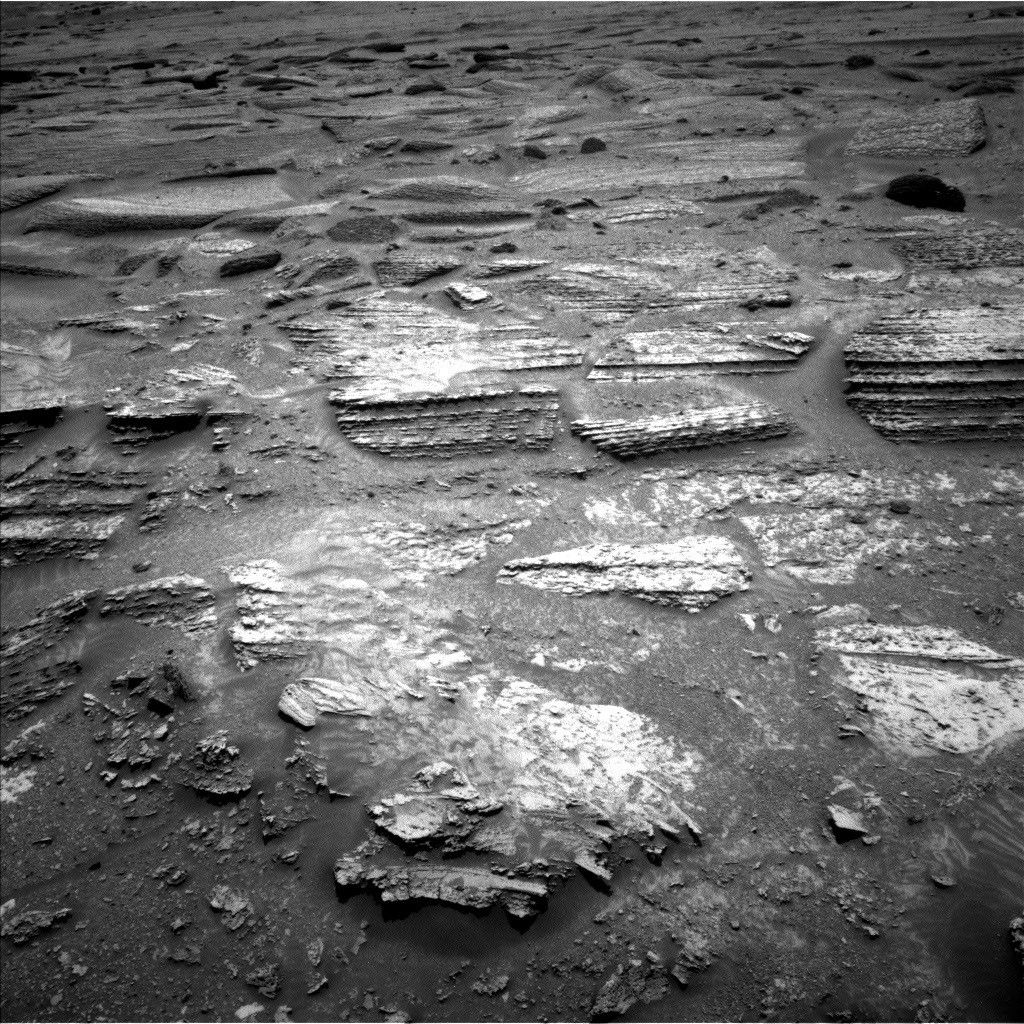
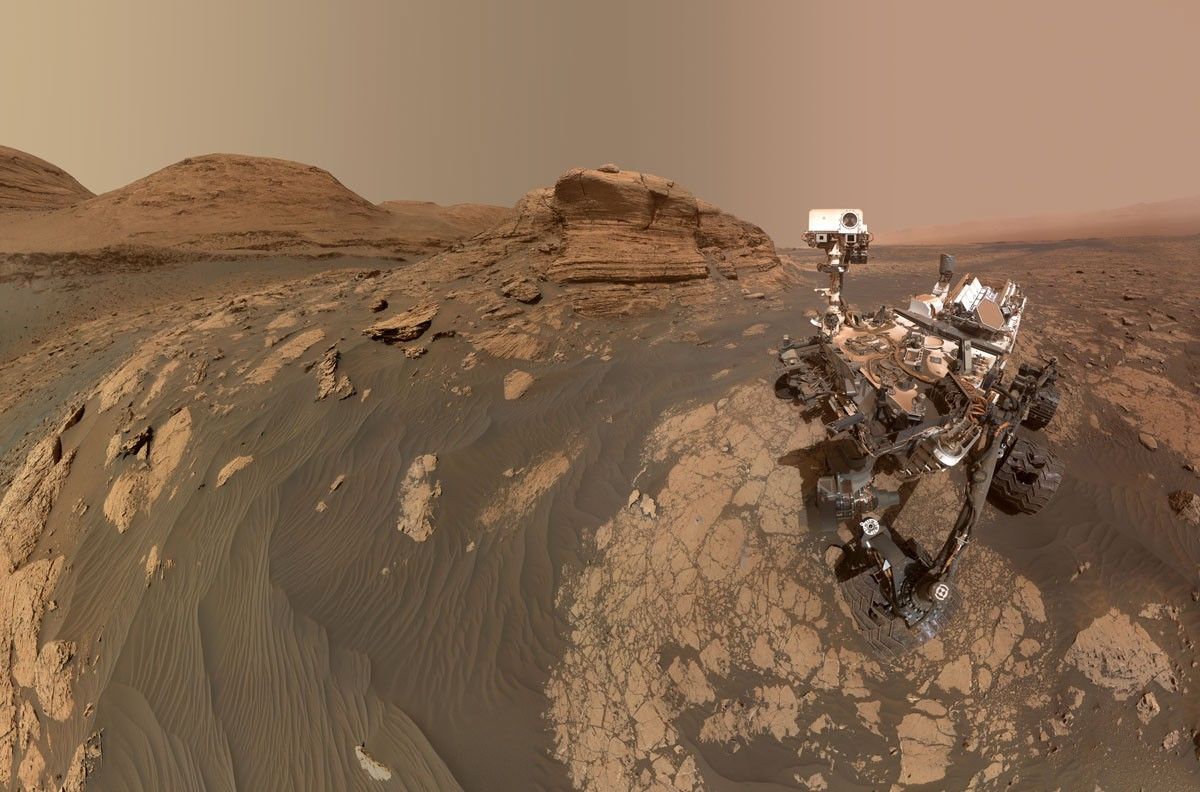
Curiosity had a successful long weekend and came into this week ready to explore some more. We’ve been moving fairly rapidly through different mapped “units,” or distinct geological areas of interest, visiting a different one at each of our three stops this week. The terrain all around us can give us clues about the past environment of Gale Crater, and geologists can look at the different compositions and appearances of what may look like ordinary rocks to the rest of us, to infer how it was laid down and altered by its environment in the distant past.
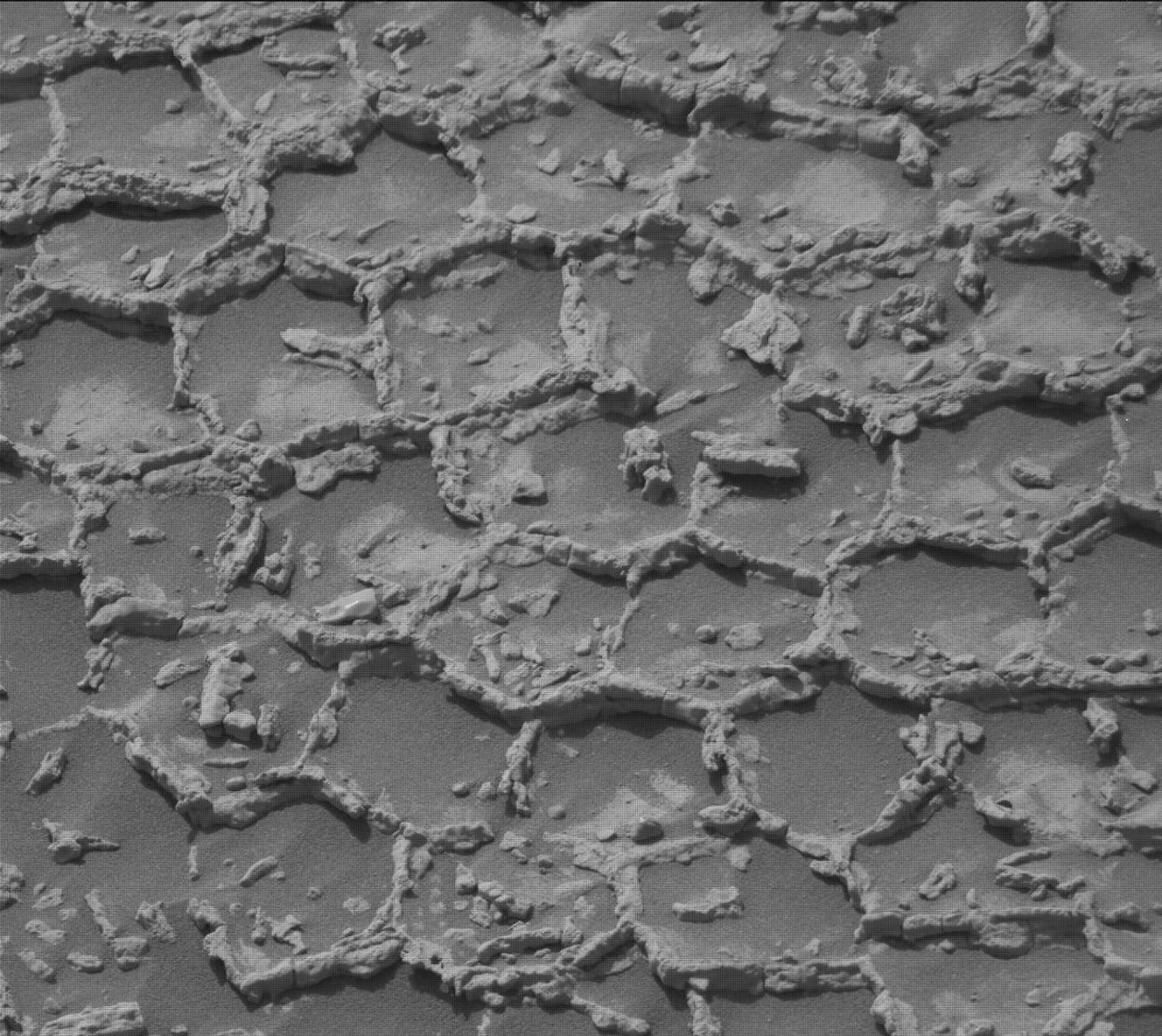
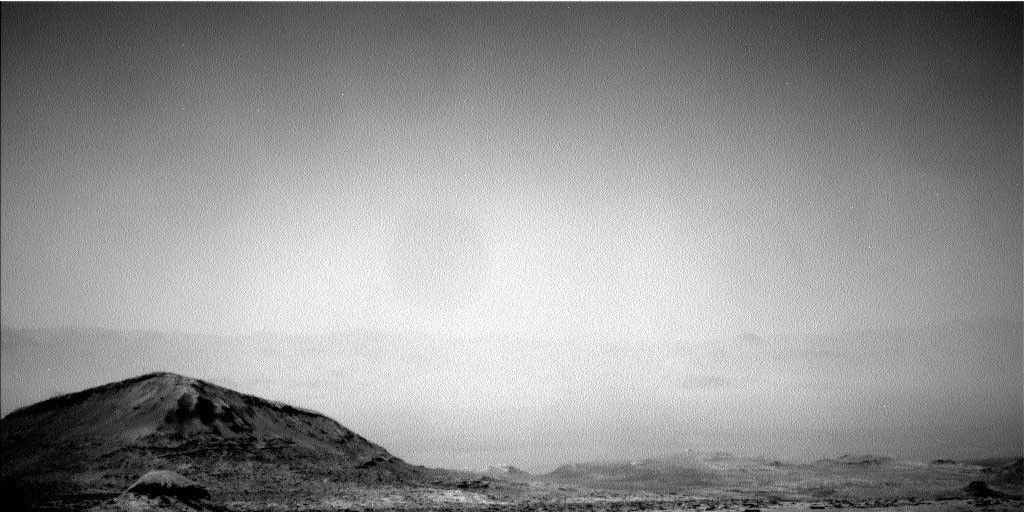
All three of our stops this week included contact science with MAHLI and APXS, as well as compositional analyses with the ChemCam LIBS instrument. Mastcam and ChemCam also continued to study the broader context of this area with medium and longer-distance imaging of the buttes and other formations we see around us. Among the different layers and textures of bedrock are features that formed from some past erosion and we looked at different examples of these through the week, as well.
While every rock Curiosity chooses to examine is special (that’s why we give them all names!), two in particular stood out this week. Monday’s and Wednesday’s workspaces both contained rocks that were darker than the ones around them, so they may have been brought in from elsewhere, or could even be meteorites. To help figure out their histories, we turned LIBS on them to look at their compositions.
Of course we are not only interested in peering into Mars’ past — we also care about its present environment. As we approach the end of the Mars year, moving through summer in Gale Crater and looking towards autumn, the atmosphere almost seems to calm. The turn of the Mars year sees us transition from the dusty season back into the cloudy season, so we’re keeping a keen eye on both dust and clouds. This time of year is the last gasp of the dusty season, what we call the “C” storm season, when mid-size, regional dust storms can form. So we’re keeping an eye out for signs of these with both Mastcam and Navcam. Aside from our dust and cloud imaging, we — as always — have our trusty suite of REMS instruments adding to our daily meteorological record of Gale Crater with regular measurements.