



The Trump administration’s push to examine alleged political weaponization inside the Justice Department is not merely about looking backward. For many patriotic Americans, it is about people whose lives were turned upside down because the government decided to investigate them.
That is where the conversation often gets lost.
Justice isn’t measured only by what happens in the courtroom. It’s also measured by what it costs an innocent person to get there.
Everyone focuses on the indictment, the headlines, and the courtroom drama. Far less attention goes to what comes before a verdict. It does not take a conviction to ruin someone’s life. Sometimes an accusation is enough.
Federal and congressional investigations are expensive. Responding to a subpoena is expensive. Hiring lawyers to review documents, prepare testimony, answer investigators, and defend your reputation can wipe out a lifetime of savings long before a judge or jury weighs the facts.
Winning years later does not restore your bank account. It does not rebuild your business. It does not give you back the years spent living under a cloud.
That reality has become increasingly familiar in Washington. During Donald Trump’s first term, congressional investigations became a defining feature of his presidency. House committees launched a steady stream of oversight inquiries into the administration, with then-House Judiciary Committee Chairman Jerry Nadler (D-N.Y.) leading many of the most high-profile efforts.
Democrats argued they were fulfilling Congress’ constitutional oversight responsibilities. Republicans saw something else: a strategy to keep the administration tied up in investigations while forcing witnesses, aides, and associates to spend enormous sums defending themselves.
Whatever your politics, one fact remains undeniable. Every subpoena carries a price tag. Every interview requires lawyers. Every document request takes time. Every hearing pulls someone away from work, family, and ordinary life.
The financial toll rarely makes the evening news.
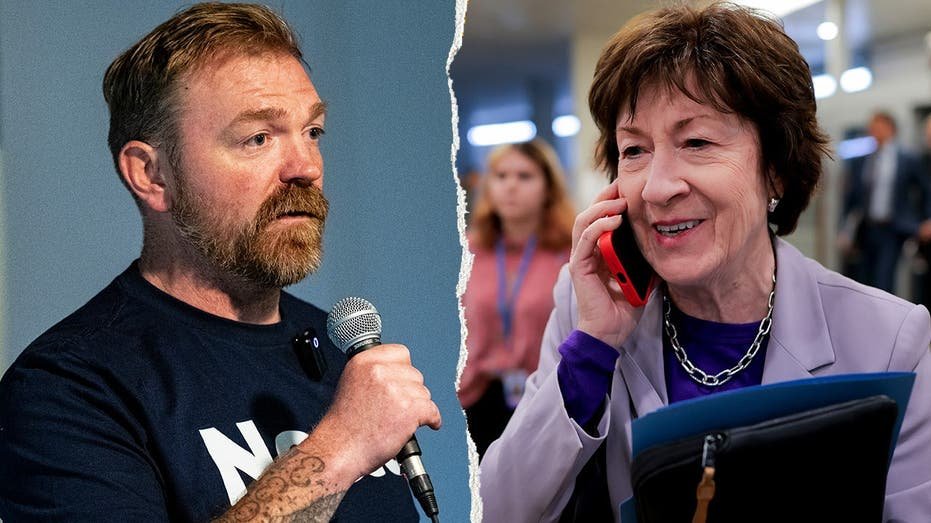
Former FBI Special Agent Mark Rossini recently offered a glimpse into that reality during a conversation with A.J. Rice on the “Dangerous Laughter” podcast. Rossini, who later received a presidential pardon after pleading to a misdemeanor in a case many conservatives see as part of the weaponization of the Justice Department under Joe Biden, focused less on the legal outcome than on the years leading up to it.
“What a waste of time,” he said, describing what he called “three and a half, four years of this Kafkaesque experience.”
Then came the part that should resonate with anyone who has ever faced the weight of the federal government.
“No one will hire you. You get no phone calls. You lose your income. It’s just debilitating.”
Rossini also encouraged people to read the court filings instead of relying solely on commentary surrounding the case, arguing that public opinion too often forms before anyone examines the underlying record.
RELATED: The right needs a public defender network for lawfare
His experience does not settle the whole debate, but it illustrates something too often overlooked: The process itself can become the punishment.
That is why discussions about alleged Justice Department weaponization have struck such a nerve among many conservatives. They are not simply asking whether every investigation was justified or unjustified. They are asking a more fundamental question: What happens when the immense power of government collides with the life of an ordinary citizen?
Government has a duty to investigate credible allegations of wrongdoing. Congress has a constitutional responsibility to conduct oversight. Those powers are essential in a constitutional republic.
But those powers also demand restraint.
When investigations stretch on for years, legal bills climb into six or seven figures, careers disappear, and families absorb the emotional and financial burden, Americans have every right to ask whether the system has accounted for those costs.
That is what makes the current conversation about Justice Department reform more significant than another round of partisan finger-pointing. It raises a basic question of public trust: Can Americans have confidence that extraordinary government powers will be exercised fairly and consistently, regardless of politics?
By the time an investigation ends, the damage may already be done. A dismissed case does not erase years of legal fees. A pardon does not restore lost income. Favorable headlines at the end of the story do not undo the quiet suffering that came before it.
Justice isn’t measured only by what happens in the courtroom. It’s also measured by what it costs an innocent person to get there.