


WASHINGTON — The Justice Department has charged a Texas doctor in an $89 million healthcare fraud scheme, accusing him of billing insurers for medically unnecessary cardiovascular screening tests for college student-athletes and then rubber-stamping the results as normal without reviewing them.
Jason Finkelstein, 53, faces charges of healthcare fraud and conspiracy in what prosecutors describe as a yearslong scheme that preyed on the fears of athletes that they could die on playing fields or courts of sudden cardiac arrest.
Athletes with no preexisting conditions who were concerned about being cleared to compete were administered tests they did not need and, in one case, a patient whose results were falsely certified as normal later died after his significant heart problems were undetected, the indictment says.
The prosecution is among a series of cases that the Justice Department intends to highlight at a news conference Tuesday in announcing what it says are record results in a nationwide crackdown on healthcare fraud, a long-running federal law enforcement priority that the Trump administration over the last year has sought to emphasize.
The department says Finkelstein’s case, with allegations not only of unrendered services but also poor medical performance that put patients at risk, represents the type of sophisticated scheme prosecutors are striving to disrupt.
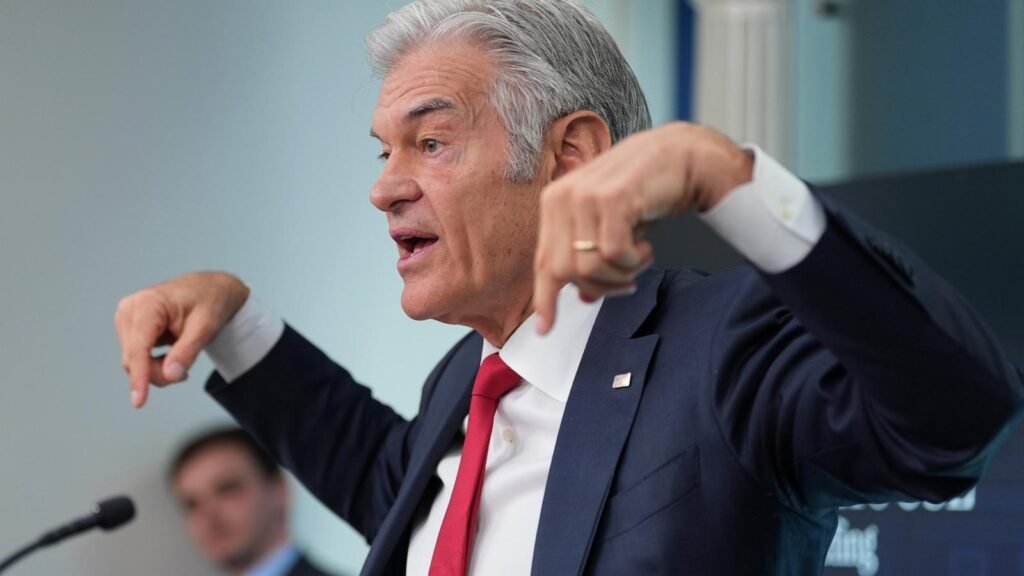
“The doctor’s alleged conduct, which ignored a textbook diagnosis of preventable cardiac death, is heinous,” Dr. Mehmet Oz, a trained cardiothoracic surgeon and head of the Centers for Medicare & Medicaid Services, said in a statement, adding that healthcare fraud “doesn’t just steal money, it can steal lives.”
A lawyer for Finkelstein, who pleaded not guilty during a brief court appearance in Florida on Monday, did not immediately return an email and phone message seeking comment.
The alleged fraud ran between 2019 and the end of last year and, prosecutors say, involved Finkelstein and a pair of unidentified co-conspirators at a Florida-based cardiovascular testing and treatment practice that he owned and operated.
Officials say the scheme had essentially two components, with Finkelstein and his company using what the indictment says were deceptive marketing tactics to offer free heart screens for students who did not need them and then certifying the results of the tests as normal without reviewing them — and even when they turned out to reveal potential problems.
The indictment quotes Finkelstein as telling an unnamed co-conspirator with whom he worked that “(t)hese kids could be high risk …(o)ne of them drops dead on a field, they’re coming after both of us.”
Finkelstein’s co-conspirators blasted out emails to athletic trainers at colleges and universities stating that the tests being offered could identify any life-threatening condition that could prevent the students from playing, and also offered kickbacks and other inducements to school officials to refer potential patients.
Insurance companies do not cover blanket cardiovascular testing but instead require a prior finding of a medical necessity. To avert that roadblock and secure reimbursement, prosecutors say, Finkelstein submitted to insurers phony diagnoses of conditions, such as elevated blood pressure and hypertension, that the athletes did not actually have.
His company relied on sonographers who lacked the requisite credentials to travel to college campuses to perform the tests, and because Finkelstein was licensed in the 48 contiguous states, he and his company were able to submit claims for patients across the country, the indictment says.
At the same time, prosecutors say, Finkelstein would certify cardiac test results as being normal without actually reviewing them. In one instance in 2024, according to the indictment, he signed off after roughly 11 seconds on approximately 63 test result images of one patient. The test results actually revealed multiple cardiac abnormalities and the patient later died, the indictment says.