



Sponsor Content: Defenders of Wildlife
Efforts to protect endangered and threatened species are more important than ever
(Photo: Brian Skerry)
Published June 24, 2026 07:56AM
Red Wolves are a uniquely American species. They live in the southeastern United States and are found nowhere else on Earth. They’re also a uniquely American story. Red Wolves were declared extinct in the wild in 1980, but thanks to the Endangered Species Act and an unprecedented reintroduction program, their population is slowly growing.
But the end of the story is not yet clear. Today, only an estimated 26 adult Red Wolves inhabit the landscape, and this fragile population, like the laws that support it, is under threat. The Trump administration is rapidly moving to implement sweeping rollbacks to some of our country’s bedrock wildlife regulations that would degrade habitat on public lands, undermine decades of recovery efforts, and accelerate the extinction crisis we face today.
What’s especially surprising about these attacks on wildlife is that the American public has not asked for them. It’s easy to point out the divisions in the United States today, but all the talk about polarization misses an essential truth: We agree on some things. Saving wildlife is one of them. The Endangered Species Act, for example, is both effective and popular: A whopping 84% of Americans support it.
The landmark legislation, which was passed in 1973, has a remarkable track record of success. In fact, the ESA is 99% effective. Nearly all species listed as endangered or threatened, including the bald eagle, blue whale, and peregrine falcon, have been saved from extinction. Hundreds more are on the path to recovery today. Despite this, the Trump administration is blatantly making interlocking decisions with dire implications for wildlife, habitats, and our shared American conservation values.
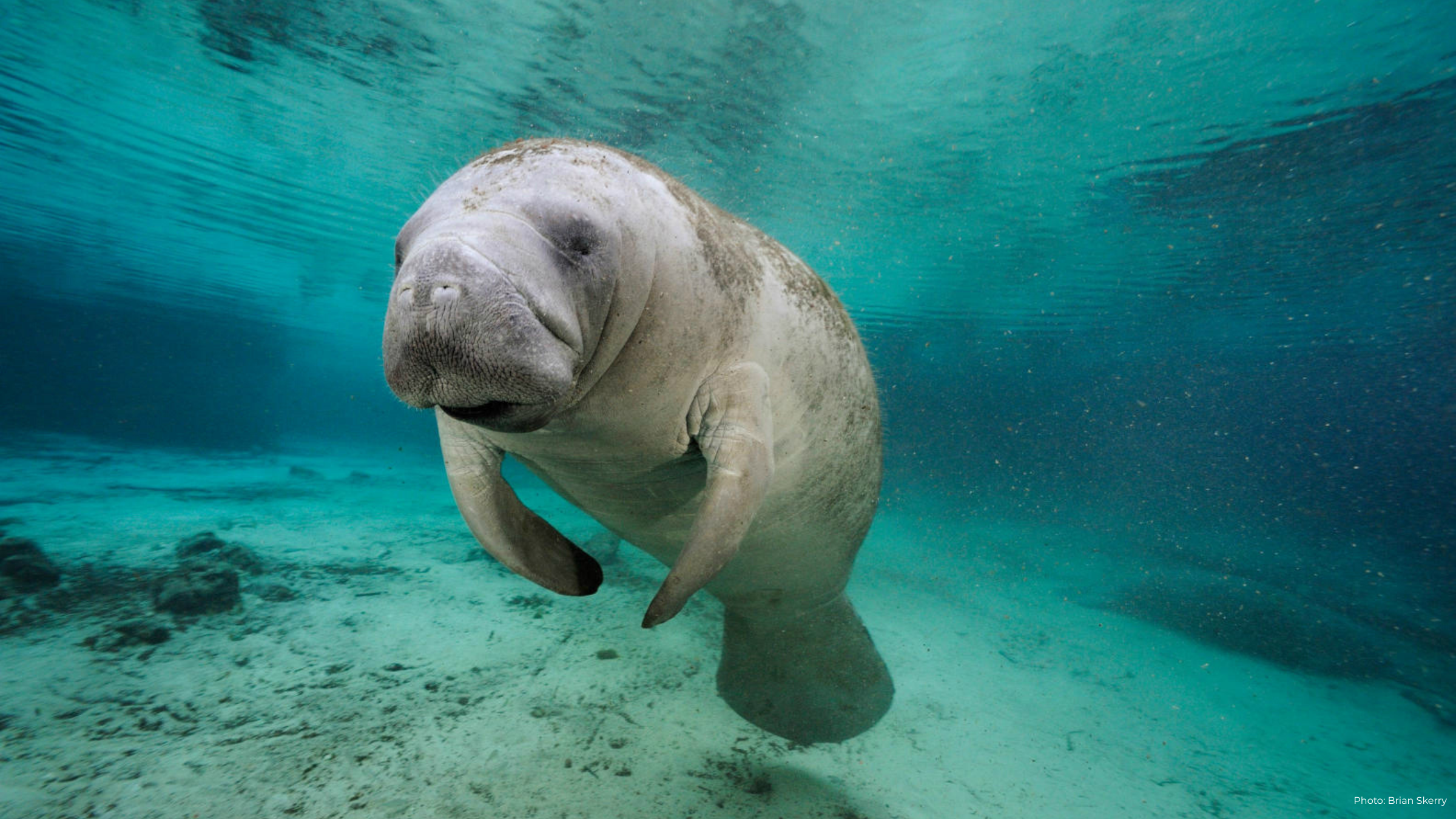
One of the most dangerous changes on the table is rescinding the Endangered Species Act’s regulatory definition of “harm.” This would eliminate the protections given to listed species from habitat destruction or modification, a leading cause of species loss today. This puts at risk and essentially gives a greenlight to develop, plow and pave the waterways, forests, deserts, prairies, and marshes that are home to iconic animals like the Florida manatee, North American wolverine, whooping crane, and many others. Additional proposed changes call for “sunsetting” all ESA regulations, weakening the ability to list species and protect them.
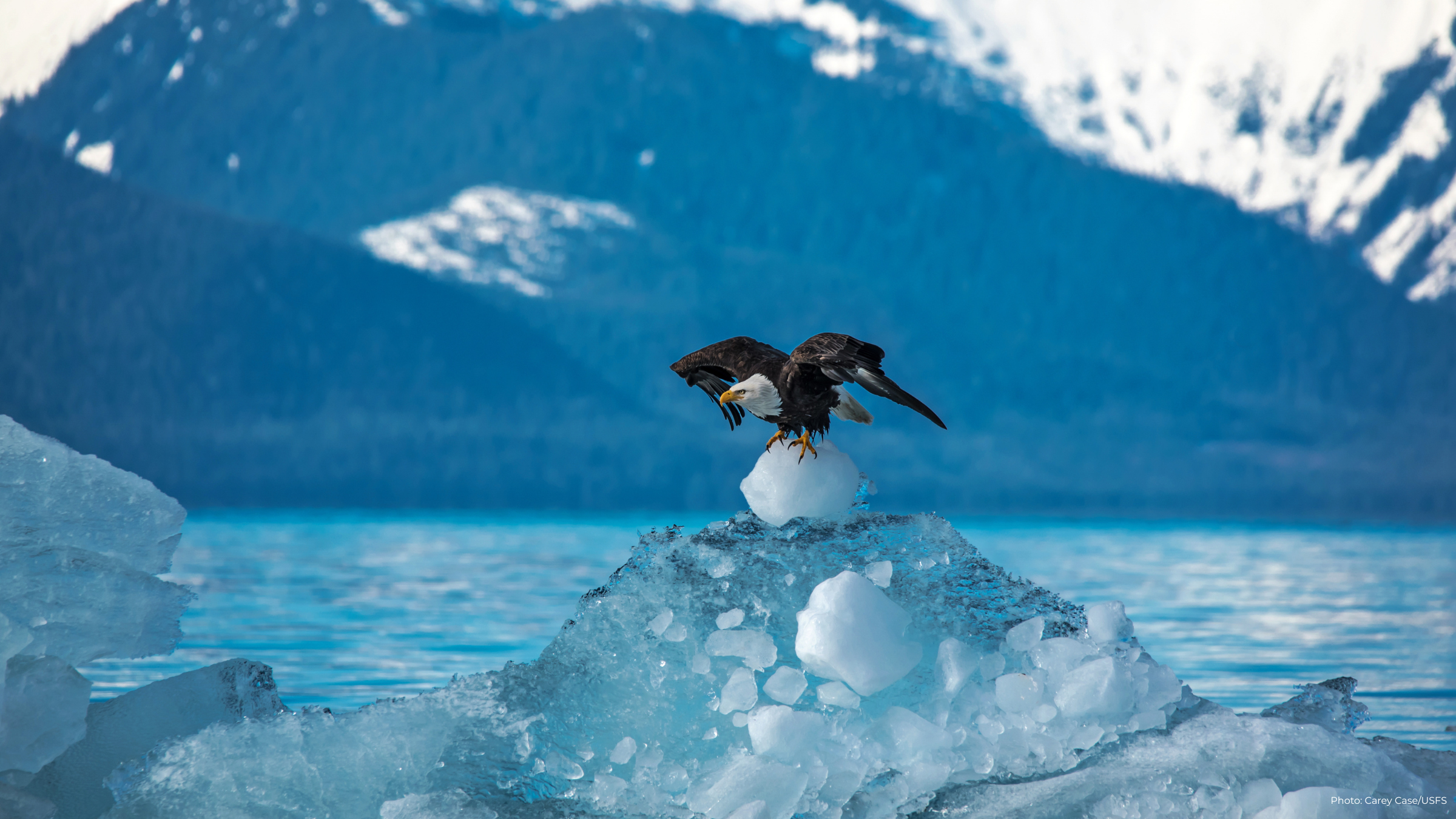
Bald EagleCarry Case/USFS
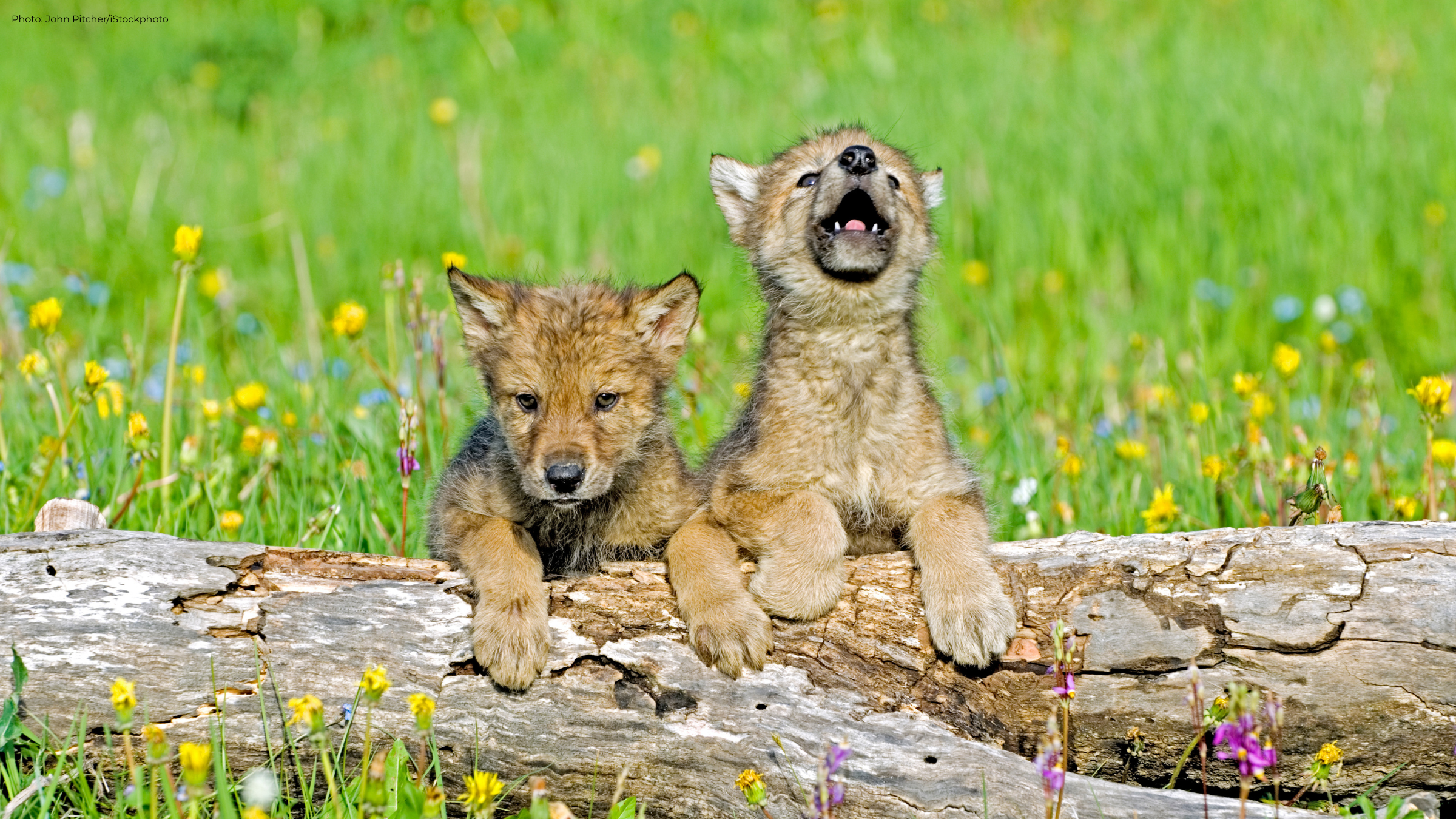
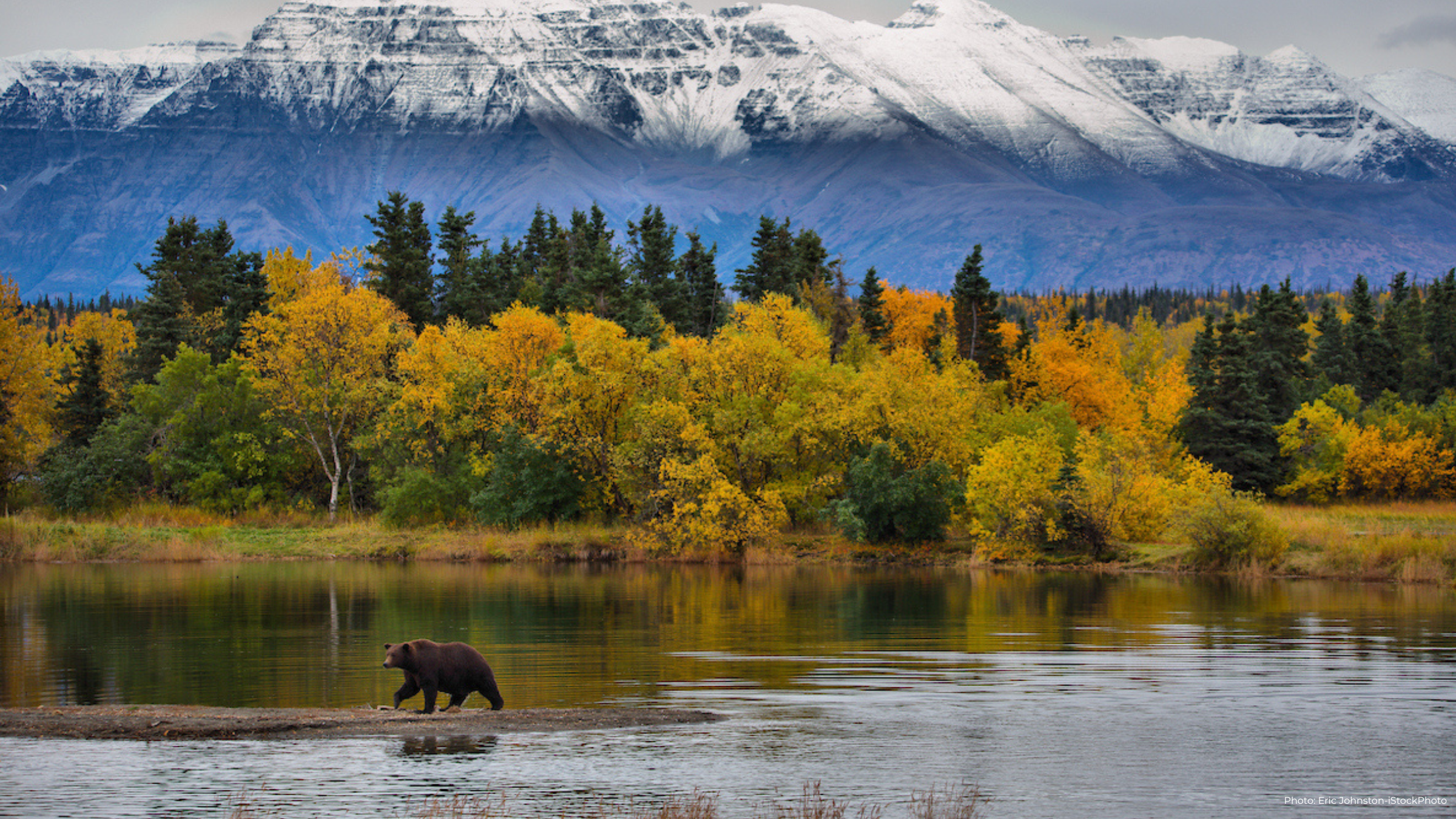
Imagine a world without wolves howling across the hills, grizzly bears grazing on berries and catching salmon, or sea turtles hatching along our sandy shores. Our wildlife is a source of wonder, pride, and unity. They are among the few national treasures that still bring Americans together.
We cannot wait until our habitats are destroyed, our species are teetering on the brink of extinction, and our natural world is no longer recognizable to say we should have acted sooner. We must speak out for our irreplaceable wildlife, because they cannot. Since 1947, Defenders of Wildlife has been doing just that: advocating for species big and small and working tirelessly on programs that protect them and their habitats. Learn how you can lend your voice to the effort.
For nearly 80 years, Defenders of Wildlife has worked to protect and restore America’s wildlife at risk of extinction. With a network of 2.1 million supporters, Defenders is an advocate for innovative solutions to safeguard our wildlife for generations to come. Learn more at defenders.org.