




Key Points
- Scale no longer equals margin: HBX is winning volume (adding EUR 1B+ this year) but its take rate has collapsed from a 9% prospectus assumption to 7.3%, driving flat-to-negative revenue and declining EBITDA despite strong demand.
- Inventory is no longer the moat: with Expedia’s B2B arm ($35.7B gross bookings), Booking’s new Partner Services unit, and rivals like WebBeds and TBO all selling rooms via API, buyers can multi-source easily, shifting value toward demand, distribution, and technology.
- Peers show decline isn’t inevitable: WebBeds grew volume and revenue ~20% while slightly improving margin, and TBO Tek grew EBITDA 25% with only modest take-rate slippage, whereas HBX’s revenue capture is still falling faster than volume.
Summary
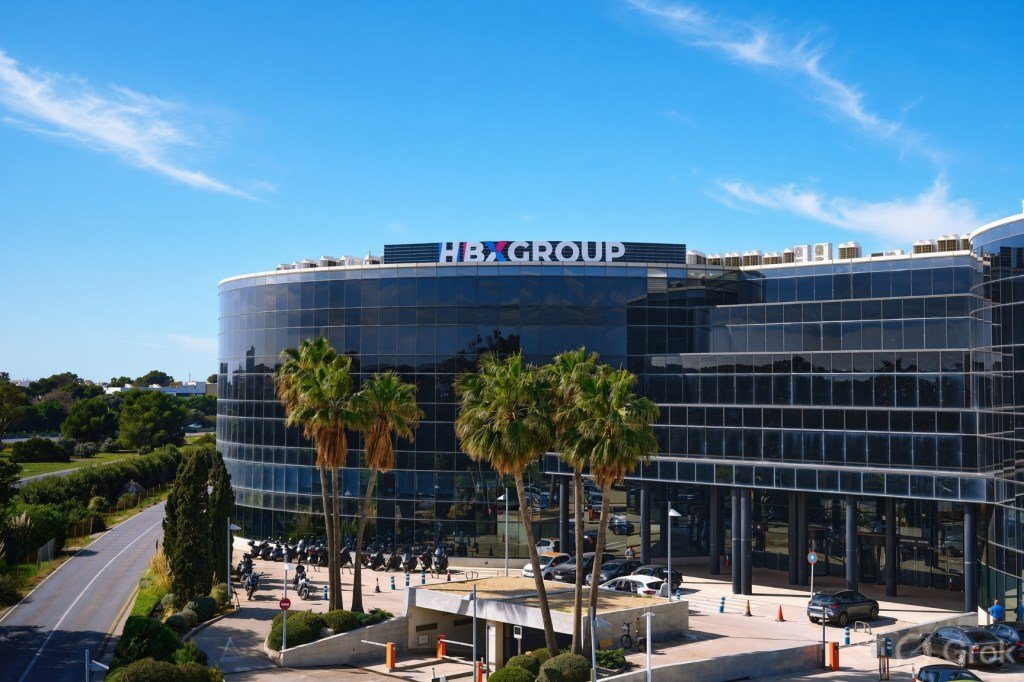
HBX Group (parent of Hotelbeds), the world’s largest independent hotel bed bank, is discovering that scale in hotel supply no longer protects its economics. Despite adding over EUR 1 billion in travel volume this year, the company expects flat-to-lower revenue and declining adjusted EBITDA, and its shares have fallen nearly a third since its February 2025 IPO at EUR 11.50. The core problem is take-rate compression: the spread HBX keeps on each booking dropped from a 9% prospectus assumption to just 7.3% in Q3 FY2026, its lowest since listing. Drivers include a shift toward lower-margin third-party supply and OTA channels, partner margin pressure, the Middle East conflict (a roughly 3-point growth drag), and rising fintech penetration. The underlying dynamic is structural: with Expedia, Booking, WebBeds, TBO, RateHawk and others all offering inventory via APIs, access to hotel rooms is no longer the moat it once was. Competitors like WebBeds and TBO Tek have shown margin decline is not inevitable, growing revenue closer to volume. HBX remains financially sound (net debt under EUR 400M, ~60% EBITDA margin, dividends and buybacks underway) but faces a leadership transition and an unresolved strategic question about what a bed bank becomes when supply is no longer its defining advantage.