Skip to content


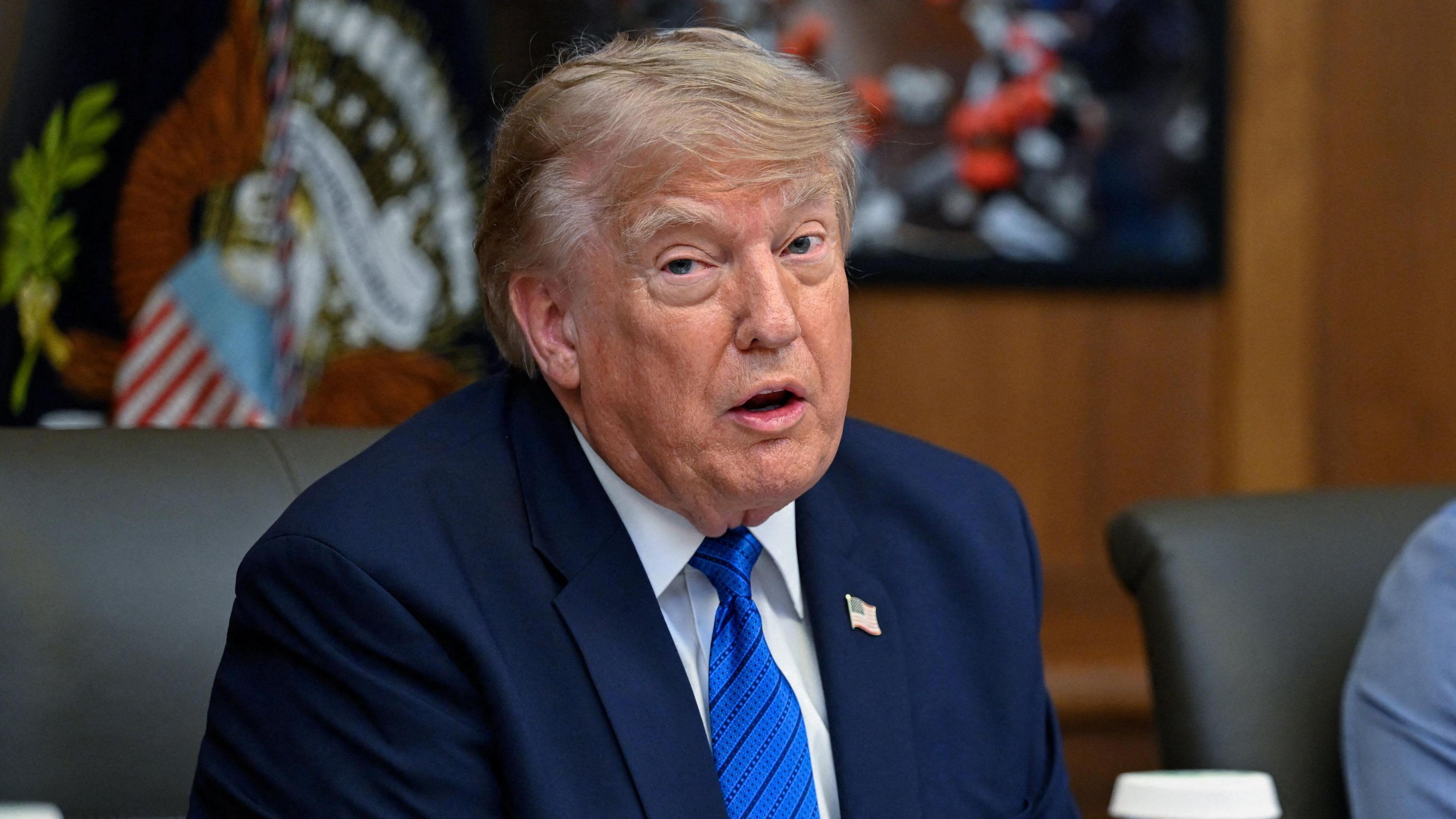 Image source, Reuters
Donald Trump says he has cancelled strikes against Iran, provided a deal is struck “rapidly” with the country.
In a post on Truth Social, the US president said he had been asked by Iran and other countries in the Middle East to “hold off” on any attack as the “perimeters” of a deal had been agreed.
Trump’s comments came after reports that the US and Israel may have been planning new, intense strikes on Iran.
It is not the first time that Trump has issued apocalyptic warnings, only to subsequently insist that diplomacy was being given a chance. Iran has not confimed requesting new talks or any agreement on the outline of a deal to end the war that began with US and Israeli strikes on 28 February.
On Sunday, Iran’s acting Defence Minister Majid Ibn al-Reza said Tehran viewed every threat from its adversaries as “real and credible” even if it formed part of psychological warfare.
“We will neither be caught off guard nor remain passive,” he added.
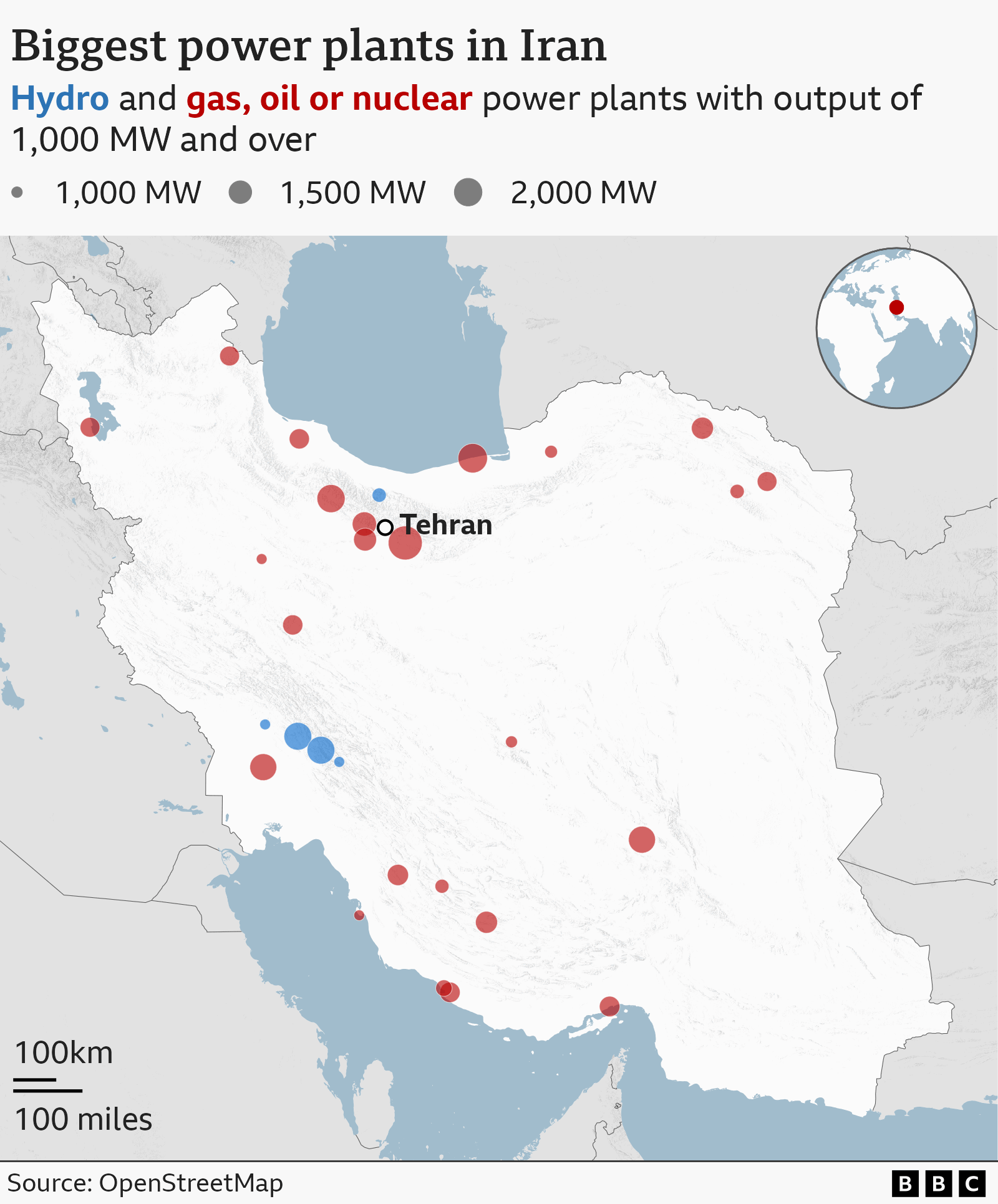
The raised tones followed reports in the US media that the US and Israel were planning what would be one of the harshest bombing campaigns to date against energy infrastructure targets in Iran.
The plan came up during Trump’s cabinet meeting on Friday, sources told CBS News, the BBC’s News partner in the US.
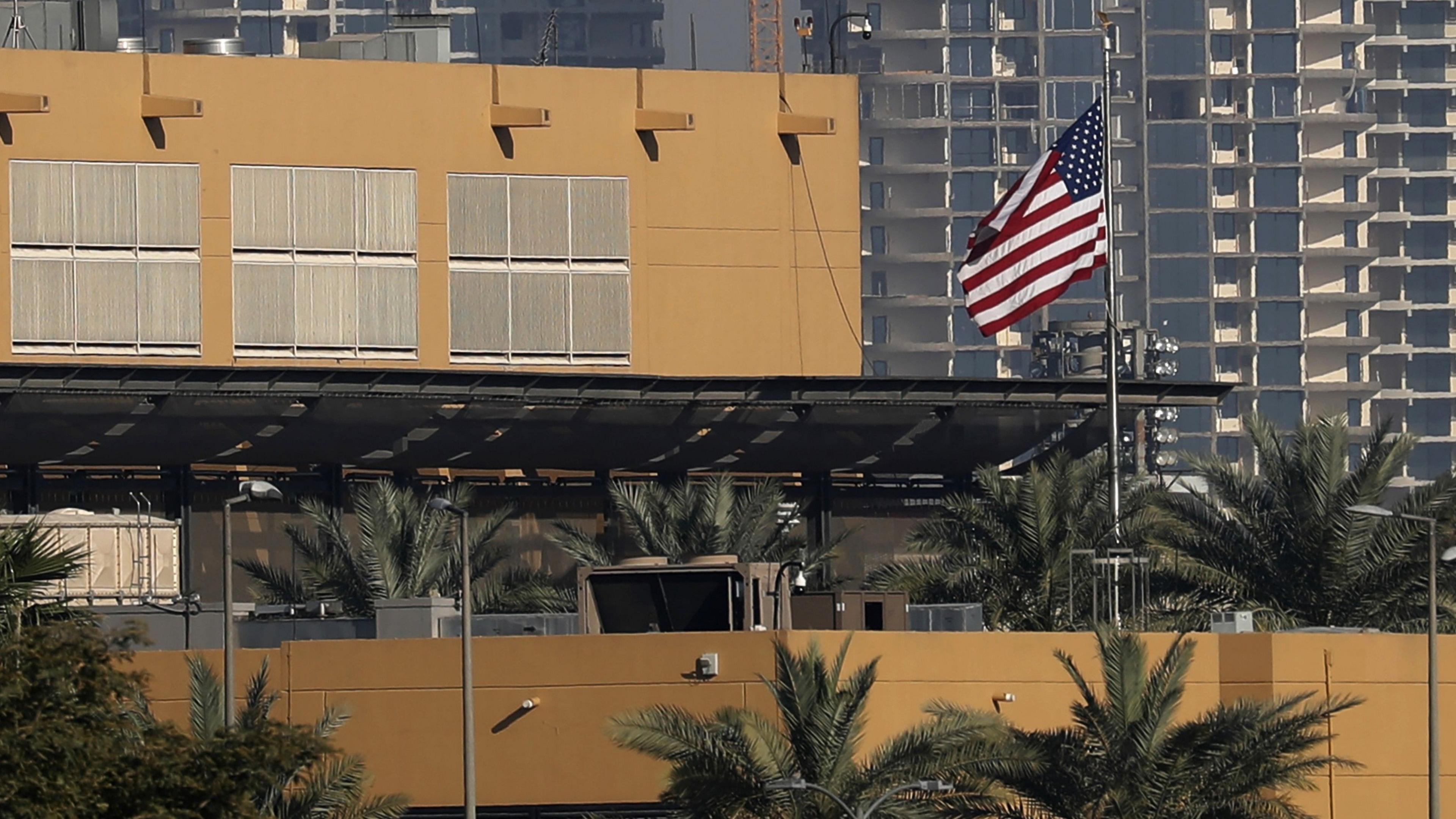
The US government had also urged Americans across the Middle East to be alert and ready to leave “should there be escalation” in the region.
In his post on Saturday, Trump said the US was “locked and loaded and ready to go against the Islamic Republic of Iran, at levels of Military Terror, Strength, and Power not seen since World War II”.
He said cancelling the attack would be “for the future benefit of the world and, likewise, the survival of a successful and prosperous Iran”.
Back on 7 April, the US president warned that “a whole civilisation will die tonight” if Iran refused to engage in peace talks. He threatened to destroy civilian infrastructure and power plants, a move that many said would be a war crime.
That threat did result in historic face-to-face talks in Pakistan, led by Vice President JD Vance.
For supporters of the president, it was vindication. Bellicose threats – often referred to as the “Madman Theory” – resulted in talks with the Iranians.
The issue with that view, however, is that those talks ended without a deal. There were simply too many competing red lines that could not be reconciled, even with the threat of civilisation erasure.
During the Friday meeting, CBS News reported Trump was heard saying while reporters were still in the room: “We’ll be hitting them [Iranians] very hard. At some point, they’re going to say, ‘We just can’t take it anymore.'”
A dau later, Saudi Crown Prince Mohammed Bin Salman had a call with Trump, aimed at reducing regional tensions, the kingdom’s official SPA press agency reported.
“His Royal Highness emphasised the necessity of prioritising dialogue to reduce tensions and the importance of exerting all possible efforts to achieve a truce that paves the way for diplomatic solutions.”
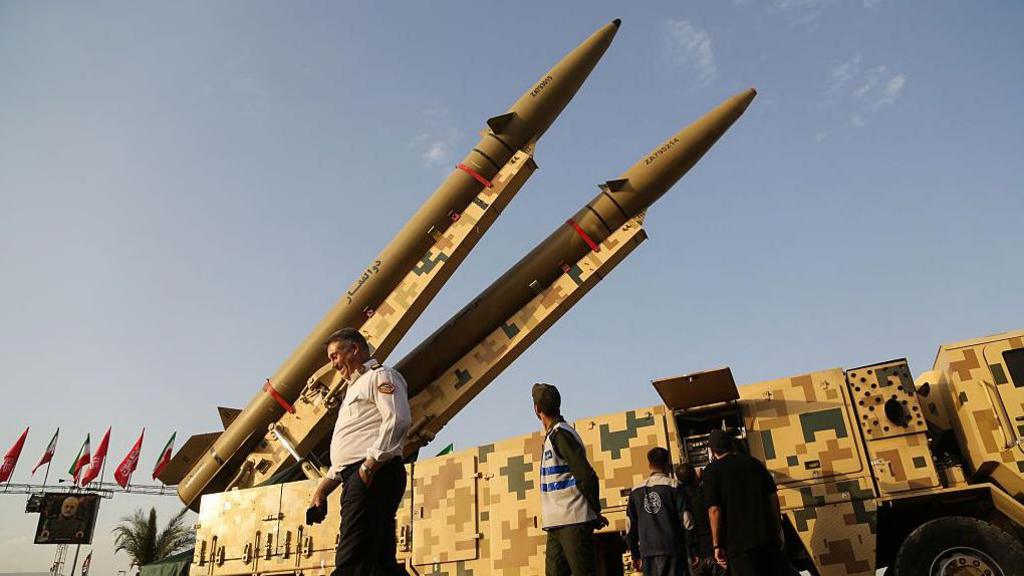
The US’s Gulf Allies hold concerns that, while the American mainland is out of reach of Iranian missiles, countries like Bahrain, Jordan and the United Arab Emirates are not – with their critical infrastructure such as water desalination plans being prime targets.
Washington and Tehran have engaged in escalating strikes and counter-strikes since a ceasefire in April aimed at pausing the war fell apart in June.
The US has blockaded Iranian ports and bombed Iranian sites, while Iran has fired missiles and drones at US assets in countries across the Middle East and targeted shipping in the Strait of Hormuz, a vital waterway for global oil shipping.
There have been significant fluctuations in oil prices since then.
It is not only international pressure that the US president faces. According to the Pew research centre, around 60% of Americans disapprove of the war with Iran, contributing to Trump’s falling popularity.
Any escalation would almost certainly result in an increase in oil prices, further squeezing US consumers.
With crucial US midterm elections looming, the president will know his international decisions could have serious domestic consequences for his administration.
Related topics