



Caregiving has taught me to ask a simple question before making a consequential decision: “Is this healthy?” Will this solve today’s problem by consuming what we may need tomorrow? Does it respect the resources entrusted to me?
After 40 years as a caregiver, I have learned that money, time, strength, and even goodwill are finite. Wanting something does not make it wise, and good intentions do not eliminate consequences. A caregiver who confuses desire with capacity can hurt the very person he is trying to help.
We are financing today’s promises with tomorrow’s labor, then congratulating ourselves for our generosity.
Caring describes an intention. Stewardship requires an accounting. By that standard, Washington has failed spectacularly.
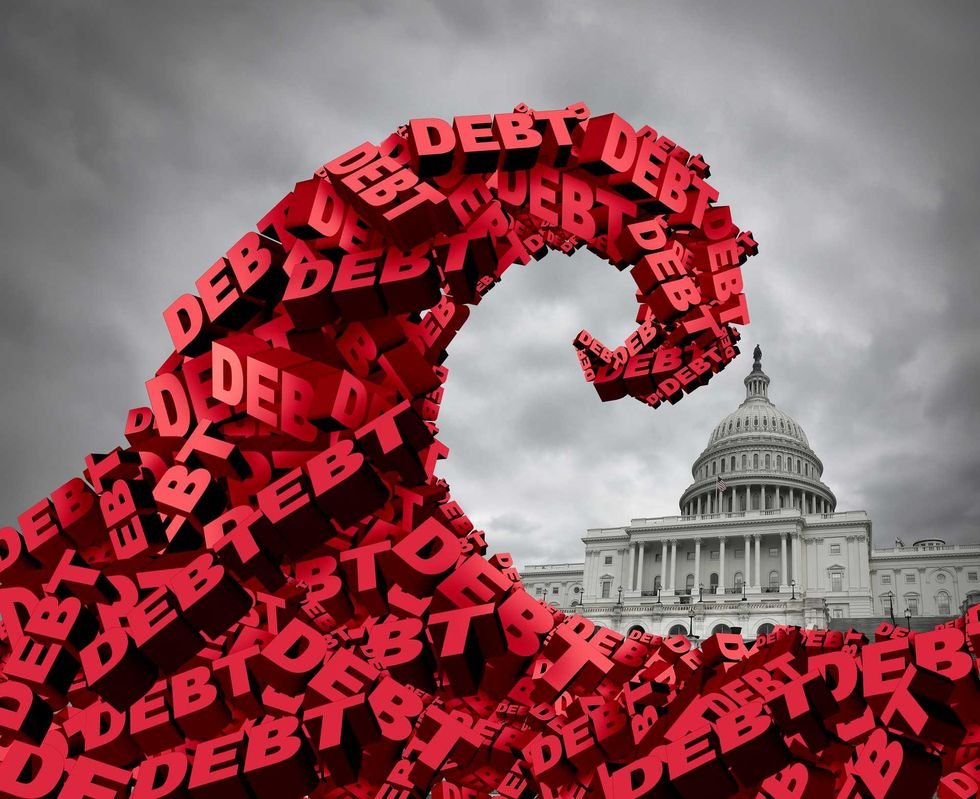
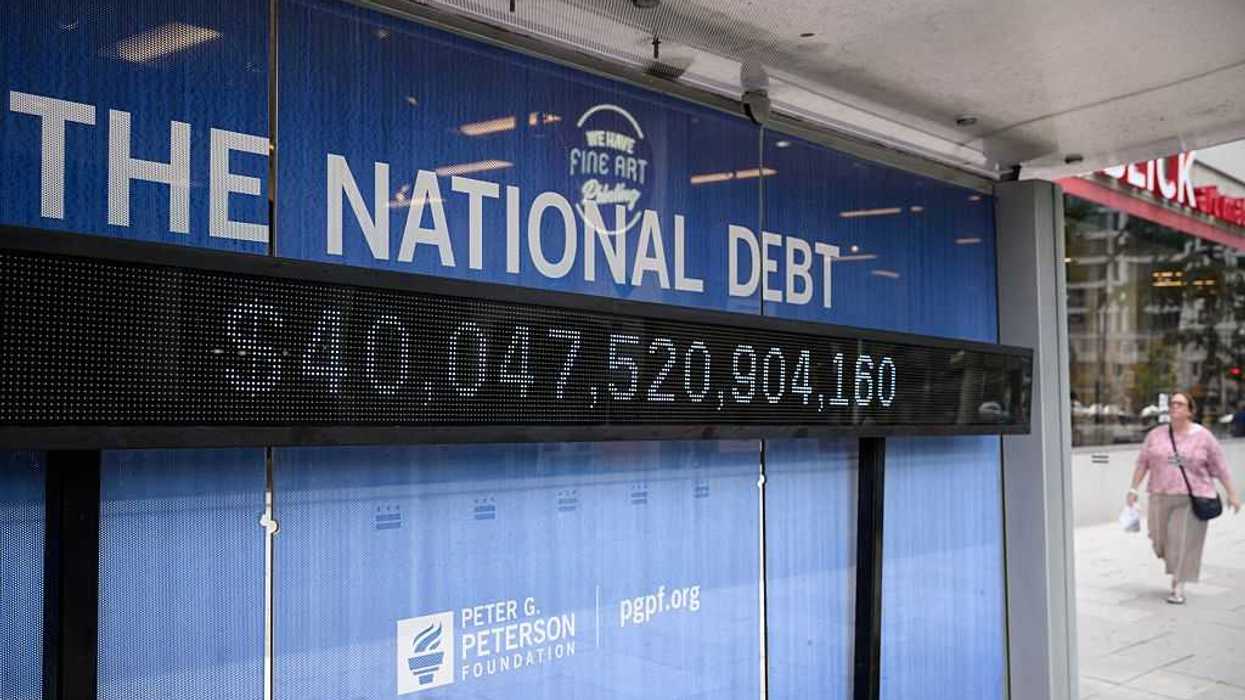
The United States has now crossed $40 trillion in national debt. The figure barely communicates anything. Forty trillion sounds like something a third-grader says when trying to name the biggest number in the world.
The national debt is what Washington has accumulated through borrowing. The annual deficit is how much more it spends than it collects each year. The debt is the hole. The deficit is how much deeper we dig it.
The Congressional Budget Office projects a $1.9 trillion federal deficit for fiscal year 2026. Congress has looked into a $40 trillion hole and concluded that what it needs is more digging.
Democrats invoke compassion to justify spending money the government does not have. Republicans campaign on fiscal restraint, win office, and then discover that their preferred spending somehow does not count. One party calls it caring. The other calls it necessary. Both send the bill to our children.
Each party points furiously at the other while passing the national credit card back and forth. Both help start the fire, then pass the collection plate while arguing over who bought the gasoline.
Now we enter election season, when, as Lloyd Christmas might say, the promises flow like the salmon of Capistrano. Candidates will tell us how deeply they care about families, seniors, veterans, national defense, and taxpayers. They will demonstrate their concern for one group by promising it money borrowed from all the others. A politician can always appear compassionate by promising benefits with other people’s money.
RELATED: It took 200 years to reach $1 trillion in national debt. 2026 said, ‘Hold my beer.’
Stewardship asks harder questions: How much will this cost? Who will pay for it? What has the existing program accomplished? What happens if your projections are wrong? If this is worth doing, why must we borrow the money?
Those are not cruel questions. They are the responsible ones.
Government cannot create resources by attaching the word “federal” to them. There is no government money. Government either collects money from today’s citizens or borrows against tomorrow’s taxpayers.
We are financing today’s promises with tomorrow’s labor, then congratulating ourselves for our generosity. There is nothing generous about giving away the money of someone not yet born. That is taxation without representation on a generational scale.
Stewardship does not require government to spend nothing or never incur debt. Families and nations face genuine emergencies. Caregivers understand that. Medical catastrophes rarely consult the household budget before arriving.
But caregivers often do without. Congress seems far more comfortable assigning sacrifice than accepting any. I have also learned that an emergency cannot become a permanent governing philosophy.
At my kitchen table, I cannot promise everything, spend without limit, blame someone else when the bills arrive, and then congratulate myself for caring. Yet Washington does just that.
RELATED: Scott Bessent is the secret weapon for Trump’s economic plan

Over the next few months, commercials filled with flags, farms, hard hats, classrooms, and concerned expressions will flood the airwaves. Recorded voices will warn that civilization depends upon our response before midnight.
As the onslaught escalates, keep asking one question: Is this candidate a good steward? Not only of public money, but of public trust, constitutional authority, and the extraordinary inheritance of self-government.
To our national shame, we may not be able to answer yes about many of them. That does not excuse us from voting. It makes our responsibility more sobering.
Ronald Reagan popularized “trust, but verify” when dealing with the Soviet Union. Washington has now given us $40 trillion reasons to apply it to our own government. We must choose the better steward and then hold that person accountable.
Campaign season is when politicians sell. Election Day is when we buy. Tax Day reminds us what we paid. Better hang on to the receipt.
After April 15, we begin to learn whether they can manage what they were so eager to sell.
Around my kitchen table, math eventually gets the final vote. At $40 trillion in debt, one wonders whether math even applies in the halls of Congress.