



Conservative intellectuals have spent the past month fiercely debating the “common good.” On one side are those who believe that government policy should operate on this principle (however it’s defined). On the other side are those who warn that it threatens individual liberty.
The debate inspired dozens of articles and tweets on the topic, illustrating some of the bitter divides on the right during the second Trump administration. But for all the attention paid to the common good, a key factor was left out of the debate: the actual opinions of Republican voters. If anything, the much-derided sentiment of “Leave us alone!” is stronger than ever.
Obviously, this presents a problem for those common-good conservatives wishing to rally the people for a collective mission. Our voters seem to prefer individual liberty and cultural libertarianism over any kind of mandated common good.
What exactly is the common good? The Harvard law professor Adrian Vermeule, its chief exponent, says it demands that “the central aim of the constitutional order is to promote good rule, not to ‘protect liberty’ as an end in itself.” The National Review writer Michael Brendan Dougherty says it is “the ensemble of conditions under which persons and communities attain their flourishing” and that it’s necessary to restrain “excessive liberal individualism.”
Still, the “common good” remains very open to interpretation and begs a question: Who gets to define it? It’s not an alien concept in America, as liberals often point to some type of common good to advocate for their policies. They claim we need radical changes to serve the higher goal of eliminating racism, sexism, etc. Many of the woke policies the right despised were argued not on the basis of increasing individual liberty, but to serve some collective social purpose.
But common-good conservatives believe wokeness, as well as the rise in the vice economy, is due to excessive individualism. There’s an implication that these woes are imposed on the people by the shadowy elites who exploit libertarian rhetoric to sell poison to the masses.
The people take a different view of the matter. Their main problem appears to be the government telling them what to do, not the government letting them do as they please. Ballot referendums legalizing vices gain overwhelming support. Impositions on individual liberties are hated. NIMBYism has never been more popular. People don’t even want to pay property taxes anymore to fund the common goods of their community.
These tendencies seem strongest among the Republican base. An instinctive libertarianism, rather than high-brow common goodism, motivates them. This is why they strongly opposed both woke and the lockdowns. They didn’t see these measures as examples of excess individualism. They saw them as limits on their liberty.
This folk libertarianism, and its inconvenient relationship with common-good conservativism, was explained five years ago in brilliant articles by Tanner Greer (no relation to your humble author). He offered a good definition of this mentality:
[BLOCK]The libertarian streak of the median Trump voter is not refined or well-reasoned. It is more a product of instinct than intellect. It is the impulse that caused backcountrymen to cry for “elbow room” two centuries ago, causes modern Trumpists to yell “get off of my lawn!” today, and led both groups to embrace the slogan “don’t tread on me” when they felt like their way of life was under siege.[/BLOCK]
He summarized the core differences between common good conservative intellectuals and the folk libertarian base as thus:
[BLOCK]The New Right vision of politics is unapologetically elitist, hierarchical, and communitarian. The right-wing base, in contrast, is rebellious, egalitarian, and individualist.[/BLOCK]
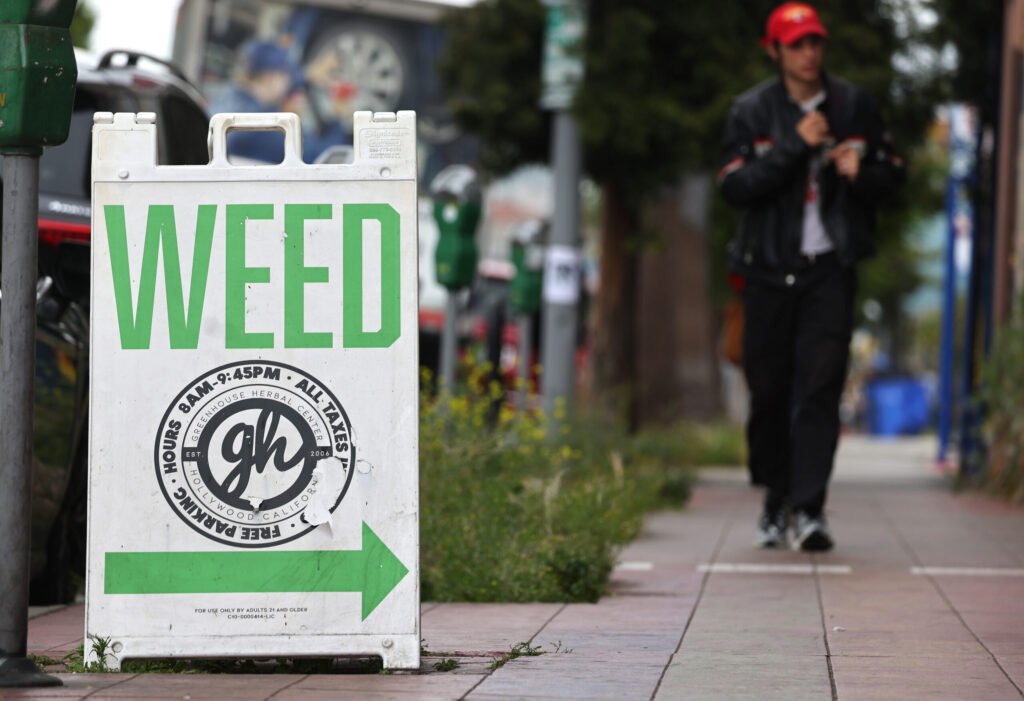
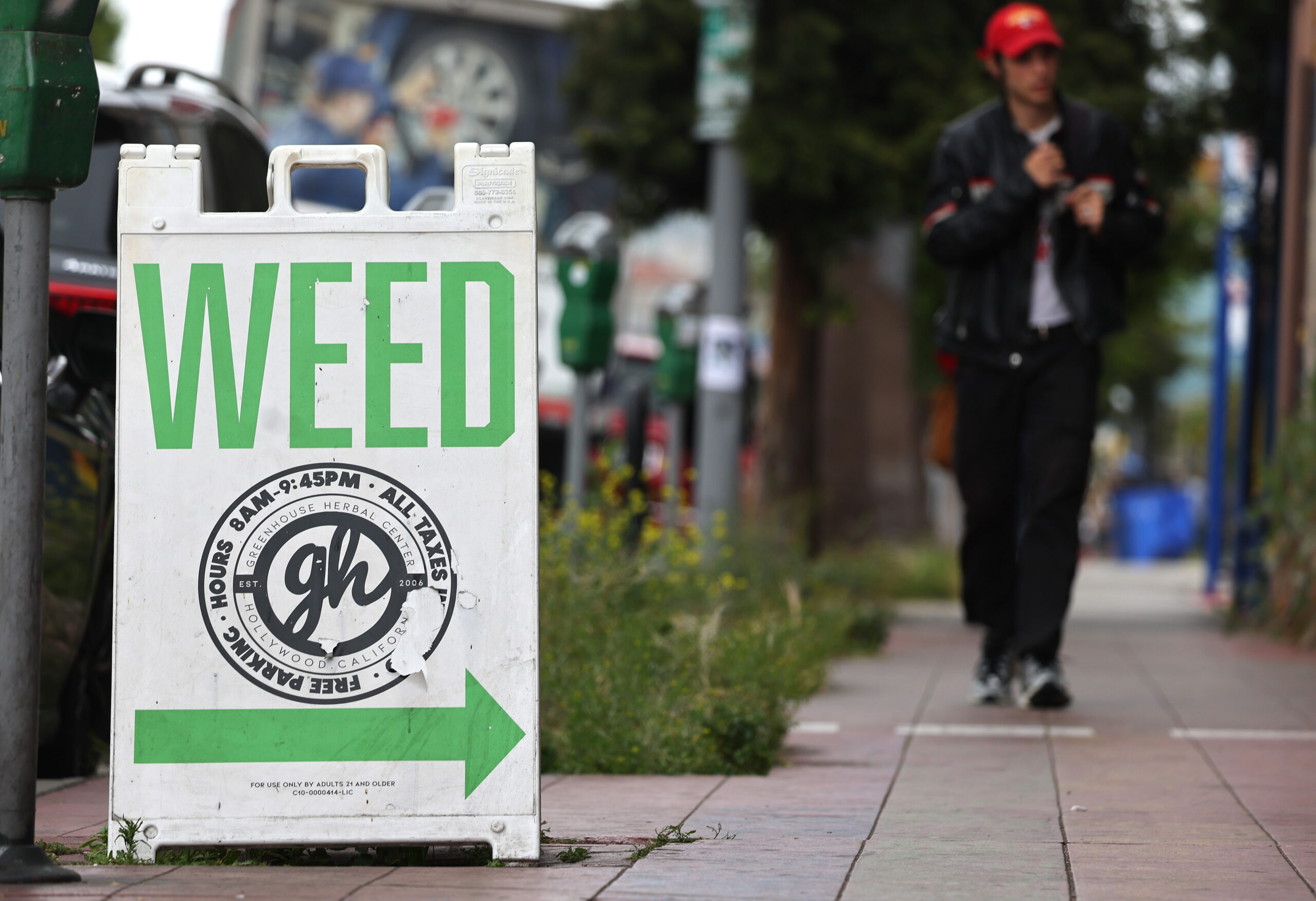
The base has only doubled down on those tendencies since then. While conservative intellectuals rail against the vice economy, red states continue to vote for it. Ballot initiatives legalizing weed, abortion, and gambling regularly win. Voters in Ohio, Missouri, and Nebraska voted to make marijuana more accessible in their states over the last four years. Over 55 percent of voters in Florida wanted it legal in the Sunshine State (it failed because it didn’t reach the 60 percent threshold). A plurality of Republicans (and a strong majority of Americans) now say recreational weed should be legal. More Baby Boomers, a core GOP demographic, use cannabis-based products than ever before. Weed dispensaries dot the heartland now.
The American public also can’t get enough of sports betting. Last year, Americans wasted more money on sports bets than they did on movies, music, and museum outings combined.
Common-good conservatives imagine the people will make sacrifices and perform certain duties to better their communities and nation. Yet the people are probably even less inclined towards this tendency than at any point in American history. As I’ve argued before, Americans now ask what their country can do for them, not what they can do for their country.
One basic duty people have to their communities is to pay property taxes. This supports the common goods of roads, first responders, schools, and other local essentials. But now, one of the most popular ideas among Republican voters is restricting or even banning these taxes. Our voters don’t care that this would defund public services. Many believe they have no obligation to pay for schools and other basic obligations. “Leave me alone!” outweighs the common good here.
We can see this in other battles. Flock cameras are also deeply unpopular among the Republican base. You could make a common-good argument that they’re necessary for the public safety of the community. But that’s not an argument winning over the masses. Ordinary Americans see them as a tentacle of Big Government tyranny and a tool for harassing and spying on random individuals. Liberty matters more to many conservative in this debate than public safety.
This devotion to liberty obviously animated the right’s opposition to wokeness and Covid restrictions. Teaching kids to change their gender and hate white people was seen as dictates imposed by liberal teachers and bureaucrats, not as individual liberty run amok. Most conservatives hated wokeness because it told them what they could and could not say. In their view, it forced people to believe crazy ideas rather than allowed people to believe them.
The same goes for Covid mandates to don masks, work from home, get the vaccine, and socially isolate. People lost their jobs for failing to comply. This was one of the only times in the modern era that Americans were forced to sacrifice on behalf of some common good—and it was resented. Conservatives hated how the government robbed them of their liberty in the name of the common good. There’s still a lot of bitterness from that period, which probably explains why the base has doubled down on “leave us alone.” The lies and impositions of the Covid era left a bad taste and an aversion to any kind of common cause or social dictate.
Conservative intellectuals may not like this political situation, but it’s worth keeping all this in mind as the common good debate rages on. It’s hard to imagine the base getting inspired to limit their own freedom on behalf of a common good defined by some Harvard law professor. They want to be left alone to make their own decisions. After peak woke and Covid, who can blame them?
The post The Common Good Debate Leaves Out the Base’s Desire to Be Left Alone appeared first on The American Conservative.