






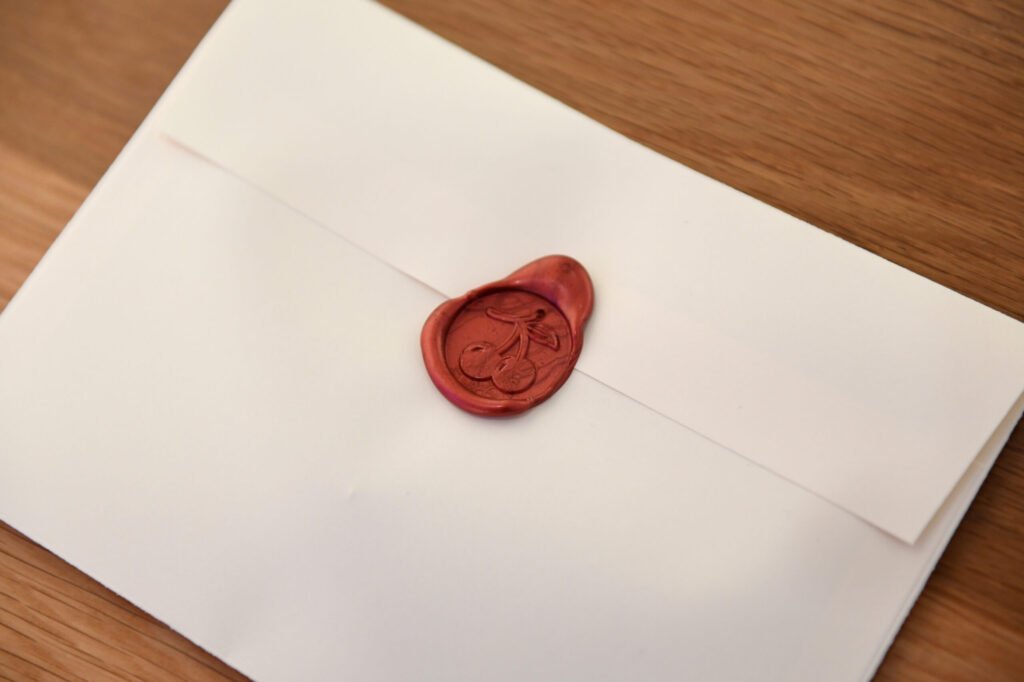
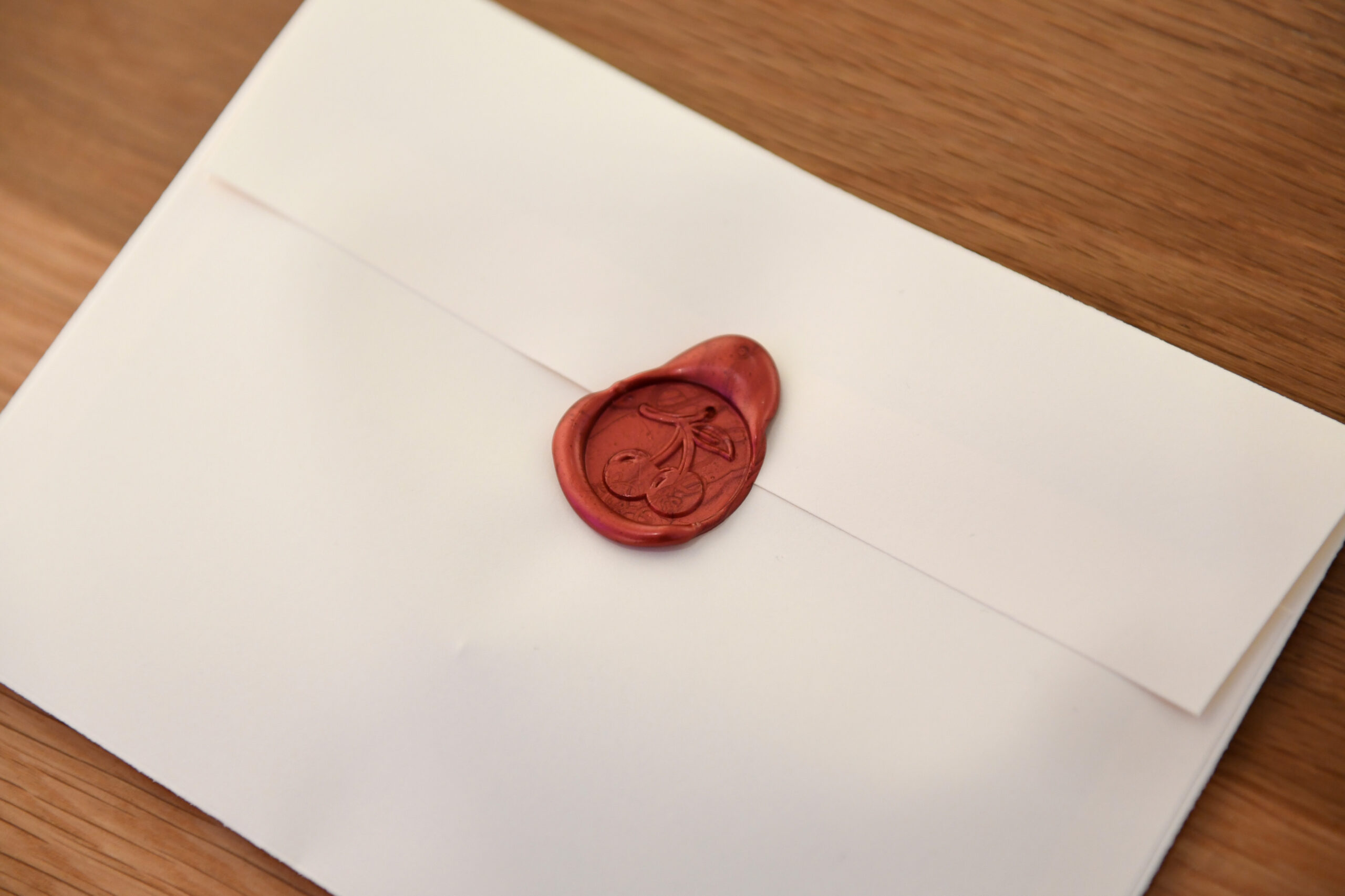
In today’s cynical, unromantic times, it has gone with the wind, replaced by coarse texts and other such vulgarities. I am, of course, referring to the love letter, once upon a time the gold extracted from the dross of everyday speech. The absence of it came to mind during the recent St. Valentine’s Day, when the incalculable magic of a handwritten love letter was once expected by ladies the world over.
No longer. This is the era of insipid, lazy texting, “K” or “CUL8R” are more likely to be sent or received by the lovelorn. My grandchildren, even my children, know only the tyranny of text messages. Yet the simple magic of a handwritten love letter cannot be overstated. It inspires instant trust, and almost forces a woman to keep it, even probably to tie a ribbon to it. I have been using love letters all my life, but then I’m an old-fashioned type, unafraid to admit I go weak at the knees at the sight of a beautiful woman.
Committing one’s emotions to paper demonstrates an innate need for written expression. Words are less cheap, more precious. But the love letter has gone the way of good manners. People simply won’t take the time to do it. And that’s a great pity. Love letters stay forever, telephone calls are gone with the dawn, and texts—don’t get me started.
Personally, I have not received many love letters, but I sure have sent my share. Most of them have been written at night—romance time—and many under the influence. Unrequited love inspires beautiful love letters—but, if the epistle is a good one, unrequited becomes inaccurate. In a real love letter, punctuation and grammar don’t matter all that much; the tone is all. In fact, if the besotted one wrote a perfectly constructed letter, he would not be as besotted as he thinks he is.
The effort required to convey one’s feelings with precision is what makes the love letter difficult to write. Love letters can be pedantic, even crude, with the romance missing. The most tragic and greatest of poets by far, John Keats, was as good in his love letters to Fanny Browne as he was in his poems. That is so because a love letter is a poem of sorts, or, better yet, it is like a fine madness that compels one to write things he or she would otherwise never express.
Modern technology has killed off the love letter, and probably will kill off love-making in future. Just imagine some youngster armed with a mobile writing a love letter—or making love for that matter.
Napoleon Bonaparte wrote some beauties, especially to Maria Walewska; he wrote almost nonstop to Josephine while he was in Italy and Egypt. While he was waging war, she was cheating with Fouche. Never mind.
The best advice I ever had came from an older Italian gent who told me to write a letter to a great Hollywood heartbreaker back in 1957, when I was 20 years old. Linda Christian had just divorced Tyrone Power and was staying at the Plaza in New York. I lived with my parents across 5th Avenue from the Plaza at the Sherry Netherland. I sat next to the telephone and waited. And waited. Then it rang, and it was Linda. Her first words were “How old are you?” I added seven to my 20 and it was the start of a beautiful friendship.
Eventually, I patented one love letter and used it freely. It is called R&J. It goes like this: “Dear X. Having avenged Mercutio’s death, Romeo is advised to flee Verona. ‘But Heaven’s here, where Juliet lives,’ he cries. However corny and sudden this may sound, this is how I’ve felt for you since the moment I met you. Love, Taki.” Needless to say, two ladies once compared their love letters, realized only the names were changed, and I became the laughingstock.
The post Taki’s Love Letters appeared first on The American Conservative.