Skip to content








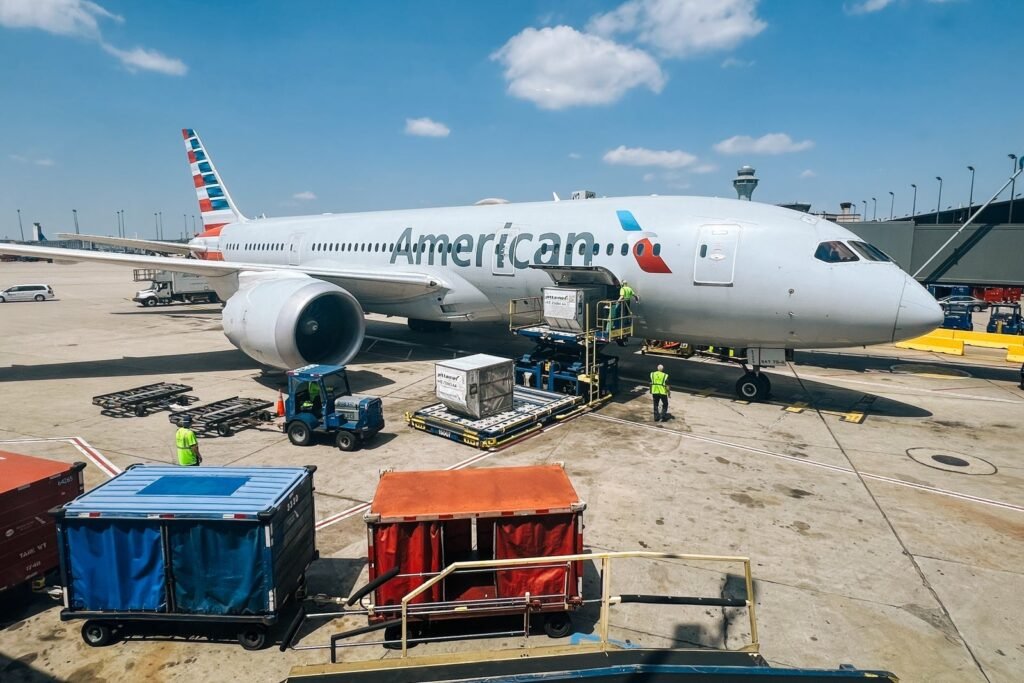

Seven years ago, budget airlines were on a roll.
With rock-bottom fares and tons of flights to vacation hot spots, ultra-low-cost carriers like Spirit Airlines and Frontier Airlines raked in cash by wooing travelers with the chance to fly for less than the cost of a meal out — especially if you could fit all your stuff into one backpack.
Now, U.S. discounters might be up against their biggest test yet.
Spirit’s collapse earlier this month marked the fall of an airline whose big yellow planes were practically synonymous with low-cost travel, from the bare-bones fares to the add-on fees and getaways to places like Orlando, Las Vegas and Cancun.
Frontier, JetBlue, Allegiant Air and other budget-focused airlines are already rushing to fill the void at airports where Spirit had a major presence.
What’s still unclear, though, is whether they’ll fare much better.
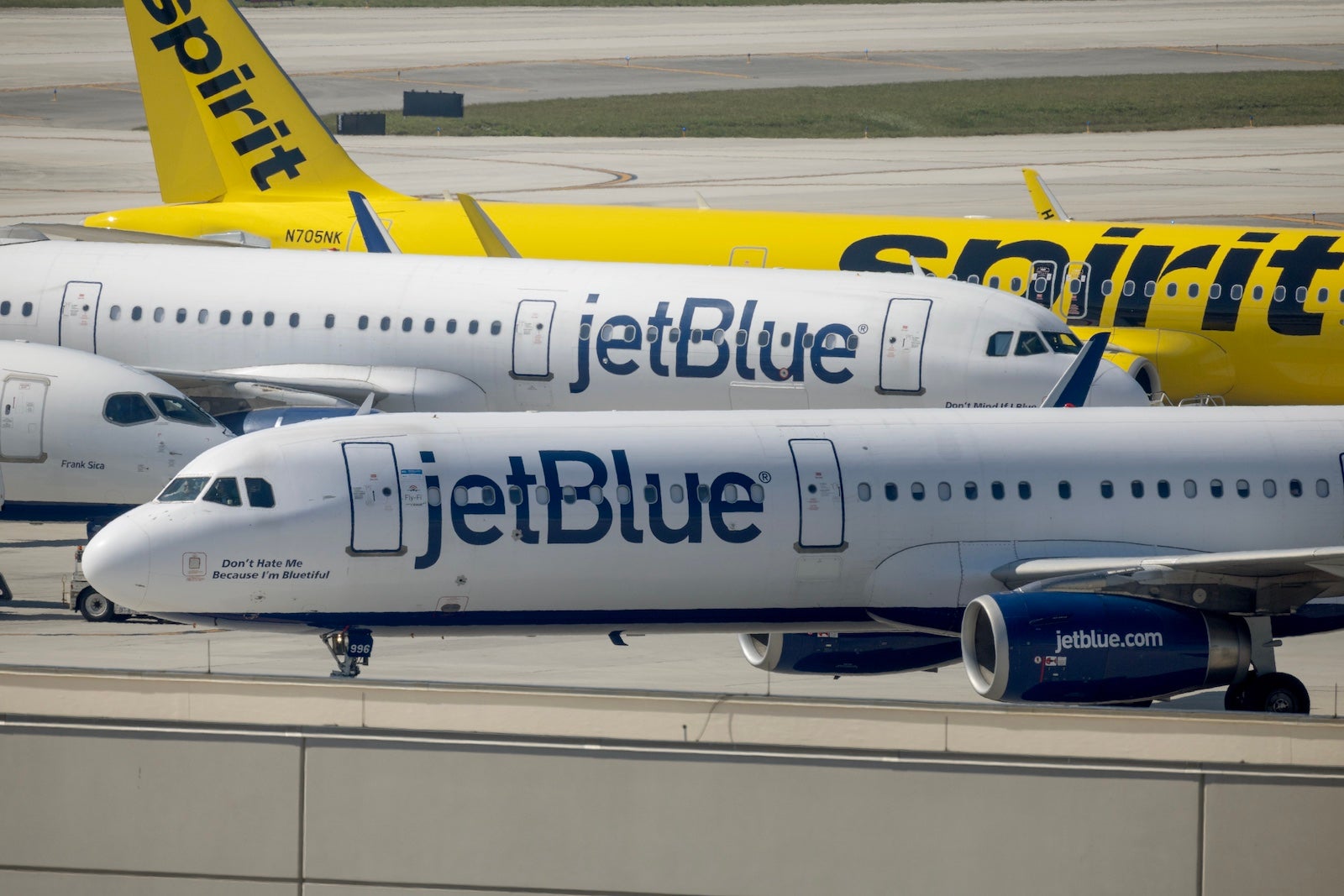
Surging jet fuel costs and years of financial losses — plus many of the same industry forces that doomed Spirit — have left real reason to worry about the budget sector, industry insiders warn.
“There are other airlines that are in very precarious positions — not like Spirit — but if they don’t fix things quickly, this stuff snowballs very quick,” Conor Cunningham, industry analyst at Melius Research, told TPG.
What’s at stake: the vital, cost-effective air travel these airlines provide to millions of consumers … and the competitive pressure they put on ticket prices for nearly every other flyer.
Spirit’s problems were especially severe
To be clear, no airline today faces a crisis as deep as the one Spirit faced in its final months.
Before abruptly shuttering operations May 2, the Florida-based carrier had twice filed for bankruptcy and accrued billions of dollars in debt.
Nothing Spirit tried seemed to work, either.
The airline’s proposed merger with JetBlue came to a screeching halt in federal court. Many of its newest planes spent months on the ground due to engine issues.
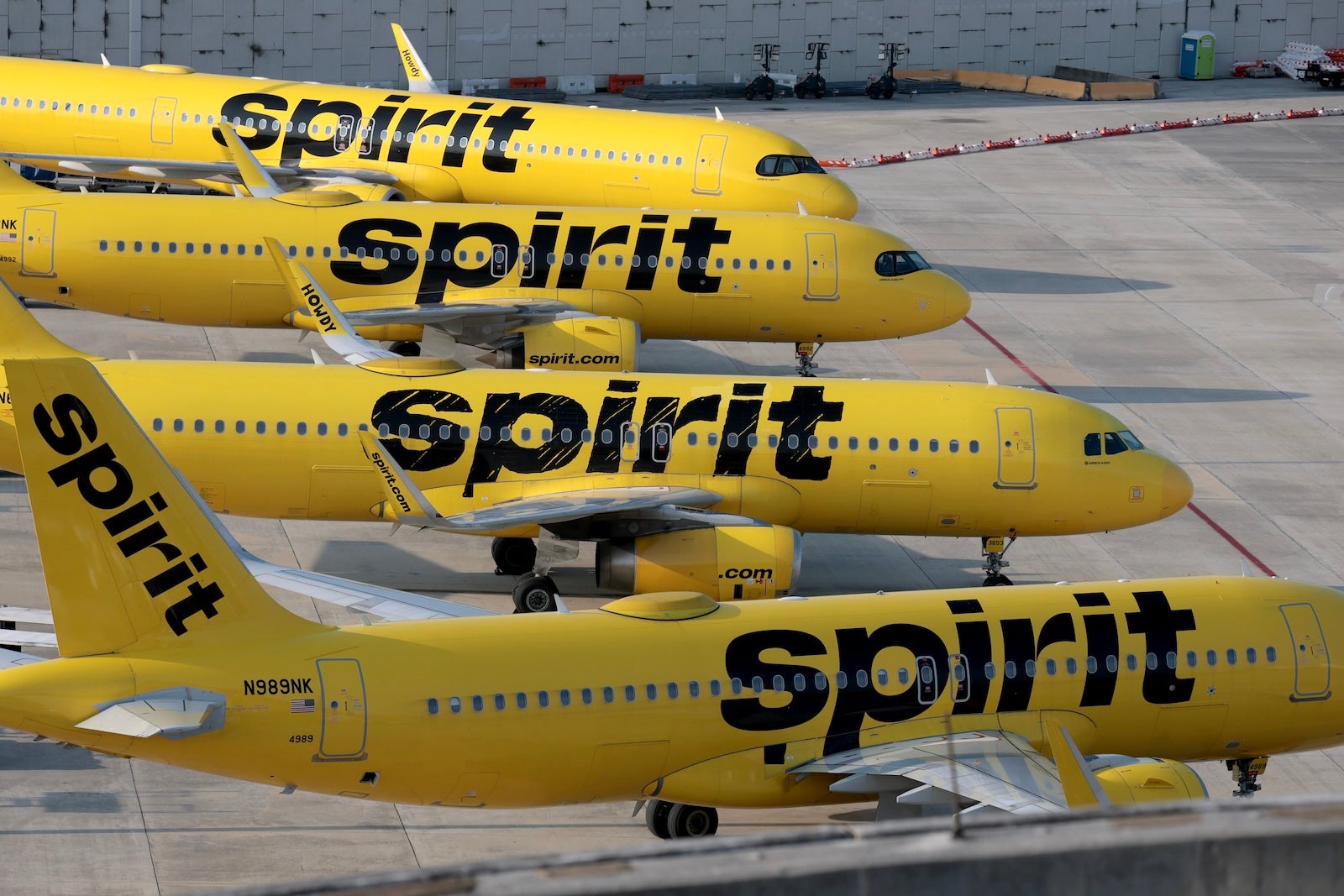
And its no-frills, bare-bones business model took a hit after the peak of the coronavirus pandemic, when flyers began flocking to bigger airlines that had premium seats, European flights and powerful loyalty programs.
By the time Spirit grounded its planes this month in the face of skyrocketing jet fuel costs, the $335 million profit it turned in 2019 was a distant memory.
Remaining budget airlines hope for a bump
Over the last few weeks, a host of budget airlines have moved quickly to try and capture the business Spirit left up for grabs when it closed up shop.
The defunct airline’s engines were practically still warm when JetBlue announced a host of new flights from Spirit’s Fort Lauderdale-Hollywood International Airport (FLL) home base, doubling down on a monthslong push to make the airport one of its biggest hubs.
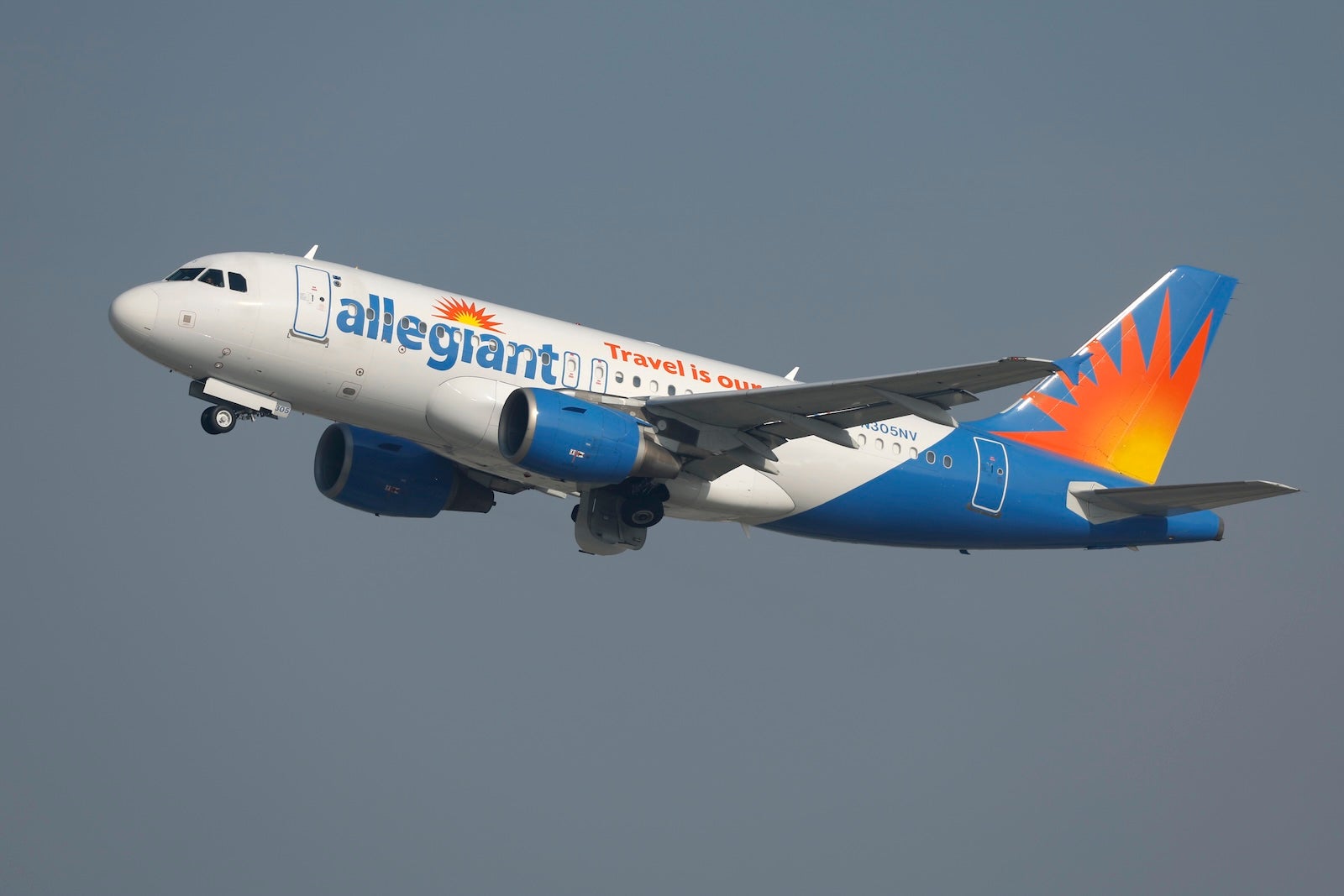
Allegiant had already started to move into Atlantic City, a former Spirit stronghold, and Breeze Airways just did the same.
Meanwhile, executives at Frontier said the budget carrier was “uniquely positioned” to win Spirit’s customers — and get a modest financial boost in the process — having already gone head-to-head with its top rival on more than 100 routes.
A sobering reality
But for some of these low-cost carriers, the current financial snapshot isn’t exactly rosy, either.
Frontier lost $137 million last year and hasn’t been profitable since before the pandemic.
The same goes for JetBlue, which hemorrhaged over $300 million during the first three months of 2026 and recently moved to quell any speculation that it was exploring a bankruptcy filing this year, Bloomberg reported.
Plus, all of these airlines face many of the same challenges that plagued Spirit.
Everything costs more than it did in the “old days” (of the 2010s) when budget airlines were making money en masse. Simply put, it’s a lot harder to turn a profit on a $39 fare today than it was in 2019.
That economic crunch has coincided with travelers increasingly voting with their wallets for the flashier amenities, long-haul routes and credit card programs offered by the full-service airlines, challenging the industry’s long-held notion that the cheapest fare wins.
“People wanted different things,” Cunningham said. “They wanted premium. They wanted a network that could get them anywhere. They wanted a loyalty program. They want lounges now. To maintain the old playbook just wasn’t going to work.”
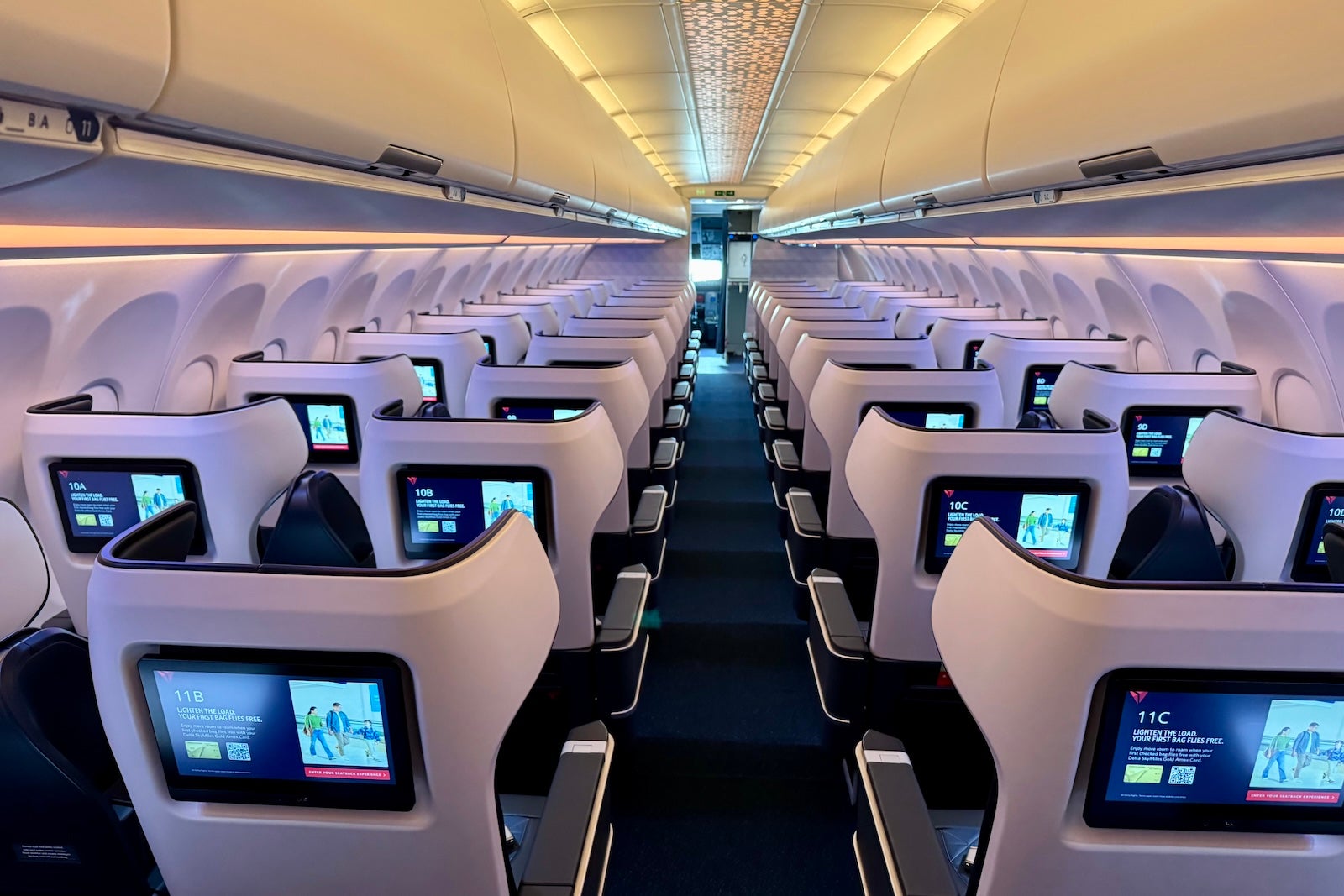
And, don’t forget: The same network airlines offering lie-flat seats now also compete forcefully at the low-price end of the spectrum, too, with their slimmed-down basic economy fares.
It’s a setup that’s led the big airlines to corner the market in a way that United Airlines CEO Scott Kirby has often called “structural, permanent and irreversible.”
Discounters fight on
The budget airlines still flying have big plans, nonetheless.
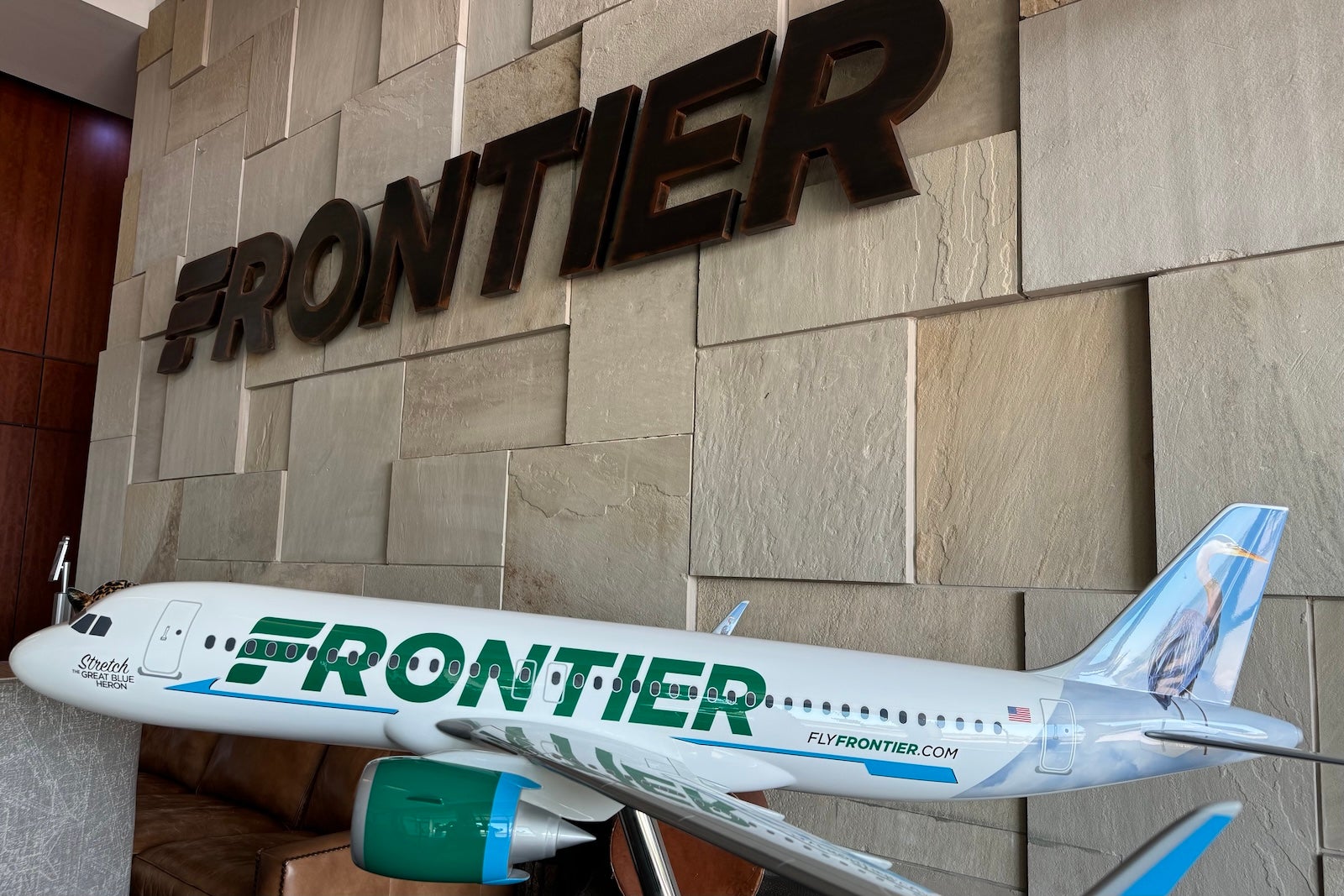
By year’s end, Frontier expects to add first-class seats to its planes in a push to get in on the lucrative “premium” wave that’s been a boon for United and Delta Air Lines.
Executives at Frontier also drew a clear distinction this month between Spirit’s financial situation and its own, telling Wall Street that the Denver-based carrier’s liquidity was “at the upper end” of what the company has had “in many, many years.”
JetBlue, which is also planning to debut domestic first-class seats, is set to open its second-ever airport lounge later this summer in Boston; it’s also eyeing a third lounge location in Spirit’s former South Florida backyard.
That’s on top of its new partnership with United ramping up in recent months.
Meanwhile, Allegiant just got a lot bigger by closing on its merger with Minnesota-based Sun Country Airlines, solidifying its place as the nation’s eighth-largest carrier.
The airline’s CEO, Greg Anderson, told me last year that he had talks with Starlink about adding ultra-fast Wi-Fi onto Allegiant’s historically no-frills planes.
All these airlines are hoping that having one fewer budget competitor and more quasi-premium features will make them stronger.

The future of budget airlines
Still, the question remains: Will all of America’s remaining budget airlines survive?
“There is always a market for someone trying to offer really low fares and people looking for deals,” Cunningham said.
Yet, the folding of Spirit offered a “clear warning sign,” the trade group for low-cost carriers said this month, as it (unsuccessfully) lobbied the Trump administration for jet fuel money.
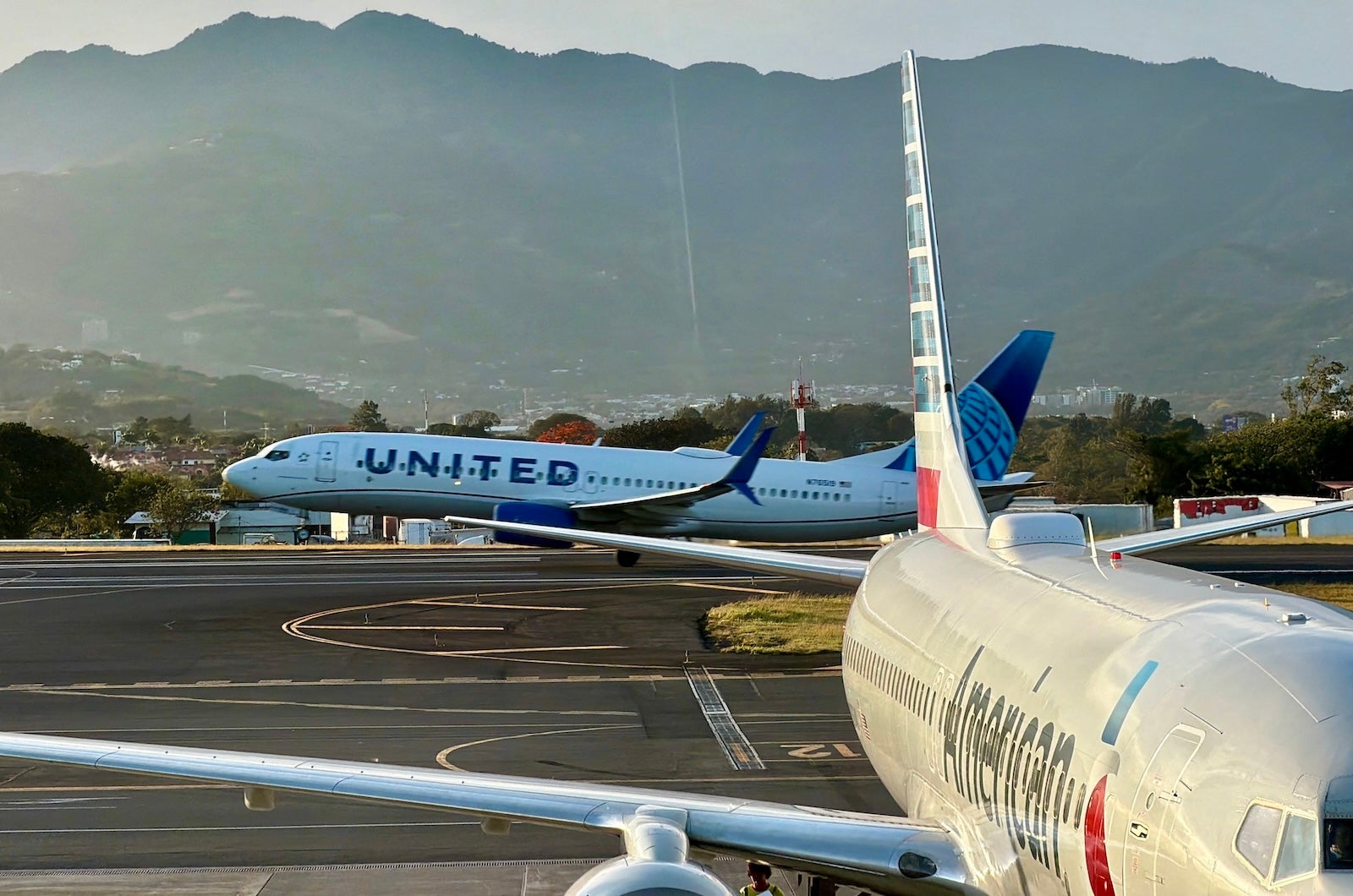
“Make no mistake: if there are fewer value airlines, flying will become less affordable for Americans,” the Association of Value Airlines wrote shortly after Spirit’s collapse, arguing the airline industry has become too far tilted toward the four big airlines (American, Delta, United and Southwest) that currently dominate the U.S. market.
Long-term, Cunningham argued, it may ultimately be Allegiant’s business model of flying from underserved cities to leisure destinations a few times a week that succeeds most for a low-cost carrier — similar to the strategy Ryanair has successfully used in Europe for decades.
That may not be a perfect solution for consumers, though.
After all, if low-cost airlines retreat to secondary airports and niche leisure routes, travelers in major cities could lose some of the competition that has historically helped keep fares in check.
For that reason, travelers may find reason to root for the likes of Frontier, which is still fighting to make inroads in bigger cities. It recently supplanted Southwest Airlines as the No. 2 carrier at Hartsfield-Jackson Atlanta International Airport (ATL), the world’s busiest hub.
Or, for a startup like Breeze Airways, which is growing at a fast pace and is set to offer nearly 40% more flights this summer than it did a year ago, Cirium data shows.

But surviving and succeeding as a budget airline in 2026 requires more “creativity,” in Cunningham’s eyes, than simply flying into town — any town — with steep discounts.
“There is no going to New York City and thinking you’re going to win with $50 fares,” he said. “You’ve got to know who your core customer is, and where you want to go, and what they actually want.”
Related reading:
- When is the best time to book flights for the cheapest airfare?
- The best airline credit cards
- Which US airline is best? TPG’s latest rankings
- Flight delayed or canceled? Here’s what to do
- The best credit cards to reach elite status
- What are points and miles worth? TPG’s monthly valuations
- How your points and miles are shaping where airlines fly
Editorial disclaimer: Opinions expressed here are the author’s alone, not those of any bank, credit card issuer, airline or hotel chain, and have not been reviewed, approved or otherwise endorsed by any of these entities.