






Russian authorities on Thursday denied reports that a second person in the country is infected with a rare plague, after an initial death reportedly caused by the disease fueled speculation of a possible incoming pandemic.
The health saga broke earlier this month, when a woman in Siberia reportedly died of the pneumonic plague after an accident at the lab where she worked. The Moscow Times said “media reports have described the suspected infection as pneumonic plague,” and cited reports that she told medical staff that she had accidentally broken a test tube containing live bacteria while collecting samples for testing.
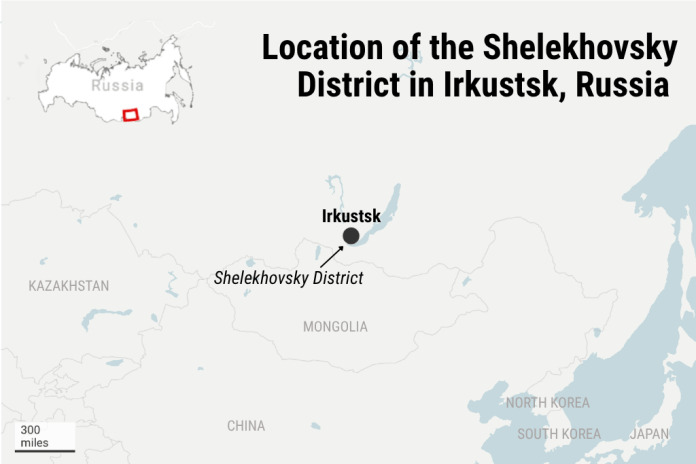
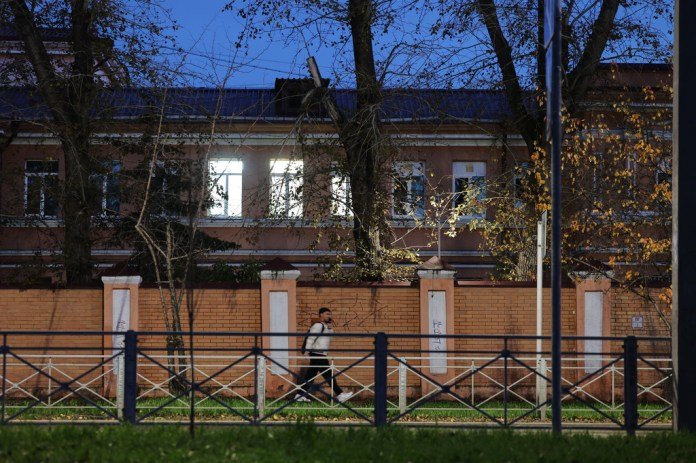
The World Health Organization said Wednesday it doesn’t know what caused the death, and pressed Moscow for more details after the woman, a lab technician at the Irkutsk Anti-Plague Research Institute, died Oct. 2. Rospotrebnadzor, Russia’s public health regulator, responded Thursday that no case of plague has been registered in the Irkutsk region. Rospotrebnadzor also denied rumors that a second person had become infected with the plague, denouncing “fake information circulating on social media regarding a second case of illness.”
The watchdog said the woman died of “pneumonia of unknown etiology,” but said “extensive” testing found no evidence her illness was caused by any of the pathogens she worked with. It said that no relevant pathogens had been found in anyone who came into contact with her.
The Trump administration is monitoring the situation but has downplayed any possible threats, despite the WHO’s continued push for data.
The U.S. State Department has requested more information from Moscow regarding the death. The Centers for Disease Control and Prevention said Tuesday that there is “no indication of a broader threat” to the United States. CDC Director Erica Schwartz said Wednesday the risk to the U.S. from an unconfirmed pneumonic plague case in Siberia was extremely low. President Donald Trump said the same day he doesn’t believe the death was caused by a bioweapon, expressing confidence Russia has the situation “very much under control.”
“They’re sharing [information] a little bit with our people. We expect them to share it a lot with our people,” Trump told reporters in the Oval Office.
The pneumonic plague pops up now and then, but has been largely subdued after gaining notoriety in the early 1900s, when it killed thousands of people in China’s Manchurian Plague.
Rospotrebnadzor said this week that no cases of plague had been detected among anyone who had come into contact with the deceased worker, Darya Shipilova, announcing that it is winding down precautionary measures because there is no risk of an epidemic.
The watchdog said that 90% of those placed in quarantine had been released after nearly 5,000 lab tests had failed to detect any dangerous pathogens. Around 200 people were initially reported to have been placed in quarantine.
“A comprehensive set of anti-epidemic measures was immediately organised and implemented in full in accordance with public health legislation,” the watchdog said. “This included identifying the widest possible circle of individuals who had been in contact with the patient and arranging for them to be placed under medical observation in hospital with daily laboratory tests.”

STATE DEPARTMENT REQUESTS ADDITIONAL INFORMATION FROM MOSCOW ON PLAGUE SCARE
WHO Director-General Tedros Adhanom Ghebreyesus again pressed Russia on Thursday for more information, reiterating a similar statement he put out on Tuesday.
“WHO has offered technical support related to plague and lab biosafety and biosecurity. As we don’t yet have the full picture of this event, we are not able to conduct a full risk assessment,” he wrote in a post to X. “Timely, complete and transparent information sharing under the International Health Regulations is essential to clarify conflicting reports and enable an accurate assessment of potential public health risks.”