

Platner’s Fatal Dependence on Party Elites
The left-populist Democrat says ‘the political establishment’ won’t let him win.
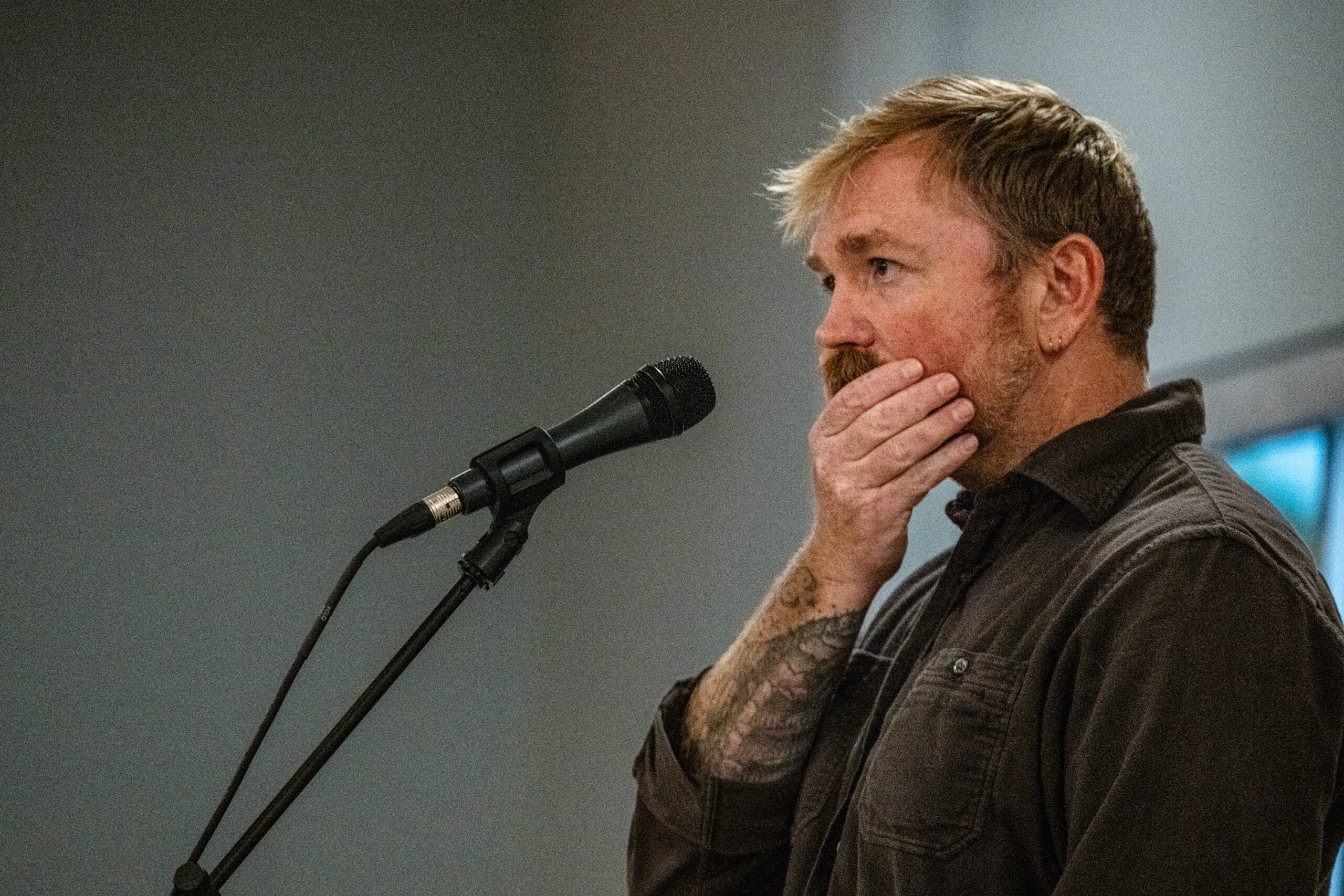
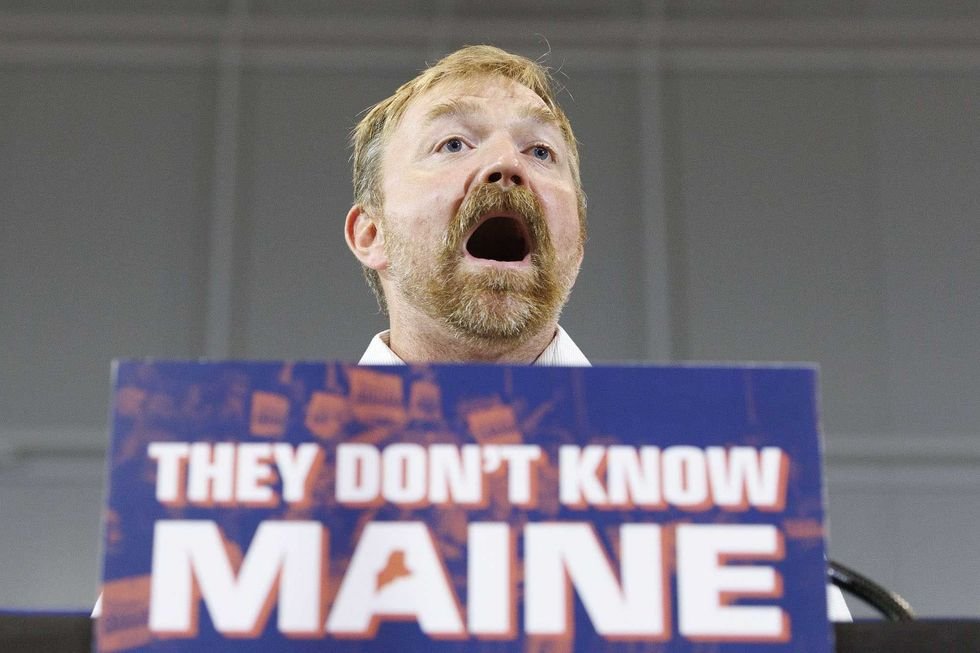
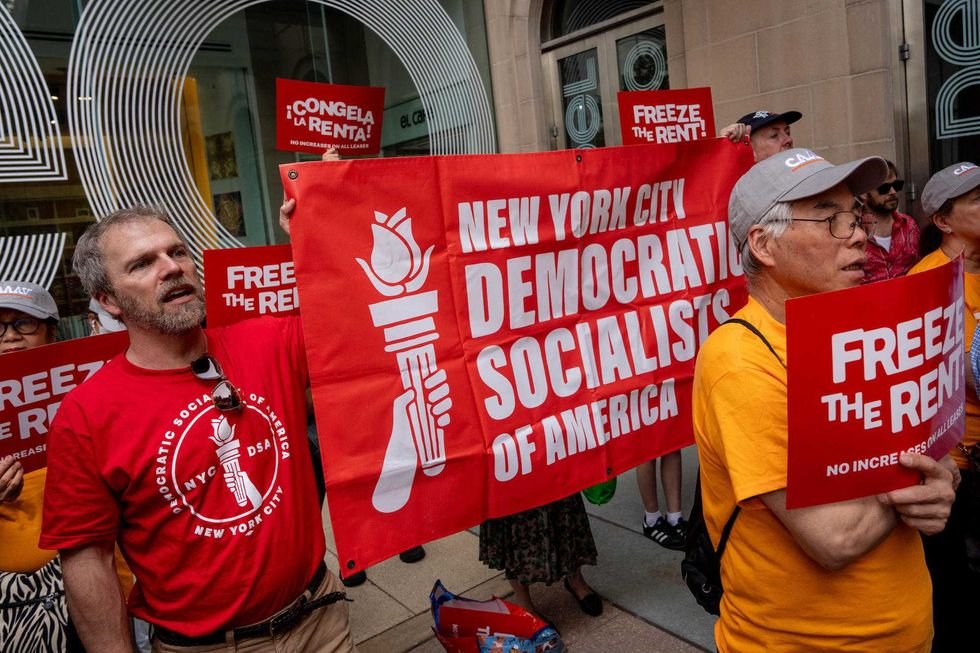
Much has been written about the socialist shooting star that was Maine Democrat Graham Platner’s Senate candidacy, which raises questions for anti-establishment political figures of all stripes.
Perhaps the biggest question is how Platner could so thoroughly rout his party’s governing class—he received nearly 72 percent of the vote against the state’s sitting governor, who was backed by Senate Minority Leader Chuck Schumer yet stopped campaigning long before Election Day due to abysmal polling—while by his own admission remaining utterly dependent on party elites in the general election.
How else are we to interpret his comments that he was ending his upstart Senate bid not because the sexual assault allegations against him were true, but because “the political establishment” and “those in power” were going to starve him of campaign funds?
“We went toe to toe with one of the most entrenched political systems in the world,” Platner declaimed. “And we won.”
But then? “The brutal political reality is that they are going to take everything away from us,” he said.
It is true that the extent to which the Democrats’ official campaign arms planned to disown his candidacy was extreme (though not unique—comparable Republican entities attempted it with embattled, ill-fated Alabama Senate candidate Roy Moore in a 2017 special election).
Nevertheless, if you are going to attempt to overthrow your party’s donor class, it would seem important to not be wholly reliant on said donors to win in November.
This is not simply to dunk on Platner, who by all accounts is both superficially talented and deeply troubled. It is a question populist conservatives are going to have to answer too.
If you cannot rely on your party’s corporate wing for campaign cash, who can you count on when push comes to shove?
A decade ago, people assumed Donald Trump would self-fund to a far greater degree than he actually did and that he would therefore not need traditional GOP moneymen or special interest groups.
While this turned out to not be entirely true, Trump did well enough with small donors and the earned—read: free—media he could obtain as a savvy celebrity to overcome any cash disadvantage he faced against Jeb Bush, Hillary Clinton, or Kamala Harris. (Though by 2024, a sufficient number of the big GOP donors had come around.)
Bernie Sanders, the most viable recent model for Platner’s politics, was similarly successful with small donors and raised enough money to be competitive despite constantly inveighing against millionaires and billionaires.
Ron Paul pioneered internet money bombs that broke single day fundraising records. That’s a lot of fiat currency!
Platner was much more of a creation of progressive political consultants than any of the above examples, who, whatever their flaws, were their own men and knew where their independent bases of support were located.
The oyster-everyman brought a certain raw personal charisma, daring, and a resume uncommon among earnest, youngish liberals, while the political strategist Morris Katz and company attempted to fill in the rest. These operatives appear to have run for the tall grass once Platner proved problematic.
Outsiders need to be housebroken before they can be let inside.
This is where Platner’s personal recklessness and unmistakable character flaws were as decisive as his dependence on others. As the deadline for him to withdraw fast approached, the nature of the accuser (no longer a Republican or anyone who could be easily dismissed as having a political motive), the nature of the accusations (detailed, reasonably well-corroborated allegations of nonconsensual sexual behavior), and the volume of the accusations (how confident could anyone be that there wasn’t more and that Republicans weren’t sitting on the worst of it) all changed.
While it would have been prudent to cut bait once given the tattoo clue, there were only so many more warnings Democrats were going to get while an off-ramp was still available.
If Platner was going to maintain his innocence, however implausibly, it was on him to power through the deadline, try to wage a competitive campaign, and watch erstwhile allies slink back into his camp.
Would the dreaded Democratic establishment really have written off the race against Susan Collins, and perhaps the Senate majority, if Platner had been able to make it look at all winnable? Wouldn’t the money have come eventually? James Talarico just raised $30 million in Texas.
Few can stomach being a pariah candidate or much of what Trump has at various points endured, especially if victory seems unlikely.
The post Platner’s Fatal Dependence on Party Elites appeared first on The American Conservative.