







On Iran, Trump Should Take the Money and Run (Again)
The war looks like a case of diminishing returns, but ending it now allows the president to claim tangible victories.
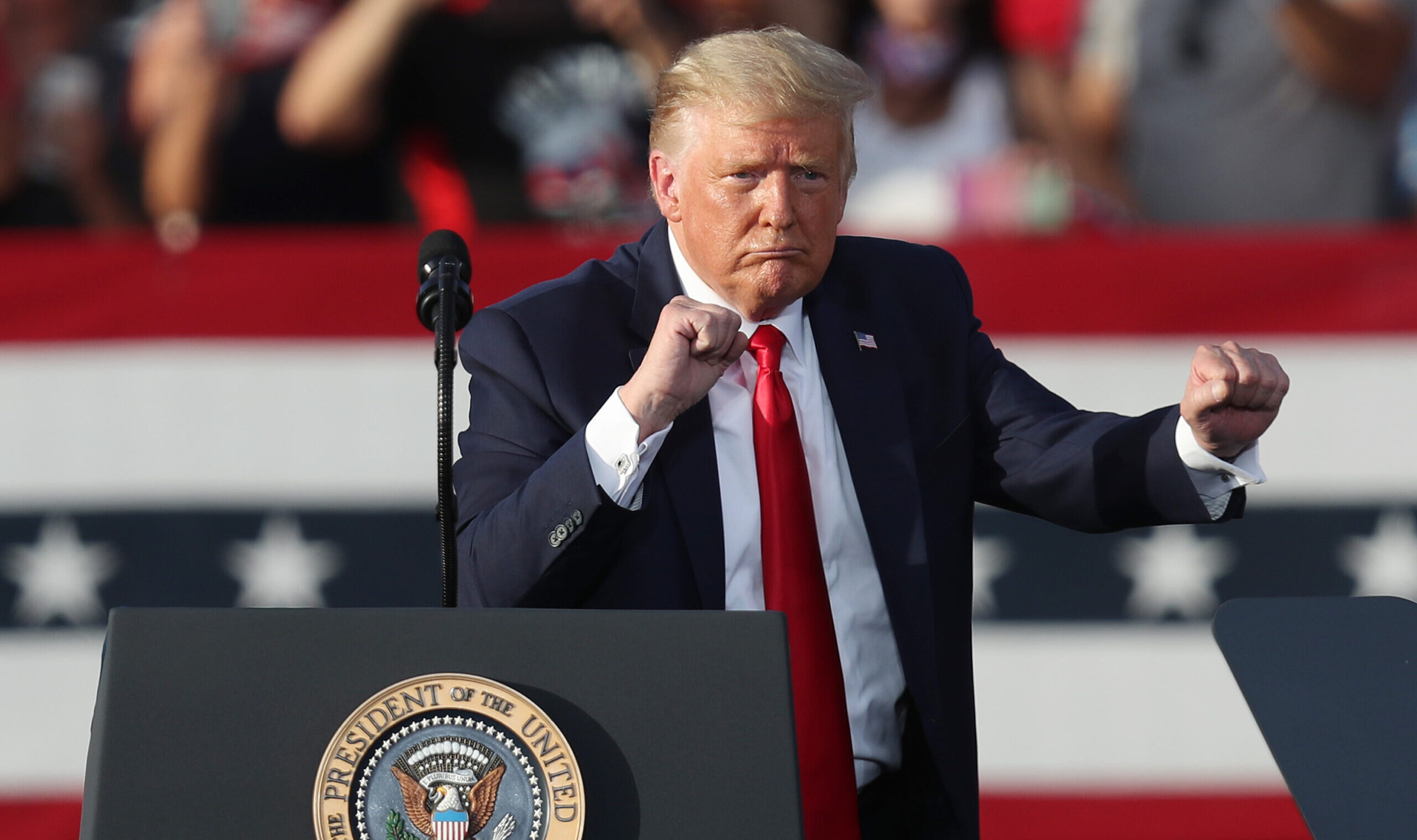
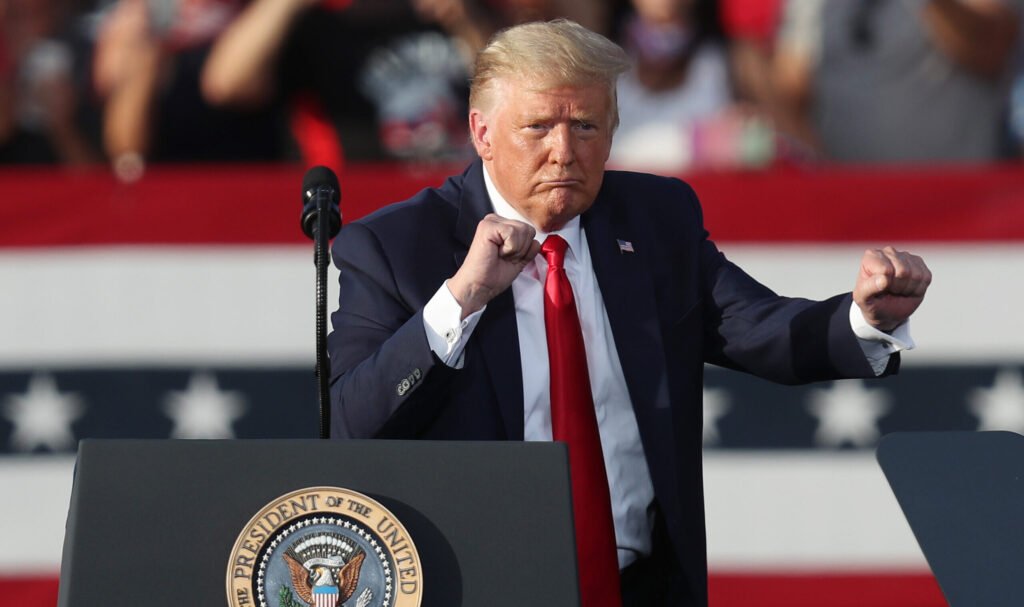
“Very complete, pretty much”—thus President Donald Trump has described the progress of the war in Iran. (Of course, in the same Monday speech, he suggested with a classic bit of Trumpian triangulation that the United States might capture the Strait of Hormuz, so your mileage may vary.) The awesome strength of American conventional arms has been on full display. The Pentagon has announced encouraging signs that Israeli and American strikes have largely degraded Iranian missile and drone capacity.
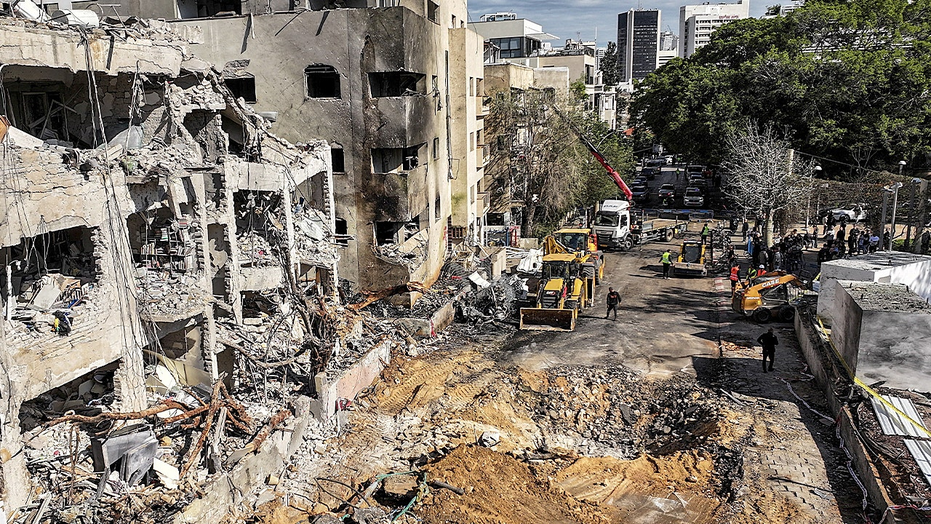
Yet costs are mounting. Interceptor stocks have been run down at an unprecedented rate, and widely circulated satellite imagery shows that Iranian missiles and drones have rendered significant damage to expensive, high-tech American defensive weapons like the THAAD system. The extent of damage to American bases is not known, but the fact that a third aircraft carrier is being moved post-hoc into the theater suggests that all is not well. A surprisingly robust showing from Hezbollah has demanded an Israeli ground response in Lebanon. The effective closure of the Strait of Hormuz has disrupted markets—clearly spooking Trump and prompting his soothing noises Monday afternoon—and, even if the war ends abruptly, it will take weeks or months for oil and natural gas supplies to return to normal. The destruction of Gulf infrastructure will also be a drag on the world economy as those nations divert capital from investments to rebuilding their own countries. While numbers are down, Iran is still launching munitions, especially drones, and scoring hits against the Gulf. There is no sign of regime collapse or change materializing from the ground.
The full military tale will not be told for some time, and the judgment of operational merits and flaws must be postponed. (What are we to make of the fact that the U.S. seemed unprepared for the scale of strikes on the Gulf? What about the fact that the timeline for establishing full air superiority over Iran grew from two days to six weeks?) Similarly, it will take time to tally the full political, diplomatic, and economic damage. (Is replacing the indecisive Ali Khamenei with his IRGC stooge son actually an improvement? Will American diplomacy have any credibility after the third episode in a year where negotiations served as cover for overt military action? Are we now committed to an expensive and unstable strategy of “mowing the grass”? How much have we cannibalized our own defense posture in East Asia to support this campaign?) But the challenges of the peace can be solved only after the war itself is concluded. Trump can still credibly claim to have smashed the Iranian military and put a hurting on regime leadership, keeping things in the punitive raid genre. This is spinnable; while some portion of his supporters will still have lost trust in him, he will be able to stanch the losses and win some capital with the word “victory” in other, less interventionism-skeptical quarters. If the war drags on, the ill consequences will be harder to spin away.
Of course, it does take two to tango. If Iran is still lobbing drones and the odd missile at regional targets, cutting and running is politically difficult. But if the extent of American success has not been greatly overstated, a choreographed end to the war is probably looking more and more attractive to the Islamic Republic. (Granted, the Lebanon problem is a snarl; it is plausible that Israel will continue operations against Hezbollah irrespective of the rest of the theater, which will make it politically difficult for Iran to disengage. Clients with independent interests and an outsize claim on patron responsibility are not a liability unique to the United States.) Iran has reestablished deterrence to some degree with this war—the regime did not buckle under extreme pressure, and it has maintained a credible strike capability—so its own war aims are probably close to completion. Bring on the deal.
Trump’s adaptability and responsiveness to changing circumstances are one of his great political strengths. Continuing the war, let alone launching a ground invasion, increasingly looks like a case of diminishing returns. The president seems to agree. It’s time for him to do what he’s best at: take the money and run.
The post On Iran, Trump Should Take the Money and Run (Again) appeared first on The American Conservative.