




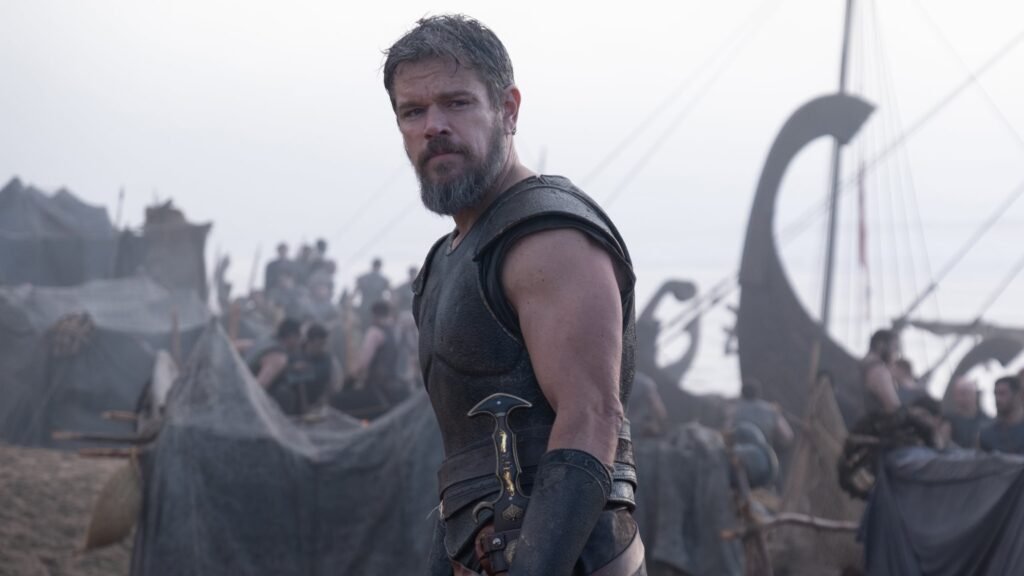
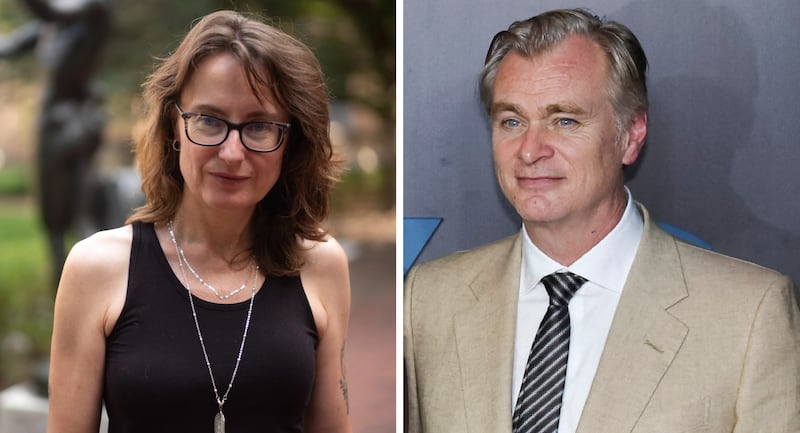
Odyssey translator Emily Wilson criticized Christopher Nolan for writing the screenplay of The Odyssey himself. Wilson, who was the first woman to translate the Homeric epic into English verse, said on NPR’s Fresh Air that Nolan’s characterization of Odysseus flattened the iconic hero.
“I do think that it would have been better if Nolan had hired a scriptwriter, because that would have solved a lot of the issues,” said Wilson, who has tattoos of a spear on one leg and a bow on the other, representing Achilles and Odysseus, respectively. “But I also think the actors are amazing; it’s a star-studded cast, and they’re doing their absolute best with the script they were given.”
“If we have a quest narrative, whether it’s in a poem, a novel, or a movie, we need to have a protagonist with detailed, believable motivation,” she continued. “He needs to want something. So the fact that these desires seem to be stripped from Odysseus—he doesn’t seem to want food, he doesn’t seem to want sex. What does he want? He wants to assuage his guilt, and that seemed, to me, rather a thin motivation—especially compared to the rich, layered characterization of both Odysseus and the other characters in Homer, but also just compared to a good movie. I would like to have deeper characterization in a film. I would like to care more.”
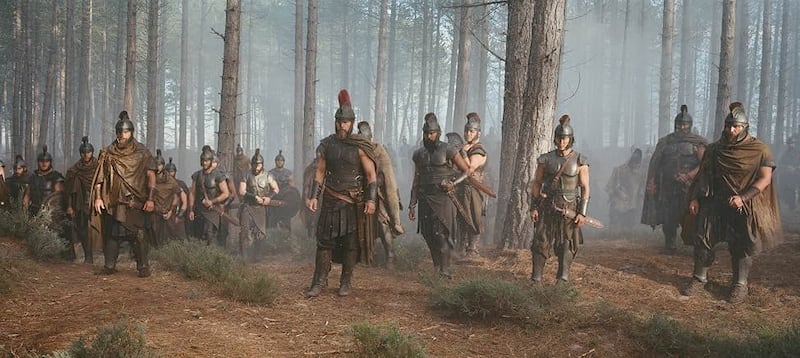
Despite Nolan citing her translation as a major inspiration for his script, Wilson published a scathing review of the movie in the London Review of Books. She wrote that Nolan recycled themes from his previous films, creating a tedious narrative rife with “grandiosity and superficiality.”
The movie is an entertaining spectacle, she said, but undeveloped where it should embrace complexity.
Wilson was particularly disappointed with Nolan’s invocation of the Gods. According to her critique, their representation in the movie was muddy, leaving audiences confused about the role of the divine in Odysseus’ journey.
She said on Fresh Air that audiences receive hints of divine intervention—like when Zendaya’s Athena responds to Matt Damon’s Odysseus’ complaint that “the Gods don’t speak in a language that mortals can understand” by saying, “Who doesn’t understand thunder? Fire? A baby’s cry?” But, according to Wilson, Nolan’s writing ignores the question of whether or not the Gods are actually driving the narrative.
“I felt the film, in some ways, wants to have it both ways,” she said. “That there’s a noise in the soundtrack, there’s thunder, so of course Zeus is there. There’s Zeus’ law, which is repeatedly invoked. Yet, it’s also very unclear. Are we actually supposed to believe in Zeus and Poseidon? Is Calypso a Goddess? Is Circe a Goddess? I would have liked a little bit more of the divine.”
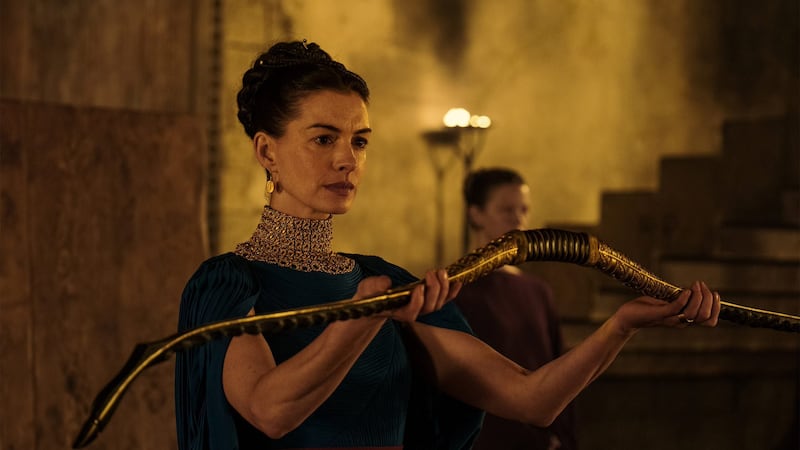
Despite her exhaustive critique, Wilson still thinks people should see the movie.
“There’s a lot to think about and talk about,” Wilson said. “And I think it’s a good time at the movies. It’s a big spectacle. There’s a lot to think about, both in terms of ‘What is this film saying about our times and about war, violence, and deception in our times?’ and also, what it’s doing with the source material.”
Wilson’s initial review received an onslaught of criticism. The classicist pushed back on Bluesky.
“You can disagree about some or all of it! I may well be wrong!” she wrote. “But it’s not ‘personal’ to analyze a film or other work of art, even negatively. Criticism is more than ‘Hurray!’ or ‘Hiss!’”
“There is a lot to say about the Nolan Odyssey movie,” she continued. “But one point that I think has not been emphasized enough is: this is a film about living in LA, as Nolan, my erstwhile British compatriot and age mate, has done for years. I gather it’s a strange place.”
Obsessed with pop culture and entertainment? Follow us on Substack and YouTube for even more coverage.