
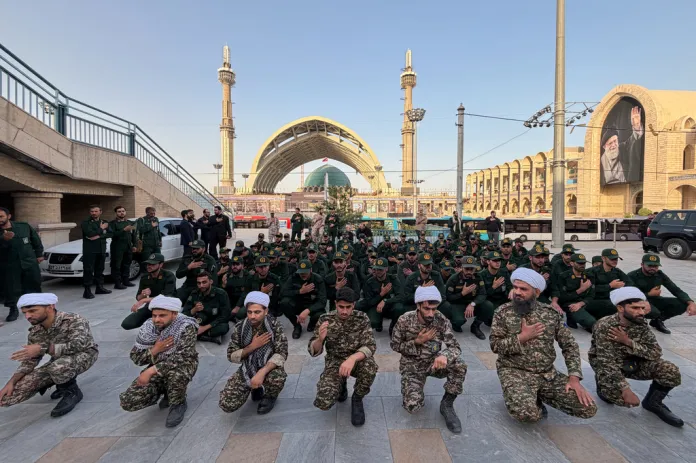
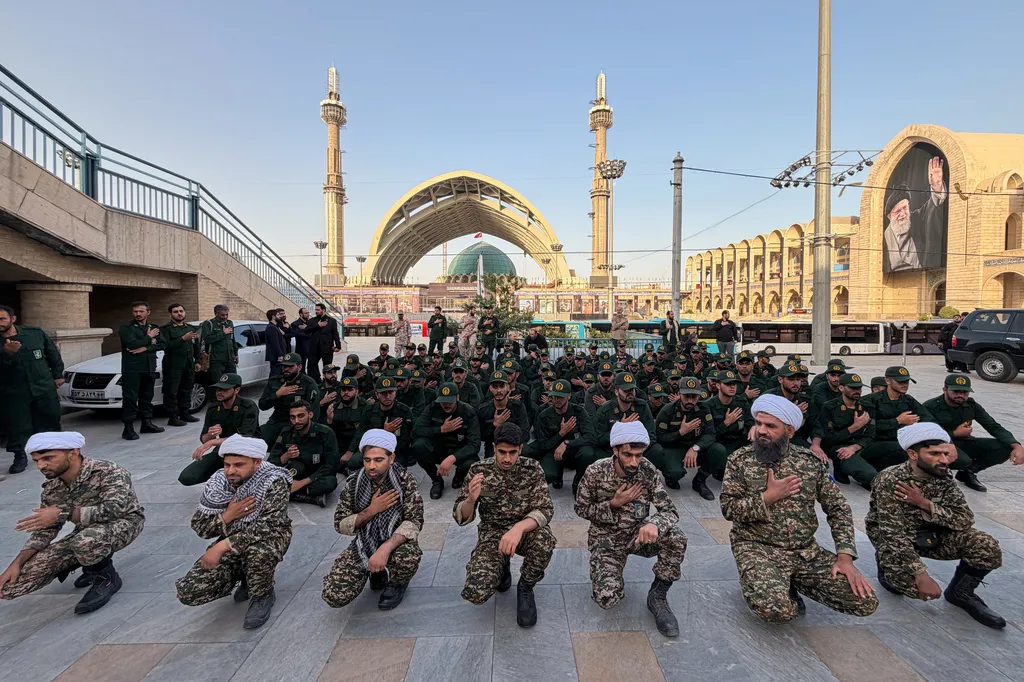
Iran launched an elaborate six-day funeral for former Supreme Leader Ayatollah Ali Khamenei on Saturday, staging a carefully choreographed display of national unity and defiance just four months after U.S. and Israeli airstrikes killed the longtime leader.
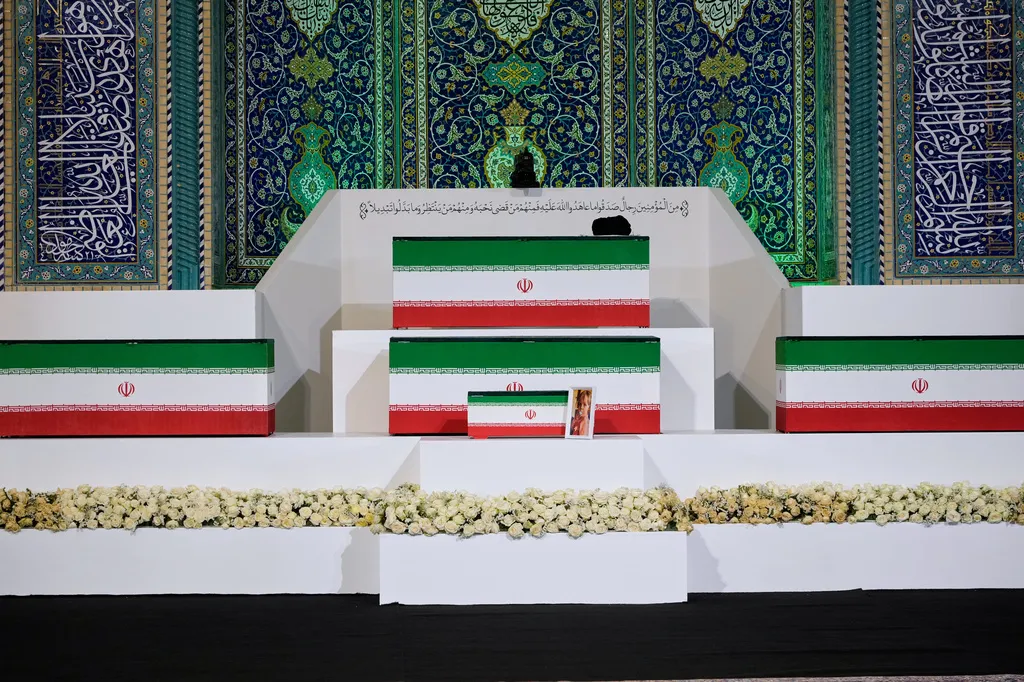
The ceremonies began after Khamenei’s body lay at Tehran’s Grand Mosalla Mosque on Friday. State media showed five caskets draped in Iranian flags, including a small coffin containing the body of Khamenei’s 1-year-old granddaughter, whom Iranian officials said was killed alongside him in the Feb. 28 strike.
The funeral comes as Iran seeks to project stability after months of war that decimated much of its senior political and military leadership. Up to 20 million people are expected to participate in the commemoration. Mojtaba Khamenei, Khamenei’s son and expectant heir, is notably absent. He has not appeared publicly since assuming power in March.
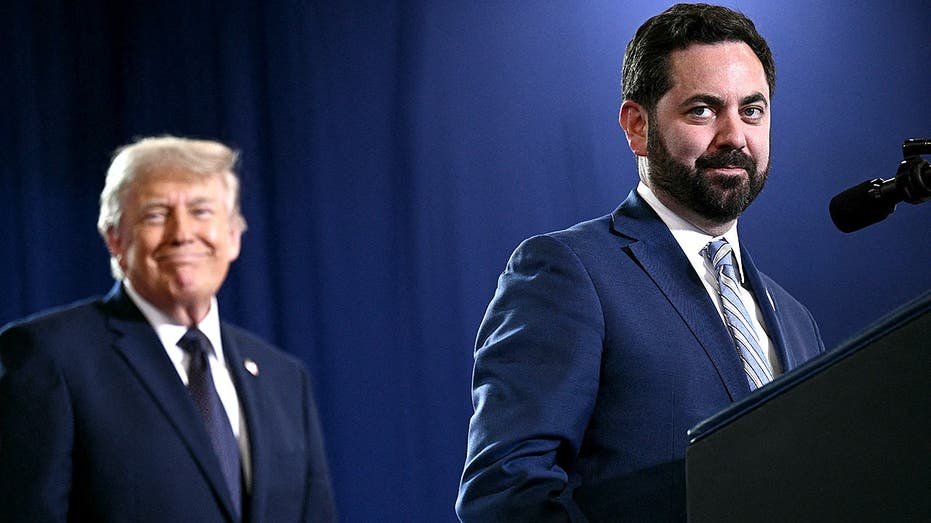
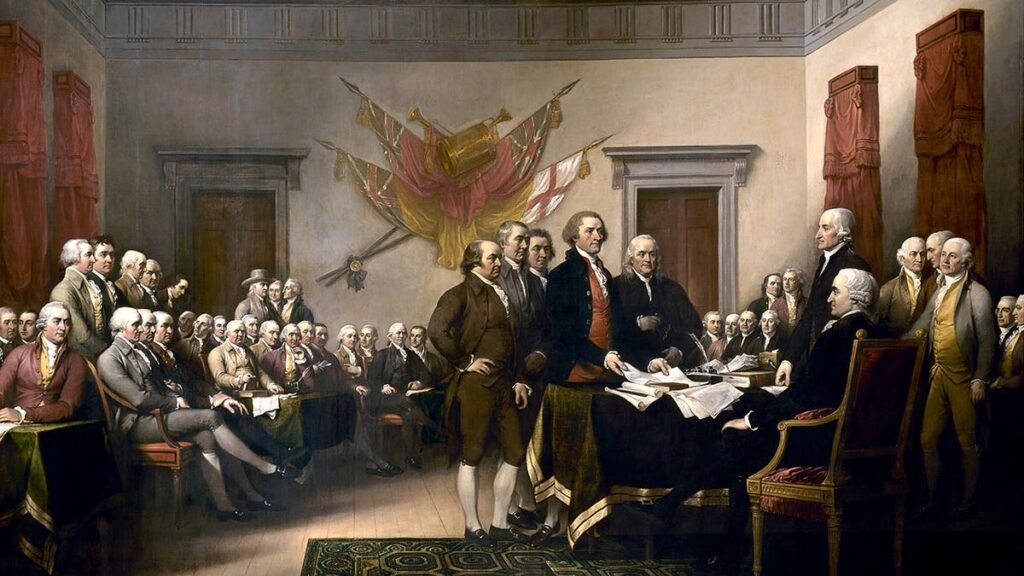
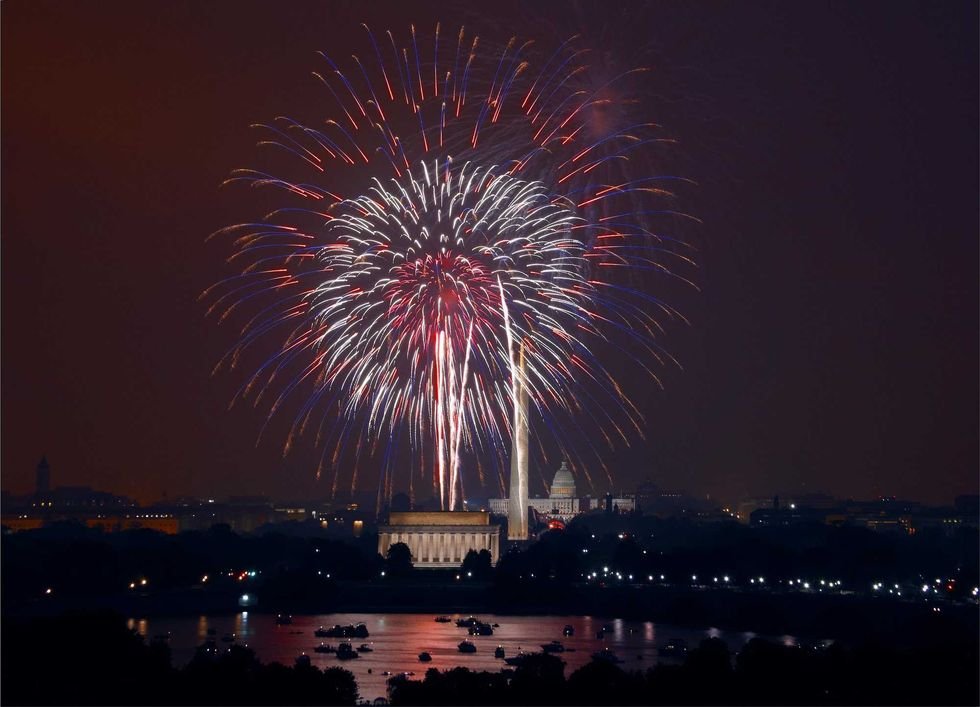
President Donald Trump referenced the funeral during remarks Friday marking the 250th anniversary of the signing of the Declaration of Independence, touting the military campaign against Iran.
“We knocked the hell out of Iran,” Trump said. “They want to settle so badly. We gave them a week off for a funeral, because we’re nice.”
Foreign dignitaries began arriving in Tehran ahead of the ceremonies, including Russian Security Council Deputy Chairman Dmitry Medvedev and senior Chinese official He Wei. Pakistan, Iraq, India, Turkey, and several other countries also sent representatives. Over the coming days, the funeral is expected to double as a diplomatic summit for many of Iran’s remaining international partners, with Pakistani Prime Minister Shehbaz Sharif, Tajik President Emomali Rahmon, Armenian Prime Minister Nikol Pashinyan, Georgian President Mikheil Kavelashvili, Turkish Vice President Cevdet Yilmaz, and officials from Bangladesh, India, and Afghanistan’s Taliban government expected to attend.
One of the most closely watched appearances came from Gen. Ahmad Vahidi, commander of the Islamic Revolutionary Guard Corps, who had not made a public appearance in months. Iranian state media published photographs showing Vahidi participating in funeral planning meetings and sitting beside Khamenei’s casket during a private service earlier this week.
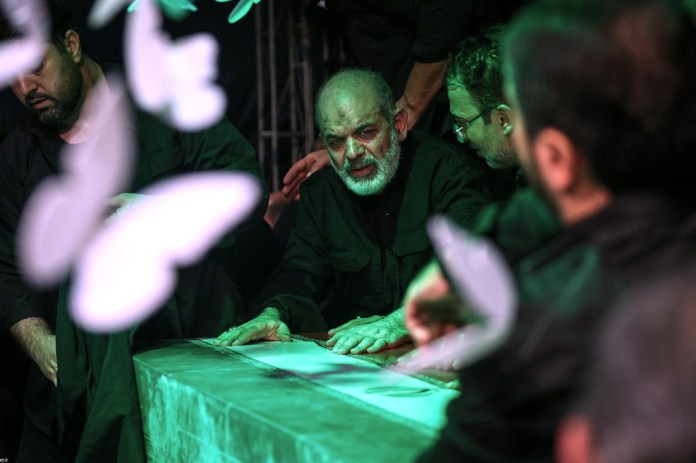
Authorities have imposed extensive security measures ahead of the massive public gatherings, setting up nighttime checkpoints across Tehran, closing roads, and deploying additional security forces amid fears of terrorist attacks or deadly crowd crushes.
The chaotic 1989 funeral for Ayatollah Ruhollah Khomeini resulted in millions of mourners overwhelming security forces in scenes that left several people dead and scores injured.
TRUMP CALLS HIMSELF ‘BEST PRESIDENT IN THE HISTORY OF ISRAEL’ AMID NETANYAHU TENSIONS
Businesses across Tehran closed in the days leading up to the funeral as crowds poured into the capital.
While Iranian leaders have cast Khamenei’s funeral as a symbol of national strength, the country continues to grapple with economic hardship, lingering public discontent, and an uncertain political future.