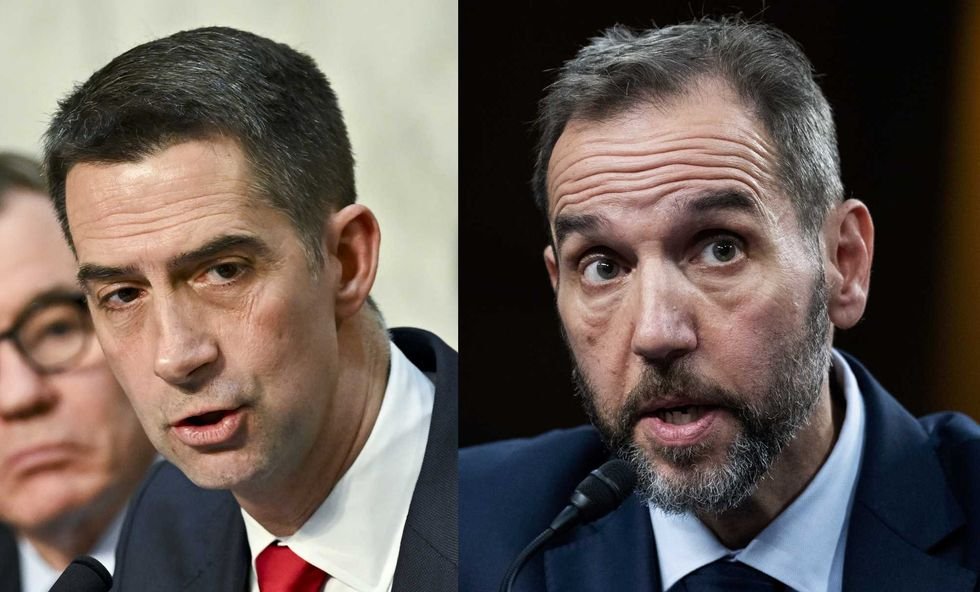



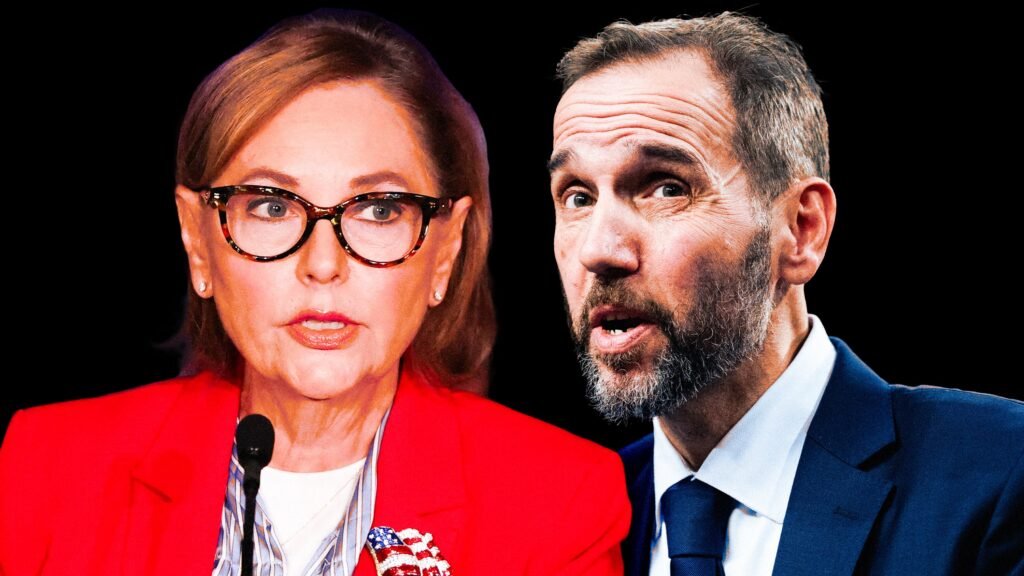
Sen. Darline Graham laid into former special counsel Jack Smith for obtaining her brother’s phone records as part of his investigation into Donald Trump but cut him off when Smith pointed out that Lindsey Graham rejected Trump’s election lies.
It came as Smith was testifying before the Senate Judiciary Committee on Capitol Hill on Tuesday about his investigation into Trump.
The late senator, who died unexpectedly in July at age 71, was among the Republican lawmakers who Smith secretly collected electronic data on during his probe into Trump’s effort to overturn the 2020 election and had repeatedly expressed outrage over it before his death.
Smith on Tuesday explained that Graham likely would have been a witness in the case, but his sister fumed that the former special counsel should be ashamed of himself.
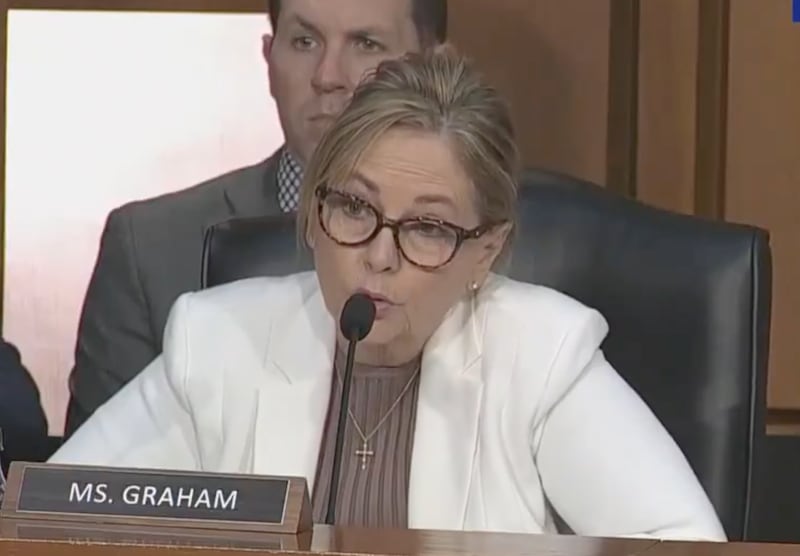
“So Mr. Smith, do you really believe that Lindsey was going to destroy evidence that was not even in his possession?” Graham asked.
“No, I believe your brother was a patriotic public servant. He was not a target of our investigation, and in fact, he likely would have been a witness in our case,” Smith said. “Your brother investigated the claims that Donald Trump was making. He found them to be false.”
But the senator cut him off to continue her line of questioning, grilling him on why the gag order said disclosing the subpoena for records would result in the destruction of or tampering with the evidence.
“Disclosure of that subpoena could result in Donald Trump attempting to intimidate witnesses as he had before and after,” Smith explained. “We had an ample basis for that.”
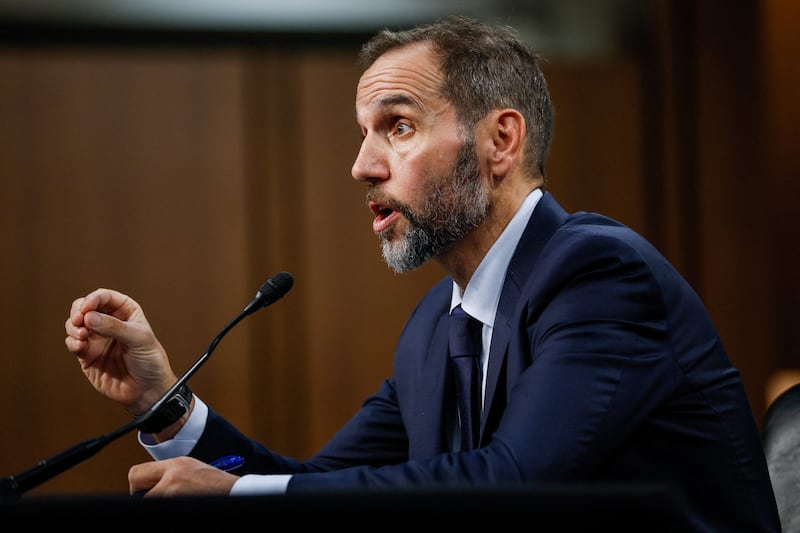
Graham ignored his response about witness intimidation and said it made “absolutely no sense that anyone would be able to destroy the evidence you were seeking,” since Verizon had it.
“Do you know what I think? I just think you were trying to bully my brother and other allies of President Trump. You caused my brother and a lot of other senators a lot of stress, and that makes me sick,” she claimed. “You should be ashamed of yourself.”
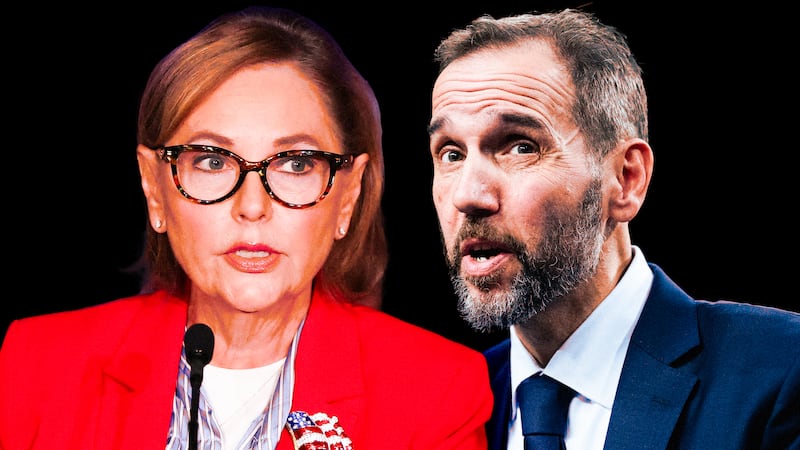
She claimed he went after Trump and his allies, “including Lindsey,” and called it a “disgrace to our Justice system and the Constitution that you would stoop this low.”
Graham was one of several GOP senators who used their time during the hearing to express outrage over the special counsel subpoenaing phone records as part of the investigation into the president.
Sen. Ted Cruz also ripped into Smith for the move, which included Republican lawmakers and groups in the January 6 probe. The subpoena included records of GOP lawmakers’ calls and who they spoke with, but not the calls’ content.
At one point, Cruz accused Smith of engaging in a massive fishing expedition and pointed out that about 20 percent of Republicans in the Senate had records subpoenaed.
“Do you have any evidence whatsoever to believe that I and 20 percent of the members of Republicans in the Senate will engage in destruction or tampering with evidence and intimidation of potential witnesses?” Cruz asked.
“No, we had powerful evidence that Donald Trump and his associates would,” Smith said.
“Am I Donald Trump?” Cruz asked.
“You are not, sir,” Smith said.
“Are the members of the Senate Donald Trump?” Cruz asked.
“No,” Smith said.
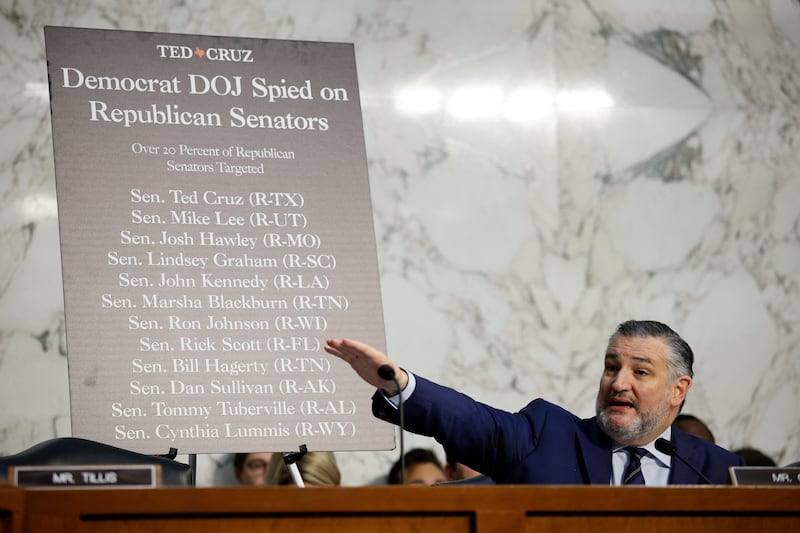
That’s when Cruz asked if the order for records was directed at Trump, but then cut off his full response.
Eventually, the Texas senator gave Smith the floor to explain why he subpoenaed the records, which he said was not about Republican senators destroying evidence but about Trump.
“We had a strong reason to believe that Donald Trump would destroy evidence,” Smith said.
“That was not directed at Donald Trump,” Cruz cut in. “It was stated disclosing it to members of the Senate.”
“No, it was stated to disclosing it to anyone, and we do not have to wait for someone to be injured, for an investigation to be obstructed,” Smith said. “We had strong reason to believe that Donald Trump would obstruct our investigation given the obstruction alleged in the Florida indictment, given the attempts to intimidate witnesses in the election case, given the threats that were later made to witnesses in the election case.”