



Companies Are Skeptical of Venezuela’s Oil Fields
Multinationals with existing investments in the region are happy, but new investment may be hard to come by.
Almost the moment Venezuela’s ex-President Nicolás Maduro began cooling his heels in an American jail cell, President Donald Trump announced that the United States would be taking over Venezuela’s oil resources for pleasure and profit.
“We’re going to have our very large United States oil companies, the biggest anywhere in the world, go in and spend billions of dollars, fix the badly broken infrastructure, the oil infrastructure, and start making money for the country,” he said in his address to the nation after the raid on Caracas and Maduro’s capture. This month, with the issuance of a set of licenses for Venezuelan oil exploitation, the U.S. has begun laying the foundation for that process, but the prospects of a revival of the Venezuelan oil industry remain murky.
American management of Venezuela’s oil was a top priority for the Trump administration post-Maduro. The U.S. sold the first batch of Venezuelan oil on January 14, less than two weeks after Maduro’s capture, for $500 million. Initially, those funds were being held in accounts in Qatar to avoid potential seizure by Venezuelan creditors; now the U.S. has set up a Treasury account where they are deposited. Such sales have already topped $1 billion and will continue to grow as American management of Venezuela’s oil proceeds. The funds from the oil sales will be used “for the benefit of the Venezuelan people at the discretion of the U.S. government,” according to an official speaking to Reuters.
In practice, the U.S. is using its control over the oil fields as another lever of control over the rump Delcy Rodriguez government, which is heavily dependent on oil exports for revenue. The U.S. has paid out the $500 million in initial oil sales to the Venezuelan state—but that money could easily stop flowing if the U.S. decides it is unhappy with the way the Venezuelan government is managing the country.
But the U.S. is using that control as a carrot as well as a stick. Those oil revenues have the potential to increase significantly if the government cooperates with American priorities. Part of the Trump administration’s plan for transitioning Venezuela into a more productive and stable nation is the renovation of its crumbling oil fields, which have suffered decades of neglect and underinvestment as a result of the economic mismanagement of the Chávez and Maduro governments.
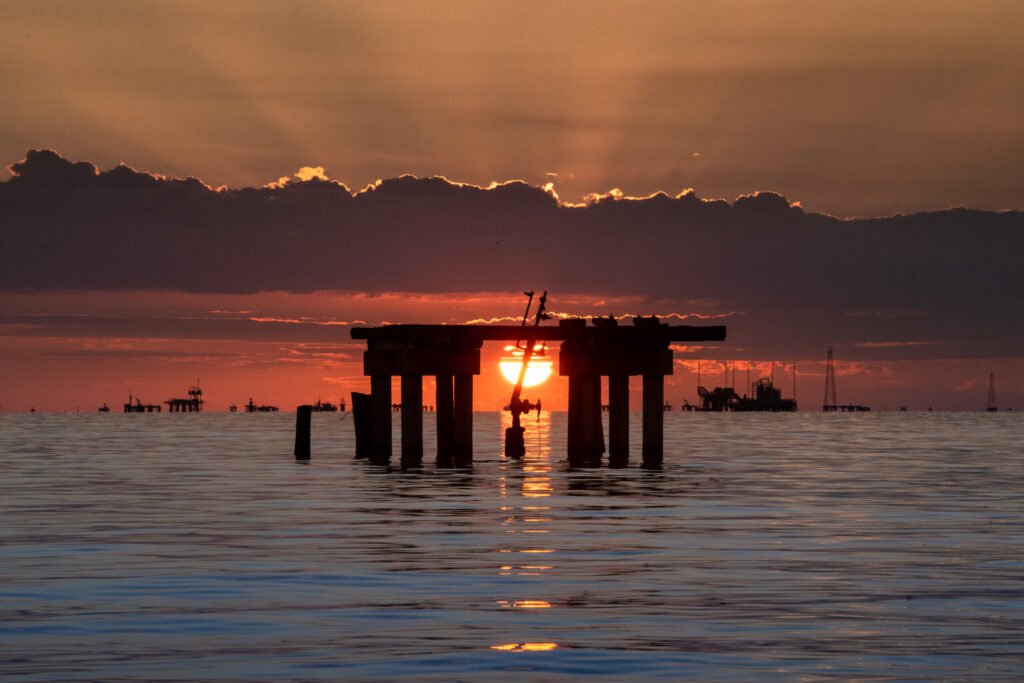
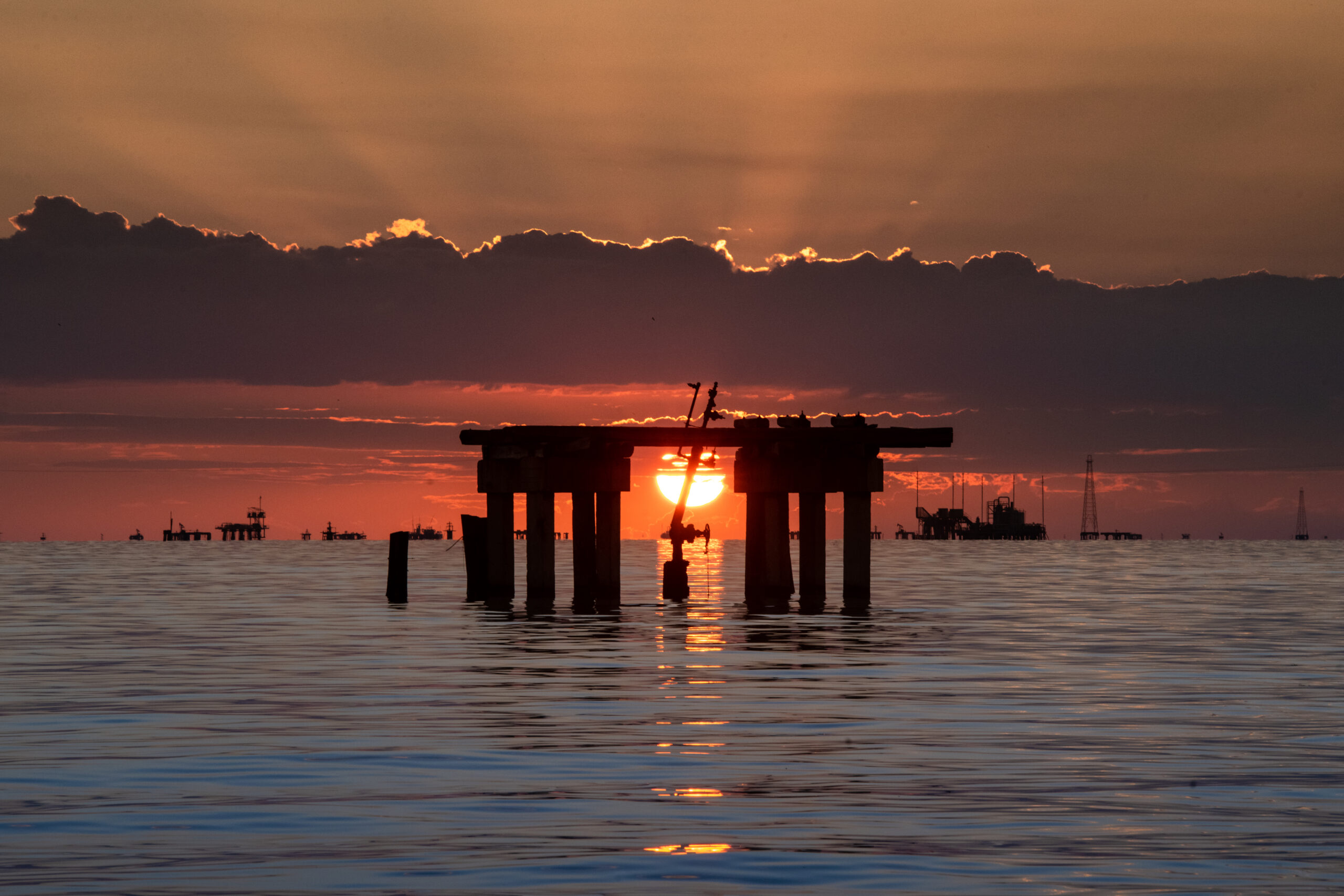
That will be an expensive project. Hundreds of billions of dollars will need to be sunk into renovating rigs, tanks, pipelines, and other infrastructure. Export terminals will need to be upgraded to handle the increased output, and the shipping channel in Lake Maracaibo will have to be dredged; years of accumulated sediment have all but clogged the route and made navigation hazardous. Another significant investment will be the construction of plants to process Venezuela’s viscous, low-quality crude into a product usable by refineries.
On February 13, the Trump administration announced that it had officially begun the process of opening up the Venezuelan oil fields to commercial exploitation by issuing General Licenses 49 and 50 from the Office of Foreign Assets Control (OFAC), granting licensees a limited exemption to American sanctions on Venezuela.
GL49 is the most important of the new licenses in the long-term, allowing companies to enter into new, contingent contracts with the Venezuelan government and its state oil company Petróleos de Venezuela, S.A. (PDVSA) and subsidiaries, conditional on subsequent approval from the U.S. government. This will allow a general expansion of the American energy sector into Venezuela—if the U.S. can find sufficient commercial interest in the project.
GL50 has the largest immediate impact, however. This license was granted to a set of multinational oil corporations with existing operations in Venezuela to allow them to resume full operations unencumbered by American sanctions. Of these companies, only one, Chevron, is American. The others—BP, Repsol, Eni, and Shell—are British, Spanish, Italian, and Anglo-Dutch, respectively.
At one time, multinational corporations operating in partnership with PDVSA made up the most productive sector of the Venezuelan oil industry, bringing technical expertise and investment that the Venezuelan government was unable or unwilling to contribute. The imposition of major sanctions meant that most of the partnerships essentially went dormant, as companies had limited ways to invest in the country or repatriate their earnings. But while they mostly could not drill, they were able to maintain their existing infrastructure, and they are eager to put those rigs back online and make them productive once more.
The GL50 license is already producing investments. Chevron has announced plans for major investment in the country with an aim of doubling its current production, and Repsol intends to triple its current output. For companies who already have invested heavily in the region and have significant capital investment just waiting for legal sanction to turn a profit, expansion is only logical; it’s the only way for them to make a return on costs expended long ago. Repsol, for example, is owed over $5 billion by the Venezuelan government—a debt it will only recoup by drilling.
But the investments from the GL50 license will be far from sufficient to return Venezuelan oil industry to its heyday in the late ’90s, when the country was pumping nearly 3.5 million barrels per day (today it pumps just under 900,000 bpd). For that, new outside investment will be needed under the GL49—investment that so far the American energy industry has shown little interest in pursuing. ExxonMobil CEO Darren Woods called Venezuela “uninvestable” during a meeting at the White House in January, and it seems most energy companies share his opinion. No major U.S. company other than Chevron has announced any investments in the country or the intention to seek a contingent contract under GL49.
The reasons for their hesitation are easily comprehensible. The political situation in Venezuela remains highly unstable—the Rodriguez government is currently cooperating with the U.S., but the Trump administration has presented no long term plan for the country, leaving room for the breakdown of cooperation and the potential for a major confrontation if, for example, the U.S. (under this administration or a future one) presses for a democratic transition the current government is unwilling to grant. American oil companies have already suffered through two expropriations of their Venezuelan operations, they have no interest in going through the process a third time.
In addition to the risks of a conflict or state collapse, the economic situation of Venezuela is still dire and its oil infrastructure in terrible shape, meaning that very large capital expenditures will be necessary for the extraction of a subpar grade of oil. With oil prices already relatively low, companies are looking for higher-margin investments with a lower up-front cost.
While Trump’s seizure of Venezuela’s oil fields will relieve some of the worst symptoms of its mismanagement over the years, it’s unlikely to produce a major boom—for Venezuela or for the American oil industry.
The post Companies Are Skeptical of Venezuela’s Oil Fields appeared first on The American Conservative.