


It was 9:21 p.m. on December 10, 2024, when police officers were called to a London bar, just a nine-minute walk from Buckingham Palace, where some 50 members of the royal household, fresh from an early-evening reception at the palace, had decanted for a Christmas party.
By the time officers arrived, glasses had been smashed and a punch aimed at a senior courtier. A 24-year-old woman, reported to be a housemaid, was arrested on suspicion of common assault, criminal damage and being drunk and disorderly. She spent the night in a cell and was left with a penalty notice.
One witness told British newspaper The Sun they had never seen anyone get that “crazy” on a night out. The palace, at pains to stress this was “not an official Palace Christmas party,” promised a “robust disciplinary process.”
Now, The Times reports that the palace had separately brought in the charity Alcohol Change UK to run an alcohol awareness course for household staff, teaching them how to deal with colleagues who are under the influence at work. The sessions covered “mindful drinking” and “grey area drinking” (too much, but not quite dependent).
Nobody familiar with the palace will be surprised it was thought necessary. The place, as one former member of the household put it to The Royalist, is “awash with drink.” Between the state banquets, receptions and garden parties there is a near-limitless supply of open bottles, and anyone who wants one can find one.
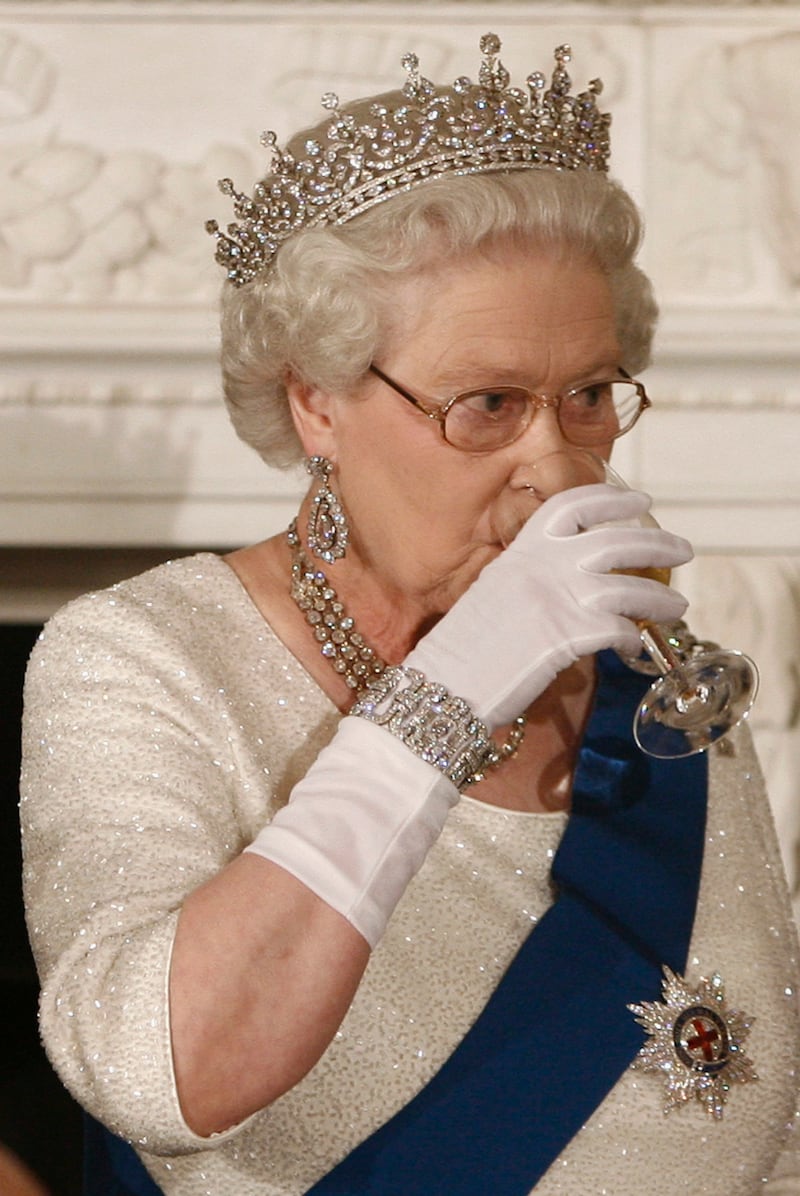
The staff bar was closed years ago because, as the late Queen’s press secretary Dickie Arbiter has said, too many people were turning up for work “worse for wear.” Paul Burrell, former butler to Princess Diana, called it “the gin palace” in last year’s memoir, with footmen carrying kettles full of gin and senior staff having him refill tonic bottles with the spirit for parties in their rooms. At the biennial staff party, then paid for by the Queen, “the champagne flows like water,” one royal employee told The Sun in 2010; the Queen would take the floor with a footman and Prince Philip would waltz with a maid.
The staffers are following the example set upstairs; The British monarchy has been on the sauce for centuries. Queen Anne was “Brandy Nan” to her subjects. George IV was so drunk at his wedding to Caroline of Brunswick on April 8, 1795, that his groomsmen had to hold him up; Caroline recorded that he passed the greater part of the bridal night on the floor, where he had fallen and where she left him. Queen Victoria, under the tutelage of John Brown, took her claret laced with whiskey.
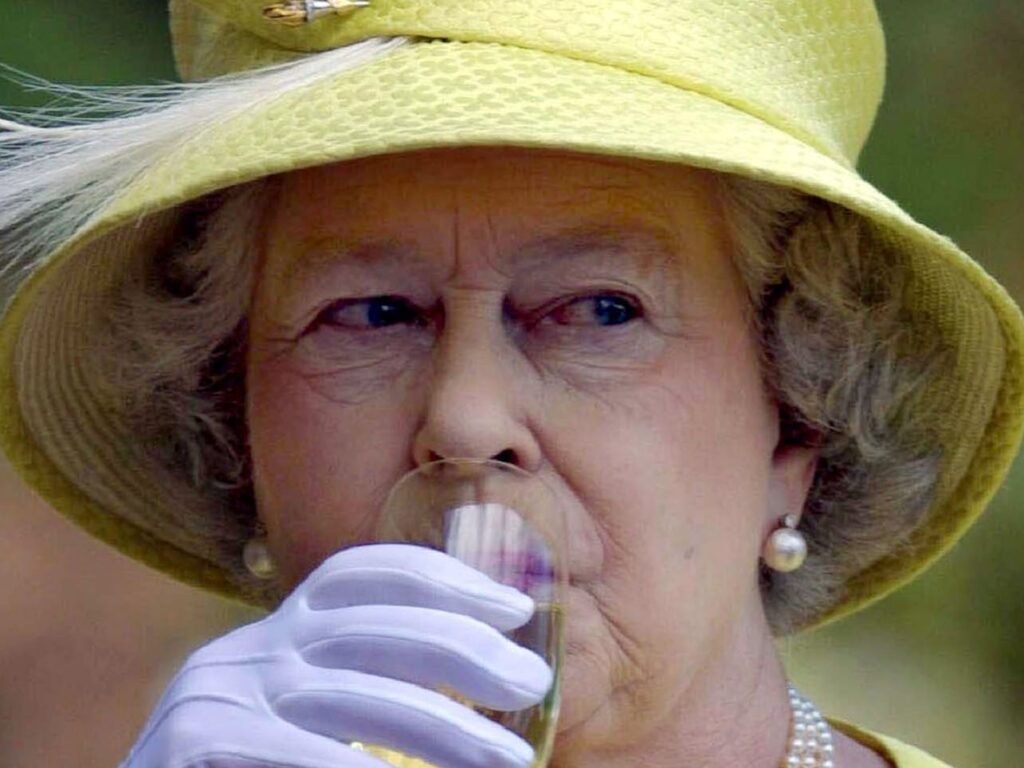
Netflix’s The Crown rarely let Princess Margaret on screen without a whisky and a cigarette holder. Was it real? Sure! The late Queen’s gin and Dubonnet before lunch and martini in the evening were also real, until her doctors took the martini away at 95.
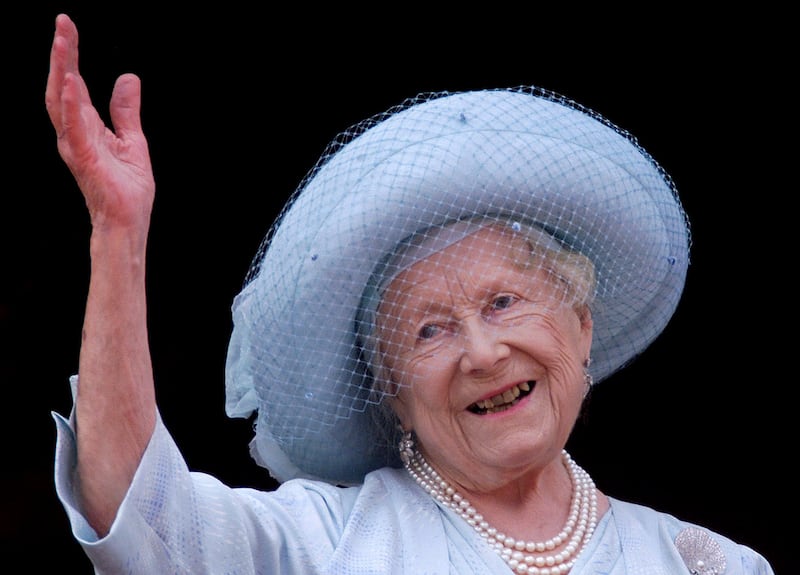
Then there was the Queen Mother, of whom the novelist and British socialite Nancy Mitford wrote that during one lunch she had two dry martinis before, wine during, and port after—with her fellow diners exhausted as they tried to keep up.
(When the Queen asked for a second glass of wine at one lunch, her mother is supposed to have replied: “Is that wise, my dear? You know you have to reign all afternoon.”)
When a biography claimed she had been drunk and “dotty” for much of her last two decades, the palace rebuttal, via her niece Margaret Rhodes, amounted to correcting the drinks order: she rarely touched gin and tonic, preferring a gin martini she mixed herself.
I think we can safely say that an alcohol awareness course is likely to have proved about as effective as a lecture on republicanism, even without fisticuffs at the pub.
Want more royal gossip, scoops and scandal? Follow all Tom Sykes’ reporting at The Royalist on Substack or listen toThe Royalist podcast on YouTube.