






Cristina Ozores
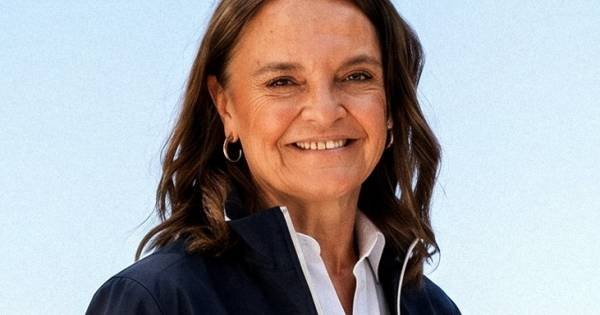
Breaking Travel News speaks exclusively with Cristina Ozores, marine conservationist, National Geographic Educator and newly appointed Godmother of Explora Journeys’ EXPLORA III. Drawing on more than two decades of experience in marine education and conservation, Ozores discusses her lifelong connection to the ocean, the importance of protecting the Mediterranean’s Posidonia seagrass meadows and the growing pressures of tourism on fragile marine ecosystems. She also reflects on her partnership with the MSC Foundation, the environmental responsibilities of the luxury cruise industry and how EXPLORA III can become a platform for ocean education. Looking beyond the ship’s naming ceremony, Ozores shares her ambition to inspire a new generation of ocean advocates and create a lasting legacy for marine conservation.
BTN: You have spent more than two decades working in marine education and conservation. What first drew you to the ocean, and when did you realise protecting it would become such a central part of your life?
I think my connection with the ocean started long before I understood it. In the 19th century, my ancestors moved from Catalonia to northern Spain looking for new opportunities. They started a canning business and became involved with fishing fleets, so the sea was already part of my family history and a way of life.
Some of my first memories are of running behind tractors full of fish and picking up the sardines that fell to the ground. At the time, I thought I was simply playing. Years later, I realised I was also learning — about the ocean, fishing traditions and the communities whose lives depended on the sea.
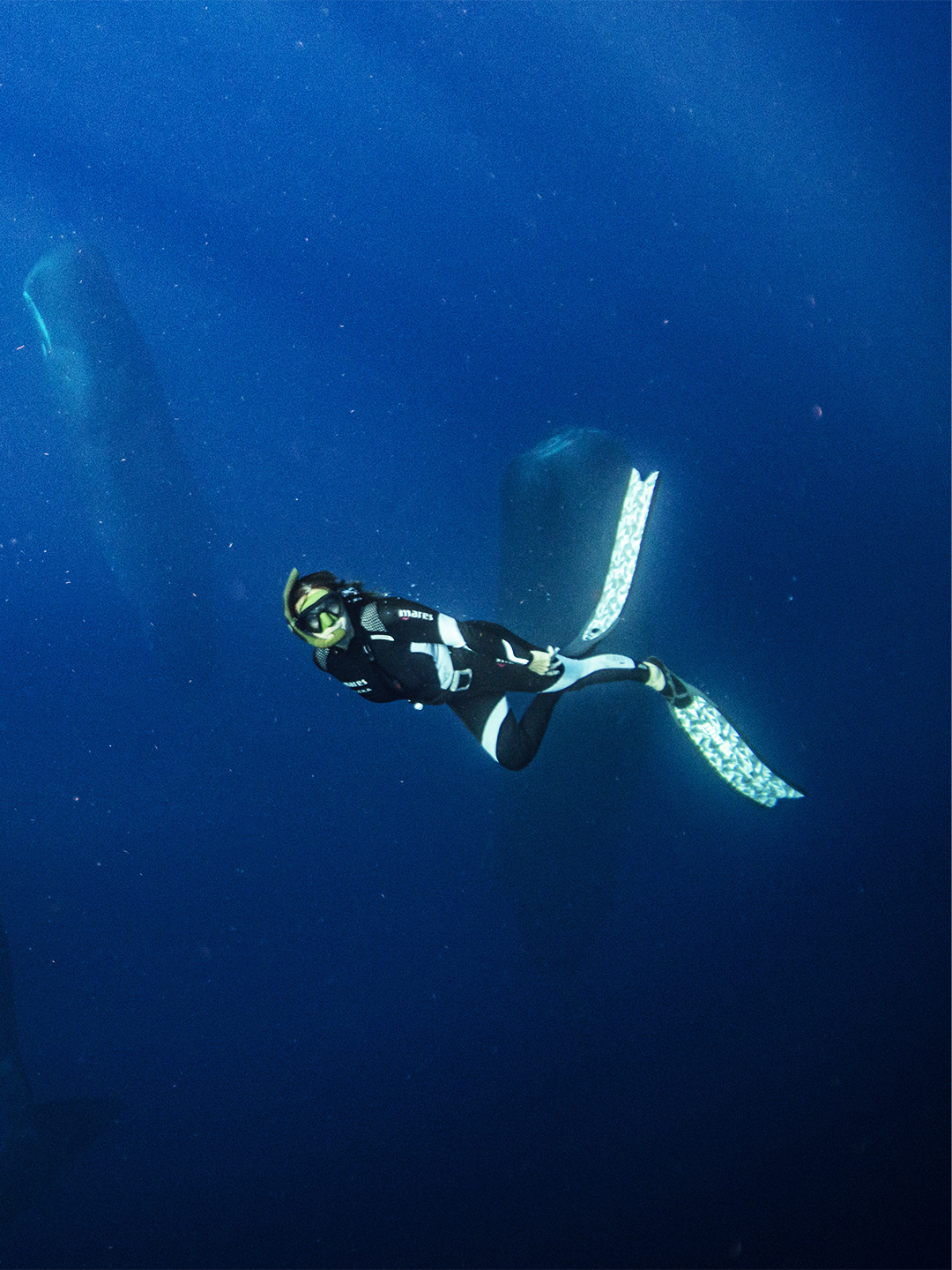
Then I discovered a completely different ocean. I put on a mask and snorkel and looked beneath the surface. I was fascinated. There was another world down there, full of beauty and things I didn’t understand. That all awake me curiosity.
Later, diving took that connection much further. It was another way of moving, breathing and observing. And when I began teaching others to dive, I realised something very powerful: the ocean can change people. Seeing marine life underwater for the first time can completely change the way you think about the sea.
After many years of living and working in Formentera, I started to see the changes happening underwater — the increasing pressure on our coastline, the loss of marine habitats and, especially, the vulnerability of our Posidonia meadows, a marine plant.
We have something truly extraordinary here: a living marine ecosystem recognised as World Heritage, and one of the longest-living organisms on our planet.
Seeing these changes with my own eyes made conservation very personal to me. It was no longer something happening somewhere else. It was happening in the sea I love, in the place I call home.
I understood that protecting the ocean couldn’t only be about science or conservation projects. Education had to be part of it. I wanted to give other people the opportunity I had been given: to discover the ocean, to understand it, to feel the happiness it can bring and, naturally, to want to protect it.
That has become one of the most important ideas in my life: we protect what we understand, but above all, we protect what we learn to love.
BTN: Much of your work has been rooted in Formentera and the Balearic Islands. What have those waters taught you about the fragility of marine ecosystems and the pressures created by tourism?
Living and working in these waters for almost thirty years has taught me that marine ecosystems are incredibly resilient, but also much more fragile than they appear.
In Formentera, I have had the privilege of seeing extraordinary places underwater year after year. But I have also witnessed how quickly they can change when human pressure becomes too intense. Tourism is essential to our islands, but during the summer months thousands of people, boats and activities are concentrated in a very small area, and the sea absorbs much of that pressure.
Posidonia oceanica is perhaps the clearest example. This extraordinary marine plant, with roots, stems, leaves, flowers and fruits, forms vast underwater meadows that are essential to the Mediterranean. They provide habitat for marine life, produce oxygen, capture carbon and help protect our clear waters and beaches.
And yet, an anchor can damage in minutes what has taken decades, even centuries, to grow.
What these waters have taught me is that tourism and conservation cannot be treated as separate issues. We need tourism, but we also need a healthy sea. The real challenge is learning how to enjoy these extraordinary places without destroying the natural systems that make them extraordinary in the first place.
For me, the answer is not to keep people away from the ocean, but to help them understand it. When tourism becomes more conscious, every visitor can also become part of the solution.
BTN: Posidonia oceanica has been a major focus of your conservation work. Why is this seagrass so important, and why do you think so few travellers understand its value?
Posidonia oceanica is one of the great treasures of the Mediterranean, but also one of the least understood.
It is not an algae; it is a marine flowering plant that forms vast underwater meadows. These meadows provide shelter and nursery grounds for hundreds of species, produce oxygen, capture and store carbon, protect our coastline from erosion and play an essential role in maintaining the extraordinary clarity of Mediterranean waters.
In places like Formentera and Ibiza, Posidonia is actually part of what travellers come here to enjoy. The transparent turquoise water, the healthy beaches, the marine life — all of this is deeply connected to those underwater meadows.
And perhaps that is also why its value is so easily overlooked. Most visitors see the beautiful water, but they don’t see the ecosystem beneath it that makes that beauty possible. They may even see Posidonia leaves washed up on the beach and think they are waste that should be removed, when in reality those leaves are naturally protecting the beach from erosion.
That is why education is so important. We need to make the invisible visible. Once people understand that Posidonia is not something beneath the paradise, but one of the reasons that paradise exists, their perception changes completely.
BTN: You have spent years trying to make people care about an environment they often cannot see beneath the surface. Is one of the biggest challenges in ocean conservation simply making the invisible visible?
Absolutely. I think this is one of the greatest challenges in ocean conservation.
On land, we can see when a forest disappears, when a landscape is damaged or when an ecosystem is under pressure. In the ocean, so much of what is happening remains beneath the surface. You can look at a beautiful blue sea and believe everything is fine, while underneath, habitats may be disappearing and biodiversity may be declining.
That is why, after so many years working in marine education, I have come to believe strongly in the power of direct experience. We need to give people the opportunity to look beneath the surface — sometimes literally, through snorkelling or diving, and sometimes through education, science, images and storytelling.
For me, conservation begins with something very simple: learning to look. When you really look, you begin to understand. When you understand, you start to care. And when you care, protecting something becomes a personal choice rather than an obligation.
So yes, a huge part of our work is making the invisible visible — but also making people feel that what happens beneath the surface is connected to their own lives.
BTN: Education has always been central to your work. Why do you believe direct experience of the ocean can be more powerful than simply telling people about the need for conservation? Through Vellmarí, you have introduced large numbers of young people to marine life and conservation. What have children taught you about how we should communicate environmental issues?
Children have taught me that we sometimes make environmental communication much more complicated than it needs to be.
They don’t need to begin with statistics or with everything that is going wrong. They need to begin with curiosity. Let them touch, observe, ask questions, put on a mask and look beneath the surface. Once they discover something for themselves, the desire to protect it comes very naturally.
They have also taught me that we have to be careful not to communicate conservation only through fear. Of course, young people need to understand the problems the ocean is facing, but they also need to feel that there are solutions and that their actions matter. Otherwise, we risk replacing curiosity with anxiety.
What constantly surprises me is how quickly children make connections. When they understand why Posidonia matters, or discover a tiny organism in a drop of seawater, they want to tell their families. In that sense, children are not only students; they become educators themselves.
After all these years, they have taught me something very important: before asking a child to protect nature, give them the opportunity to fall in love with it.
BTN: You are also a National Geographic Educator. How has that experience shaped the way you tell stories about the ocean and turn scientific issues into something people can personally connect with?
Becoming a National Geographic Educator reinforced something I had already discovered through many years of working in the ocean: facts are essential, but facts alone rarely create a connection.
Science gives us the knowledge we need to understand what is happening, but storytelling helps people understand why it matters to them. National Geographic has strengthened my belief in the power of combining science, exploration, images and personal experience to bring people closer to the natural world.
When I communicate about Posidonia, for example, I don’t want people simply to remember how much carbon it stores or how many species depend on it. I want them to understand that the clear water they swim in, the beach they enjoy with their family and the marine life they discover are all connected to that underwater meadow.
I have also learned the importance of asking questions rather than simply giving answers. If you invite people to observe, explore and discover, they become part of the story.
For me, that is where education becomes powerful: when science stops being something you are told and becomes something you can see, feel and connect to your own life.
BTN: Climate change, biodiversity loss and marine degradation can feel overwhelming. How do you communicate the seriousness of those issues without leaving people, particularly younger generations, feeling powerless?
I think we need to be honest about the challenges, but not make fear the centre of the message. With young people, I prefer to start by helping them discover how beautiful the underwater world is — to feel the sea, explore it and be amazed by it.
I want them to understand that nature deserves the same care and attention we give to everything we value in our lives. When something brings us joy, we naturally want to look after it. The ocean should be no different.
For me, conservation is ultimately about creating that connection — learning that we are part of nature, and that caring for it is also a way of caring for our own happiness and future.
BTN: Vellmarí works across education, science, restoration and community engagement. Have conservationists sometimes underestimated how important people and local communities are to protecting marine ecosystems?
I really believe local communities want to be involved. People want to help, and they want to protect what is part of their home and their heritage. Many are very proud of the sea and the traditions connected to it.
But sometimes we need to be reminded of how special what we have really is. That’s why education is so important — keeping that connection alive and helping people discover and understand what them is around.
Because in the end, the more you know about your home, the more you value it, and the more you want to protect it.
BTN: Your work with the MSC Foundation includes marine education and Posidonia restoration. What makes a partnership between a conservation organisation and a major travel group genuinely meaningful rather than simply good sustainability messaging?
For me, it becomes meaningful when there are real shared values behind the partnership. A company connected to the sea also has to care about its future. They love the ocean, they understand the happiness and incredible experiences it gives us, and they want future generations to enjoy it too.
It is about giving people the opportunity to travel, navigate, discover beautiful places and create wonderful memories, while trying to do it in the best and most responsible way possible.
That is when a partnership makes sense to me: when we share the same goal — to enjoy the ocean, but also to make sure it remains healthy and full of life for the future. And when that shared commitment leads to real action, whether through marine education, supporting restoration projects such as Posidonia meadows, or helping more people understand why these ecosystems matter.
 EXPLORA III
BTN: When Explora Journeys asked you to become Godmother of EXPLORA III, did you immediately accept, or did the conservationist in you first ask some difficult questions about the cruise industry?
Yes, I had some doubts at first. I think I had some preconceived ideas about the cruise industry.
But then I started to understand what Explora Journeys was doing and how it was working to evolve its approach, including its environmental initiatives and the changes it is marking to do things better and reduce its impact on the ocean. That was very important for me.
I also live on an island, so I know we need the sea. Most of what we use comes by sea, we live from tourism, and many people reach us by sea. We cannot simply stop travelling or navigating.
For me, the question is: how can we do it better? And I wanted to be part of that change. I felt that my experience could contribute to that journey, particularly by bringing a stronger focus on marine education and helping people understand the ocean they are travelling through.
BTN: Ship Godmothers have traditionally been celebrities, royalty or high-profile public figures. What does choosing a marine educator and conservationist say about how the meaning of the role is changing?
For me, it says a lot. I am not a celebrity or a public figure — I am an educator who has spent many years working with people and the ocean.
So I think choosing someone from conservation and education gives the role a different meaning. It is not only about representing a ship, but also about representing values and a connection with the sea.
And I love the idea that education and conservation can have a place in this tradition. For me, it is a beautiful opportunity to bring the message of caring for the ocean to many more people. It also gives me the opportunity to contribute my knowledge and experience to the Explora Journeys community, and to help bring the ocean to life for people in a way that goes beyond simply seeing it from the ship.
BTN: Beyond the naming ceremony, what responsibility do you personally feel comes with being Godmother of EXPLORA III, and how active would you like that relationship to become?
I would love this relationship to go beyond the naming ceremony. For me, being Godmother is not just a title — I would like to feel connected to the ship, the people on board and, of course, the ocean.
As part of my role, I am bringing my experience as a marine educator into the journey, helping guests and young people discover what is beneath the surface, better understand the ecosystems they encounter and learn more about the places they visit. I am also contributing educational content and sharing what I have learned through my work in marine conservation, helping to create a deeper connection between guests and the marine environment.
If I can inspire even a few people to look at the sea differently, feel more connected to it and want to take better care of it, then being Godmother will have a very special meaning for me. For me, that is where the role becomes meaningful: when it creates real opportunities for learning, engagement and a greater appreciation of the ocean.
.jpg)
BTN: Explora Journeys has now given you a platform in front of travellers from around the world. What do you most want guests boarding EXPLORA III to understand about the ocean by the time they leave?
I would love them to leave feeling a little more connected to the ocean. To understand that it is not just the beautiful blue water we travel across — there is an incredible world beneath the surface, full of life, and we are part of it.
And whenever they have the opportunity, I would encourage them to put on a mask and snorkel, look beneath the surface and simply experience it. Observe, feel, enjoy and realise how connected we are to this underwater world.
Through my involvement with Explora Journeys, I hope to help create more opportunities for guests to discover that world and understand why it is worth protecting. If they leave EXPLORA III with more curiosity about the ocean, beautiful memories and a little more desire to protect it, that will make me very happy.
BTN: Could ships such as EXPLORA III become not simply ways of travelling across the ocean, but places where guests develop a deeper understanding of the ecosystems beneath them?
Absolutely. I think travelling across the ocean is a wonderful opportunity to understand it better.
There are calm days and rough days, sunny days, windy days and cloudy days. The sea is always changing, and in some way, nature is always speaking to us. We just need to learn how to observe and listen.
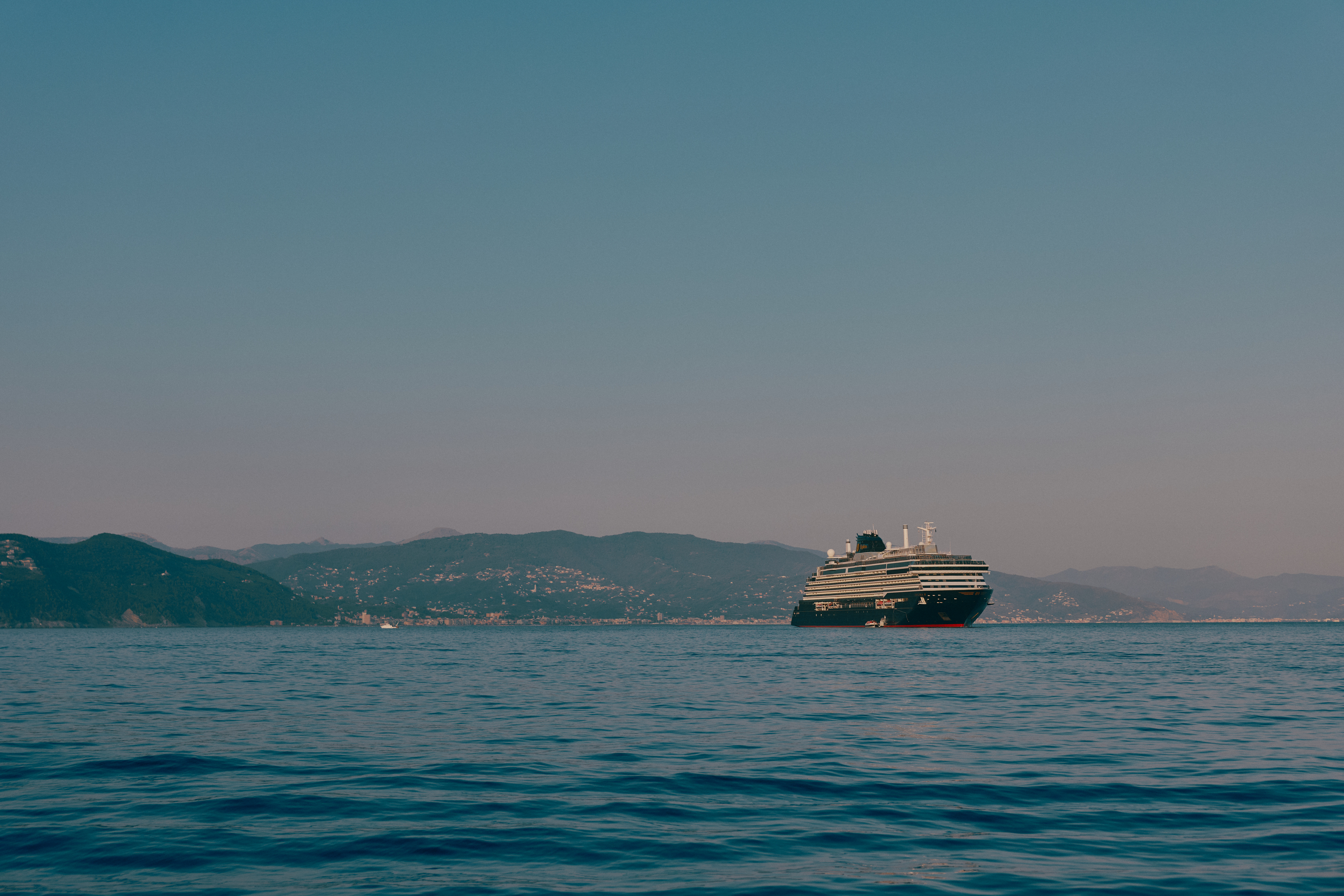
A ship like EXPLORA III gives us the opportunity not only to travel across the ocean, but to experience it — to become curious about what is happening around us and what is living beneath us.
Sometimes simply learning to observe the sea is the beginning of learning to love and protect it.
BTN: EXPLORA III is the first LNG-powered ship in the Explora Journeys fleet. How should travellers view technologies such as LNG: as meaningful progress, a transitional solution, or only one part of a much bigger environmental challenge?
I see it as part of a transition. There is no single technology that will solve everything, but I think it is important that the industry continues to invest in new technologies and explore better solutions for the future. Explora Journeys is doing that with EXPLORA III, the first LNG-powered ship in the fleet, and this approach will continue with the ships that follow.
What matters to me is that we keep moving forward — investing in better technologies, changing the way we operate and always looking for ways to improve.
Explora Journeys is also looking ahead, exploring solutions such as bio-LNG and synthetic LNG, and using shore power where it is available.
The ocean needs more than one solution. It is a journey of many changes, and the important thing is to keep making progress and never stop asking how we can do better.
BTN: Does the travel industry sometimes focus too heavily on technology when the bigger challenge may be changing how people travel, consume and interact with destinations?
technology is very important, but it is not enough on its own. We also need to change the way we travel and behave in the places we visit.
We need to respect local culture, local communities and the natural environment. Sometimes very small actions matter — for example, taking responsibility for the waste we generate during a visit and bringing it back to the ship instead of leaving it at the destination.
These may seem like small gestures, but they create awareness and set an example for others. Real change comes when better technology and better habits go together.
.jpg)
BTN: Looking ahead five or ten years, what would make you feel that your role as Godmother of EXPLORA III had created a genuine legacy for ocean education and conservation rather than remaining largely ceremonial?
For me, the real legacy would be to look back in five or ten years and see that something has really changed because of this relationship.
I would love to know that many people, especially young people, have had the opportunity to discover the ocean and feel connected to it. For example, creating experiences in some of the destinations EXPLORA III visits where young people can put on a mask and snorkel, discover what is beneath the surface, learn with local marine educators and even take part in a conservation or restoration activity.
I would also love to return to some of those place’s years later and see areas that were damaged now full of life again — places where local communities and young people can enjoy the sea, feel proud of what has been recovered and perhaps even teach others to protect it. For me, that would be a real legacy: not only restoring marine environments, but creating a new generation that knows them, loves them and wants to care for them.
Then being Godmother would mean much more than a title. It would mean that together we have given something back to the ocean.
Interviewed by Sid Thaker