







For years, the right has rented legal capacity by the hour. This week, the Oversight Project is changing that.
We are launching a new law firm led by Jeff Clark and backed by a multi-million-dollar investment from philanthropist Tom Klingenstein. Its job will be straightforward: provide rapid-response representation to people we believe are being hit with politically motivated subpoenas, investigations, lawsuits, and professional disciplinary actions — and pursue lawful remedies against those who abuse those processes.
The next time one of ours gets the subpoena, the bar complaint, the investigation, or the lawsuit, someone will be there to answer it.
In practical terms, we are building something the right has long lacked: a public-defender-style legal network for our side.
With Klingenstein’s help, the project aims to raise $10 million over two years and hire at least 15 lawyers. Clark already has a small legal team at the Oversight Project. The new firm will expand that capacity, pair it with our investigators, and build specialized expertise in constitutional, administrative, ethics, and First Amendment law.
That’s the news. The reason for it is simpler.
You are not going to get the politics and policy you want if your political allies are in jail, tied up in frivolous proceedings, fighting for their professional licenses, or going broke paying lawyers. You certainly will not get durable policy wins if people who might otherwise enter public life decide the personal price is too high.
Politics does not require everyone to become a political actor, and it should not. Most people should be able to focus on faith, family, work, and community. But some people choose to step into the public fight on everyone else’s behalf. They need a fair chance to survive it.
Lawfare threatens that. The left has learned to move political disputes from the ballot box and public square into criminal cases, civil litigation, bar proceedings, subpoenas, and investigations. It also has a much larger institutional legal ecosystem — major firms, nonprofit litigators, advocacy organizations, and in-house lawyers — capable of imposing costs and absorbing them.
The right is better positioned than it used to be. Conservative legal groups have built sophisticated litigation shops. Investigative organizations have become more aggressive. Procedural challenges, public-records suits, and constitutional litigation are no longer unusual.
But one hole remains: institutionalized capacity to represent individuals at little or no cost when the process itself becomes the punishment.
The right’s usual answer has been a legal-defense fund: raise money and pass it through to private firms billing hundreds or even thousands of dollars an hour. A few prominent figures get help. Plenty of staffers, lawyers, activists, and public servants do not.
I have seen that firsthand. A friend of mine, a young White House official, received a subpoena from the January 6 Committee and an unfriendly call from the FBI. The quotes he received merely to respond to the investigation were far beyond his means. I represented him pro bono.
RELATED: Inside Jack Smith’s Trump dragnet
Most people in his position do not happen to have a friend who can do that. We are renting legal capacity we should own.
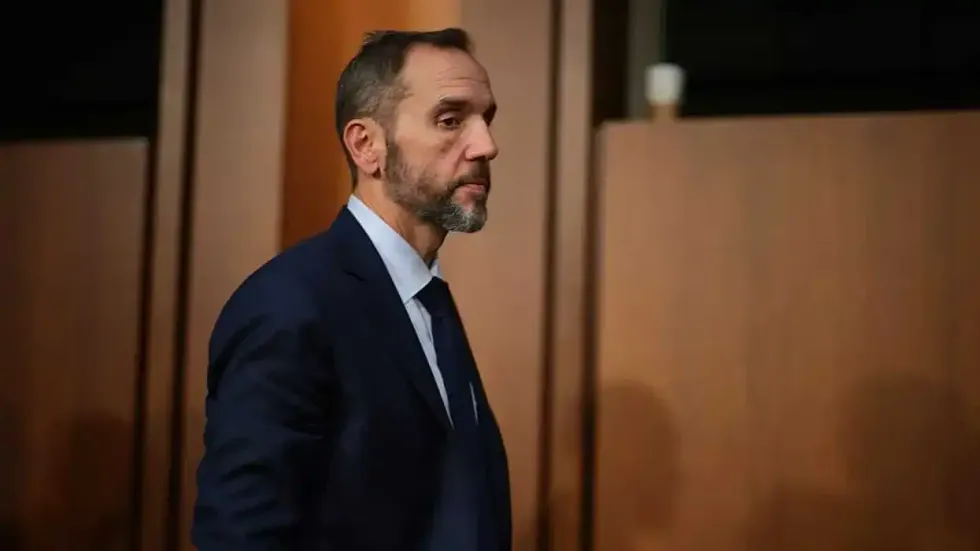
Jeff Clark understands the cost personally. He was arrested and indicted in Fulton County’s 2020 election case; those charges were later dismissed. He was swept into the federal investigation that became special counsel Jack Smith’s election case. He was subpoenaed by the January 6 Committee. And his D.C. Bar disciplinary case remains pending.
Clark knows what it costs to spend years inside criminal, congressional, and professional-disciplinary machinery. That’s one reason he is the right person to build this.
The new firm will defend clients when subpoenas, bar complaints, investigations, or lawsuits land. Salaried, mission-driven lawyers inside a nonprofit can represent far more people for far less money than a model that depends entirely on outside counsel.
Defense, however, is only half the plan.
Pairing the lawyers with Oversight Project investigators means we can also find the records behind abusive conduct and pursue damages, fees, sanctions, and other lawful consequences where the facts support them. A movement that only absorbs blows will eventually be outspent and worn down. The goal is to change the cost calculation for anyone who believes legal process can be weaponized without consequence.
That distinction is critical. This is not a license to manufacture cases against political opponents. If we become what we say we oppose, we have built nothing worth defending. The answer to abusive legal process is aggressive, lawful representation backed by evidence.
RELATED: The right needs a public defender network for lawfare
The firm will also build the next generation. We want young, hungry lawyers to get real responsibility early, work beside experienced counsel, and learn how to run cases rather than spend years carrying bags for partners. Lawyers who choose public duty over careerism should have a path to leadership.
For too long, much of the conservative legal movement has focused on commercial and regulatory questions important to major institutions. Other organizations have done strong work on the First and Second Amendments, education, abortion, and religious liberty.
We need that work. We also need lawyers ready to represent people fighting over election law, immigration, executive power, administrative government, and the emerging legal fights around populist and nationalist policy.
The left built a legal machine because it understood that legal infrastructure is political infrastructure. The right cannot keep renting lawyers by the hour and hoping donor generosity arrives after the damage is done.
That era is ending.
Jeff Clark and the Oversight Project are building a permanent institution to defend our allies and make abusive legal tactics more expensive to use. Judge us by the work.
But the next time one of ours gets the subpoena, the bar complaint, the investigation, or the lawsuit, someone will be there to answer it.