





A Meteor Shower and the Moon Near the Pleiades
See Saturn at opposition, catch the Orionid meteor shower, and watch the Moon pass close to the Pleiades, also known as the Seven Sisters.
Skywatching Highlights
- Oct. 4: Saturn reaches opposition, making the ringed planet visible for much of the night
- Oct. 6: A thin crescent Moon appears close to bright Jupiter before sunrise
- Oct. 21–22: The Orionid meteor shower peaks; moonlight may interfere, so look before dawn after moonset
- Oct. 27–28: The Moon passes near the Pleiades star cluster, also known as the Seven Sisters
Transcript
Saturn takes center stage, a meteor shower lights up the sky, and the Moon visits the Seven Sisters. That’s What’s Up for October.
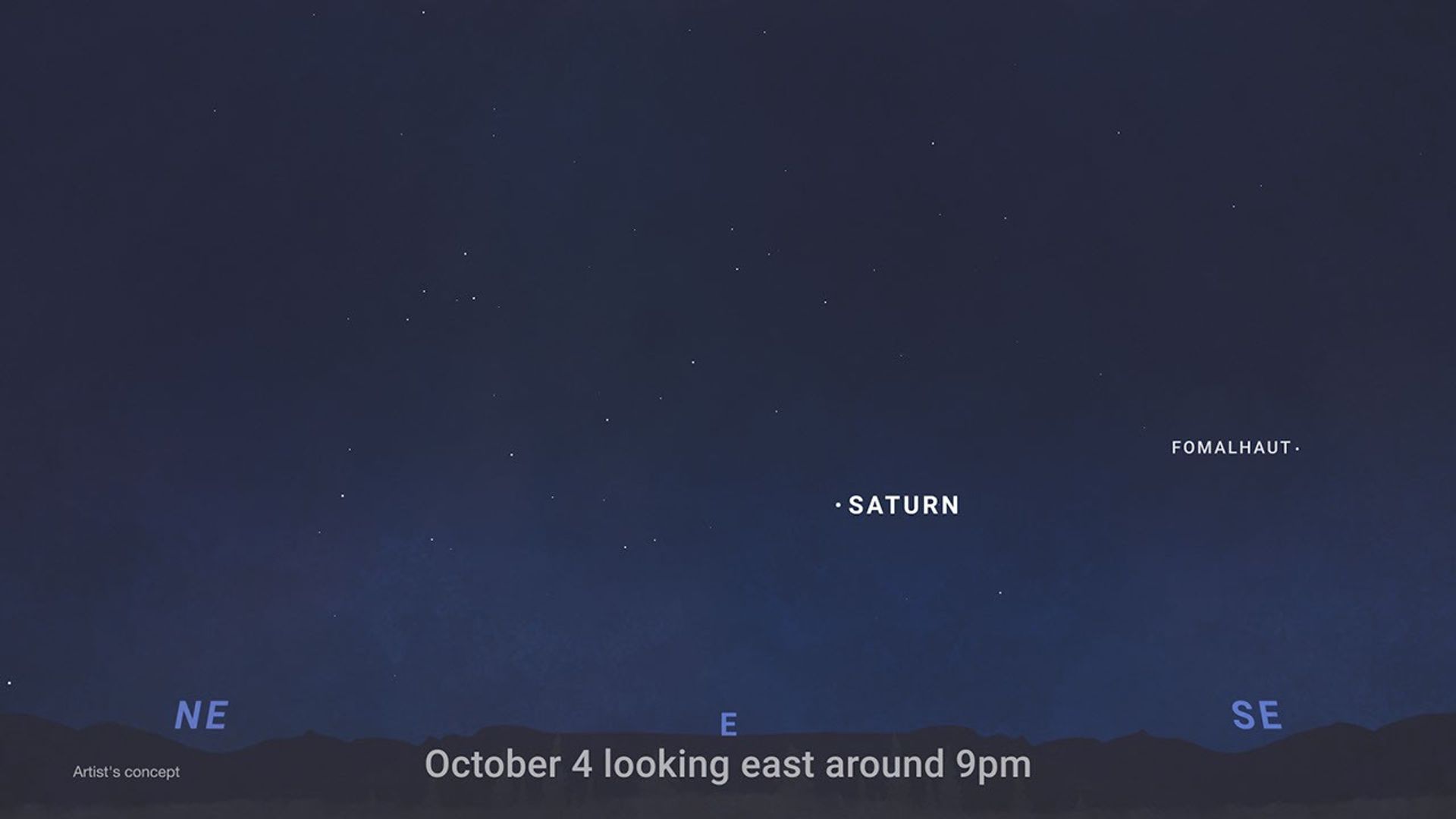
On October 4th, Saturn reaches opposition, giving skywatchers one of the year’s best opportunities to see the ringed planet. Opposition happens when Earth passes between the Sun and Saturn. That puts Saturn opposite the Sun in our sky, so it rises around sunset and stays visible for much of the night.
Astronomers have long known about a hexagon-shaped jet stream that spans nearly 20,000 miles across Saturn’s north pole. But just last month, observations using NASA’s Hubble Space Telescope revealed a ten-sided atmospheric wave encircling the planet’s south pole. This southern hemisphere feature appears to be strengthening, giving scientists the rare opportunity to watch a giant atmospheric pattern develop.
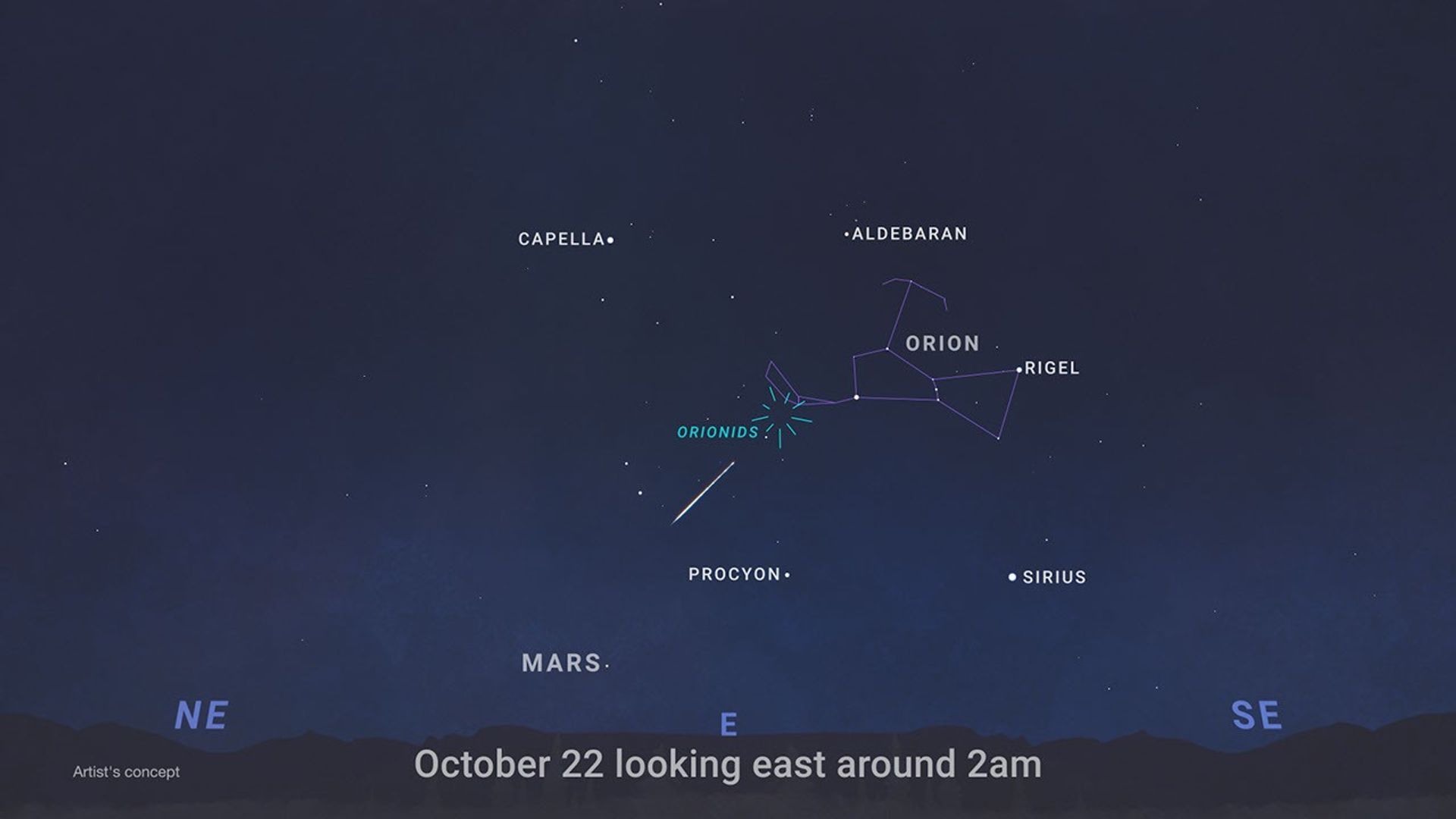
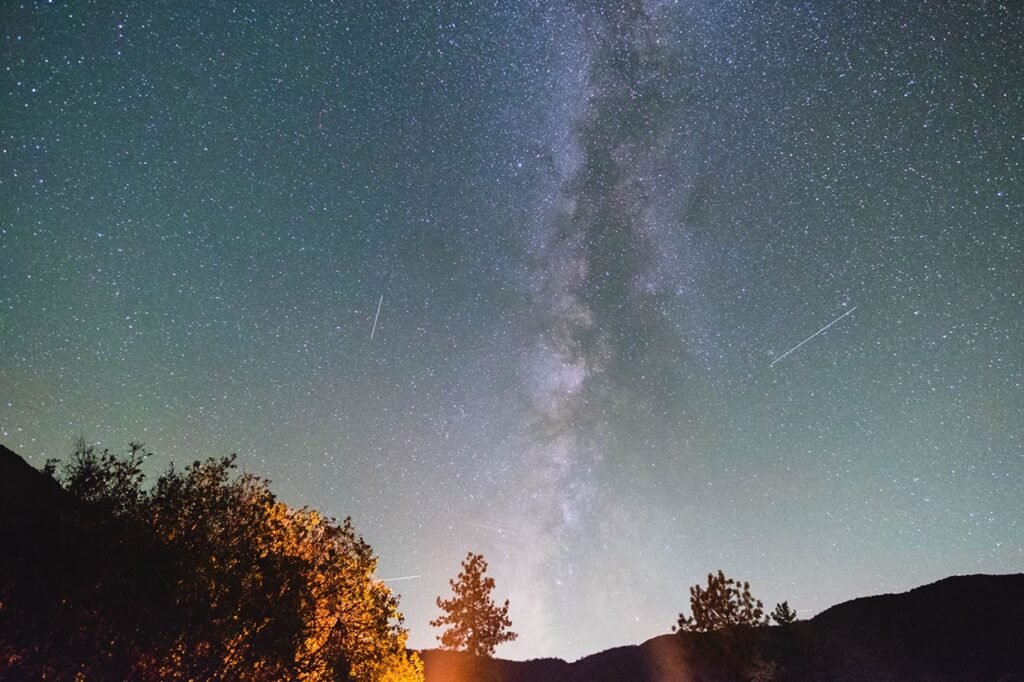
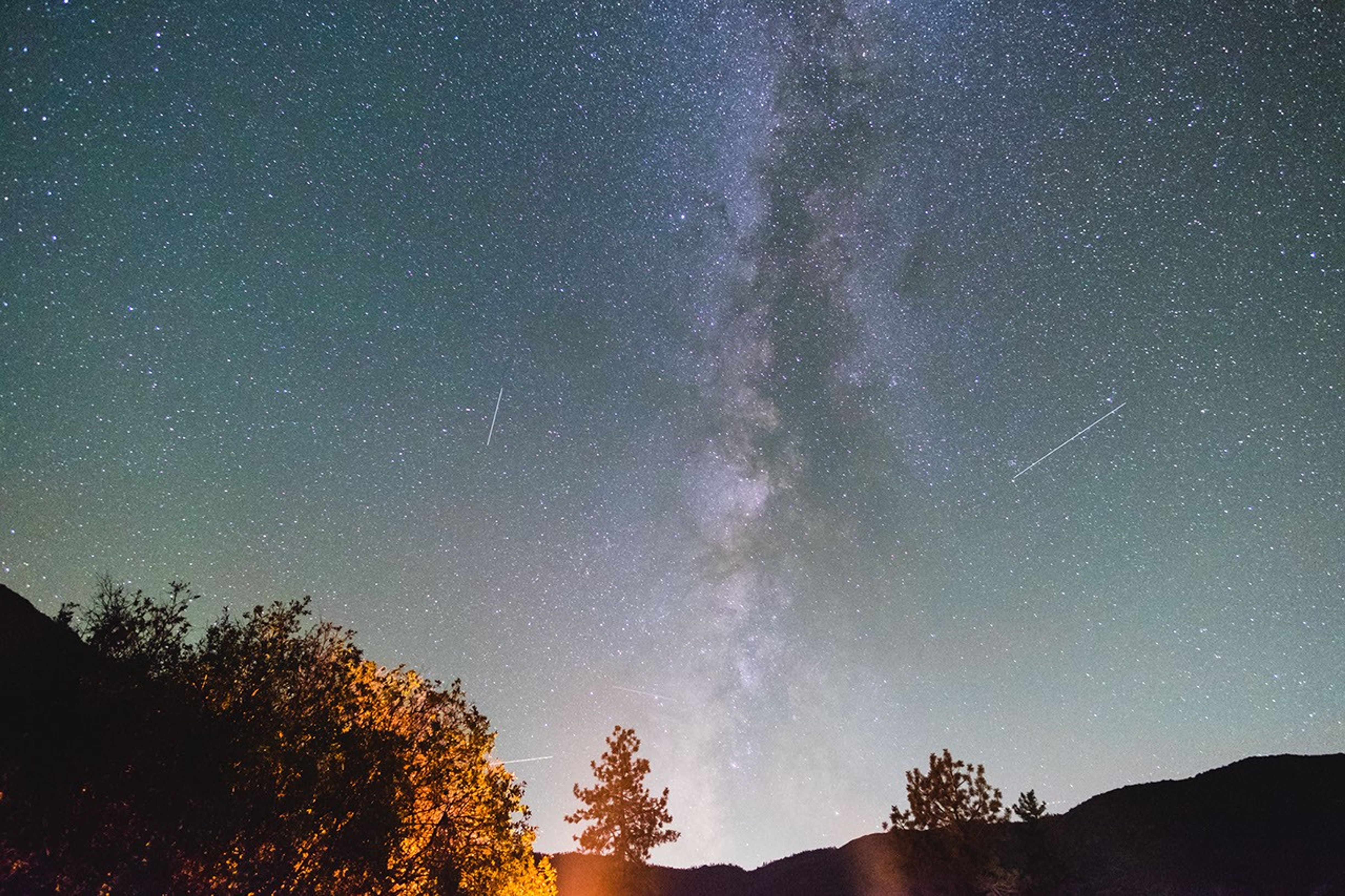
The Orionid meteor shower peaks on the night of October 21st into the morning of October 22nd. The Orionids are created by tiny pieces of debris left behind by Halley’s Comet. They appear to radiate from the direction of Orion, but the meteors can streak across any part of the sky. A bright waxing gibbous Moon will wash out some of the fainter meteors this year. Your best chance may come in just a few hours before dawn, after the Moon sets. Find a dark location. Give your eyes time to adjust and look up.
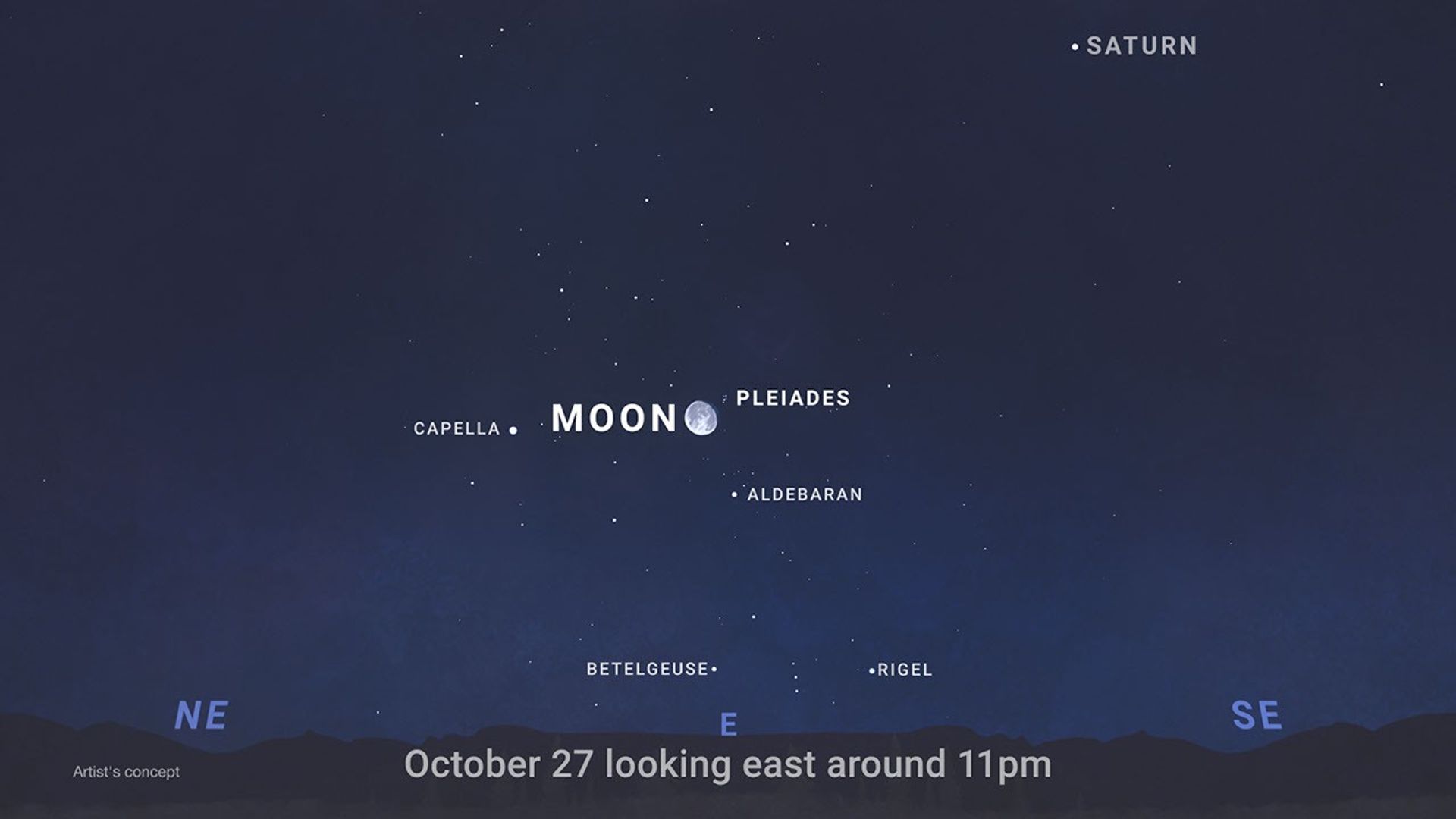
On the night of October 27th into the 28th, look for the Moon passing close to a famous star cluster called the Pleiades, also known as the Seven Sisters. Many ancient cultures had stories associated with the Pleiades, due in part to the fact that the star cluster is visible from almost everywhere on the globe.
To spot them yourself, look east in the evening as the Moon and cluster climb higher into the night sky. The Pleiades appear as a slightly fuzzy grouping of 6 to 7 stars. They are visible to the unaided eye, but binoculars or a telescope reveal more spectacular detail.
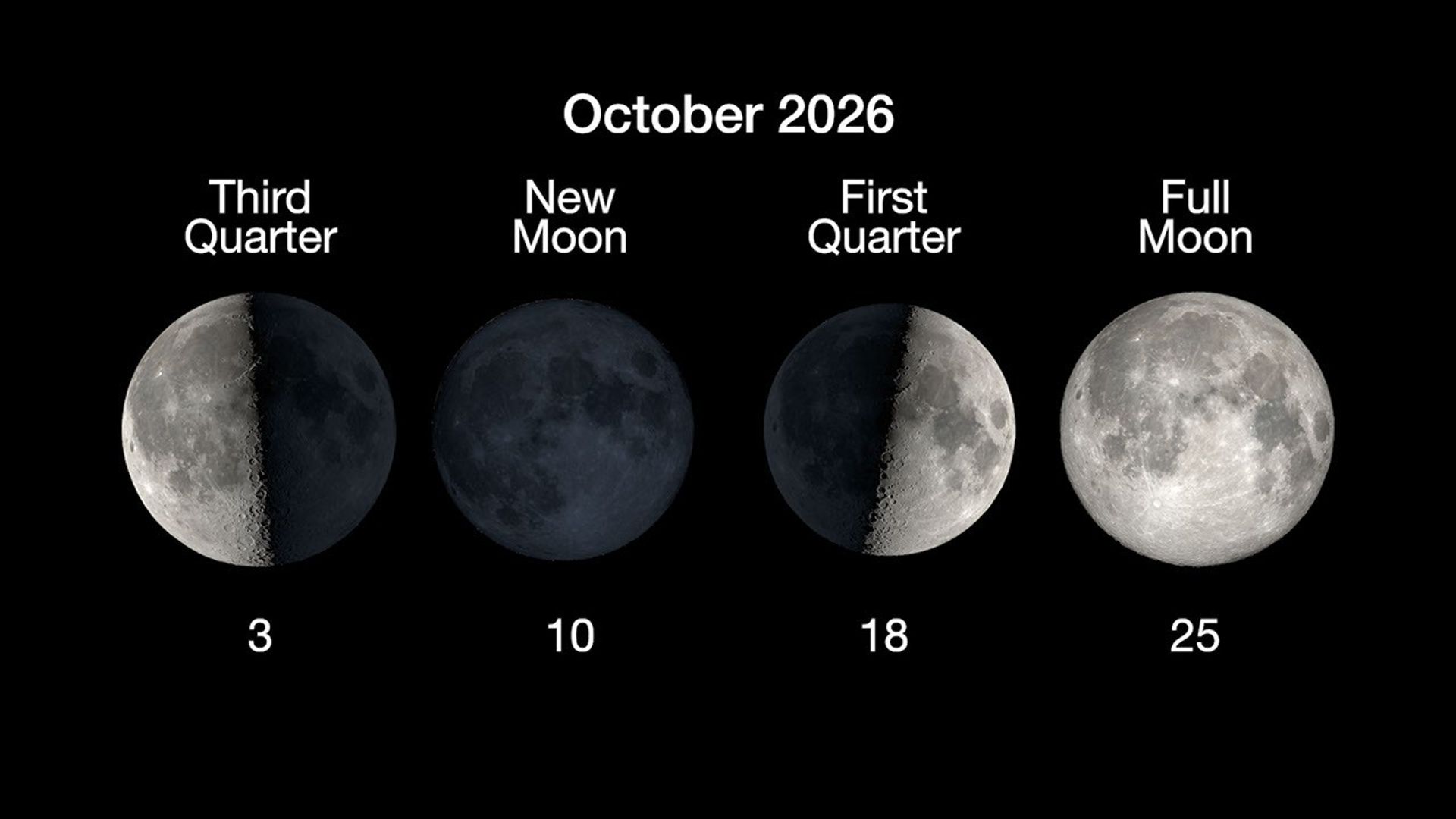
Here are the phases of the Moon for October.
You can stay up to date on all of NASA’s missions exploring the solar system and beyond at NASA Science.
I’m Raquel Villanueva from NASA’s Jet Propulsion Laboratory and that’s What’s Up this month.