





One of the world’s most remote inhabited islands is stepping confidently onto the international tourism stage, with St Helena increasingly positioning its extraordinary landscapes, wildlife, history and sense of isolation as compelling reasons for travellers to venture deep into the South Atlantic.
At the heart of the destination’s storytelling is St Helena Tourism’s evocative “Come and Find Me” film, a cinematic invitation to discover an island where dramatic volcanic scenery, subtropical forests, historic settlements and a remarkably rich marine environment exist far removed from the conventional tourism trail.
Rather than presenting St Helena simply as somewhere to visit, the film attempts to capture how the island feels. Its emphasis on seclusion, nature, history and human connection reflects the destination’s wider ambition to appeal to travellers increasingly looking for meaningful experiences away from heavily visited tourism centres.
The approach has already earned international recognition. “Come and Find Me” received a Gold Award at the International Tourism Film Festival Africa in the Tourism Destination – International category, having previously received a Director’s Choice special award at Japan’s World Tourism Film Festival.
The film grew out of the St Helena Showcase initiative, which brought together tourism and investment representatives and focused international attention on the island’s opportunities in adventure travel, marine tourism, heritage, culture and responsible tourism.
For travellers unfamiliar with St Helena, its isolation is arguably one of its greatest attractions.
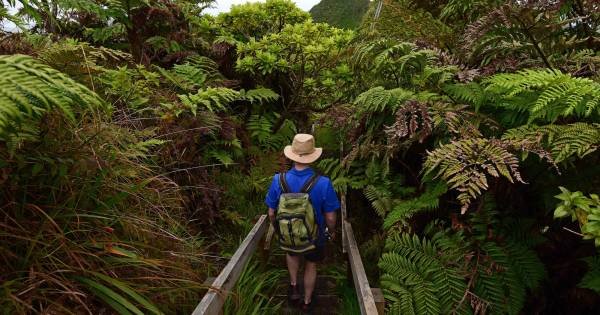
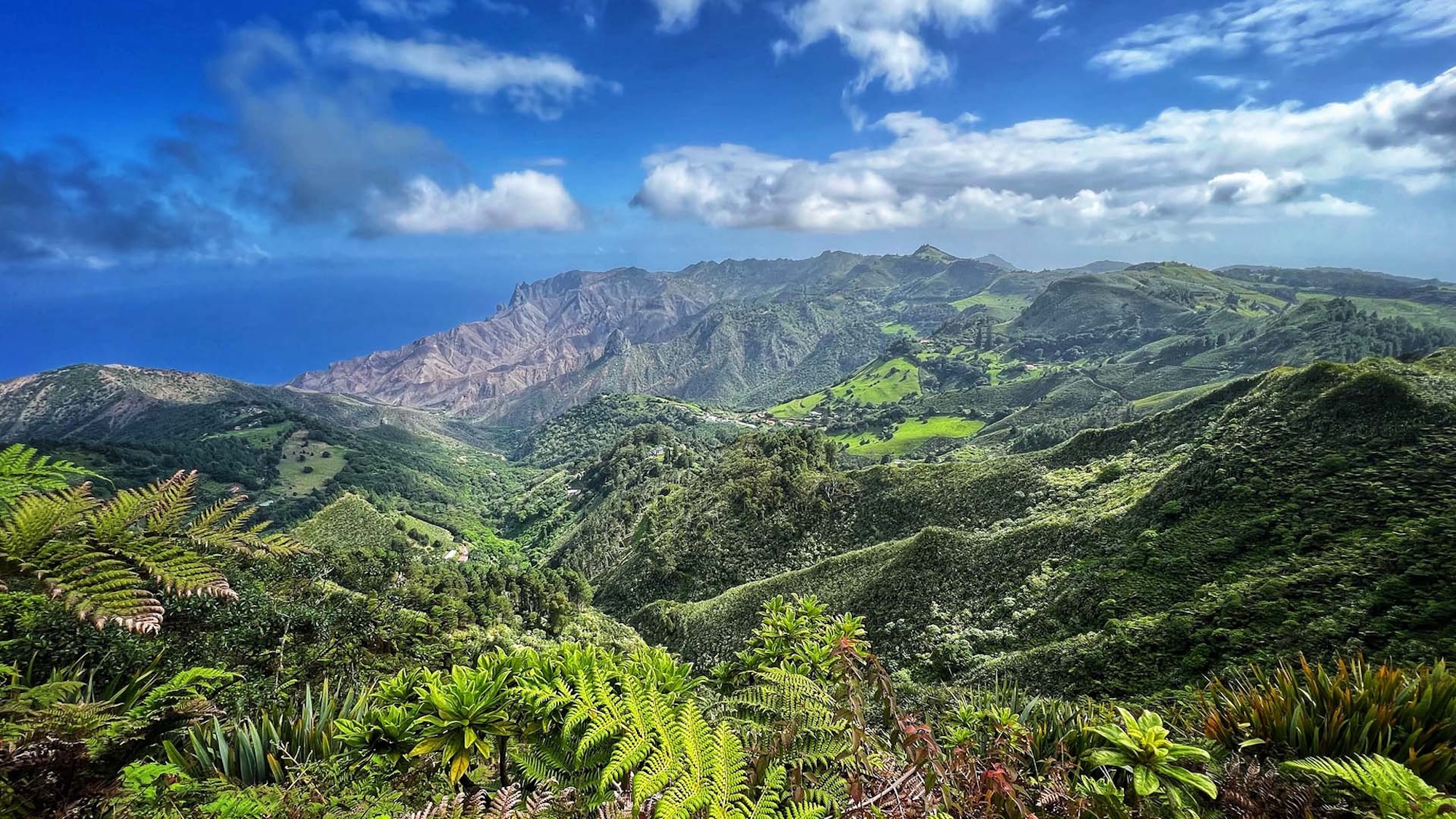
The British Overseas Territory rises dramatically from the South Atlantic, approximately midway between southern Africa and South America. Its mountainous terrain and varied microclimates create an unusually diverse environment for an island of its size, moving from rugged coastline and semi-arid landscapes to lush green uplands and cloud forest.
More than 500 plant and animal species found nowhere else on Earth have been recorded across St Helena, giving the island considerable appeal for nature enthusiasts.
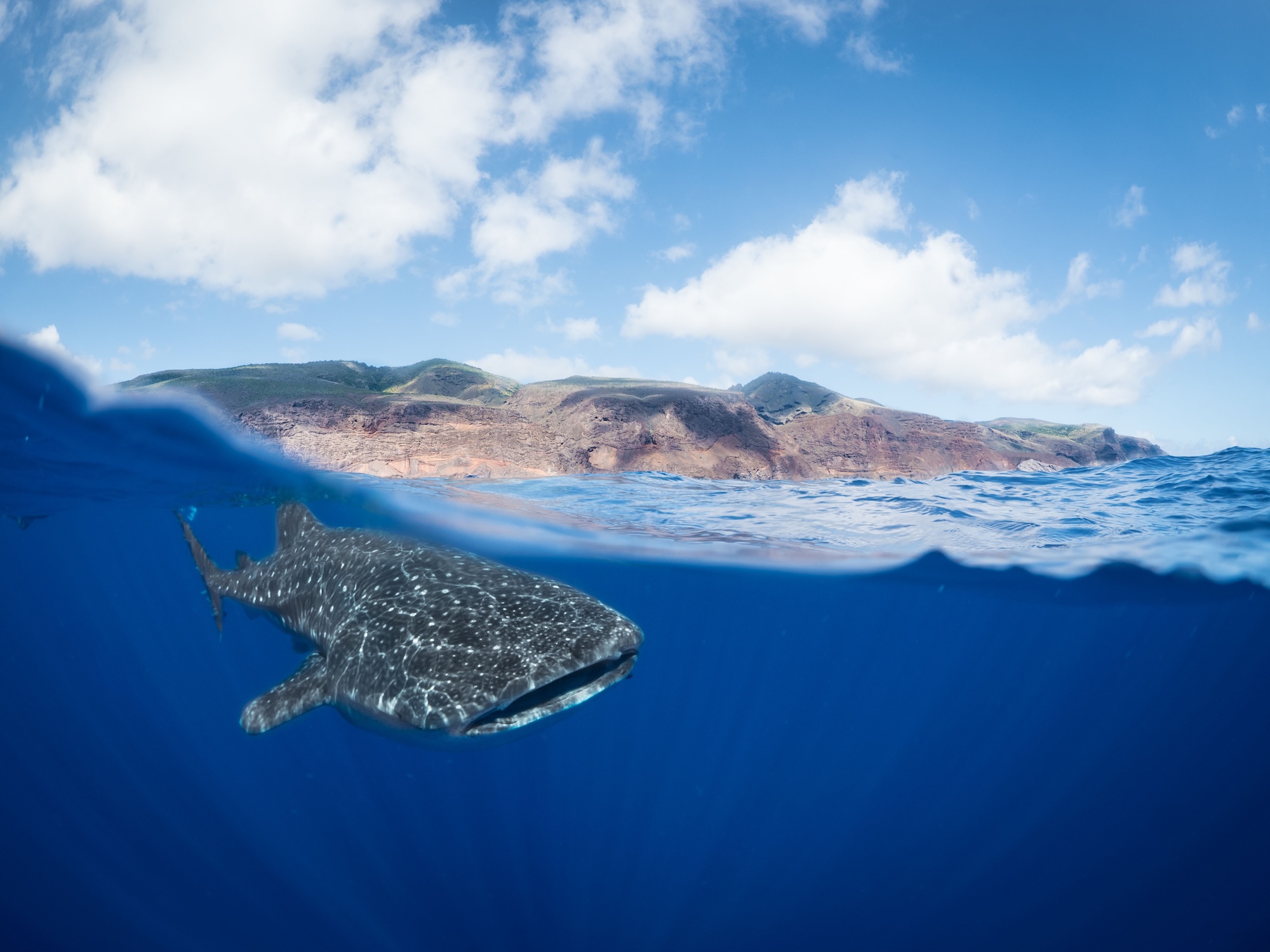
Marine experiences are particularly important to its tourism offering. Whale sharks are among the island’s most celebrated seasonal visitors, while the clear surrounding waters have helped establish St Helena as a destination for diving, snorkelling and wildlife encounters. In 2026, St Helena Tourism again placed particular emphasis on its annual whale shark season as interest grows internationally in holidays built around natural phenomena and wildlife experiences.
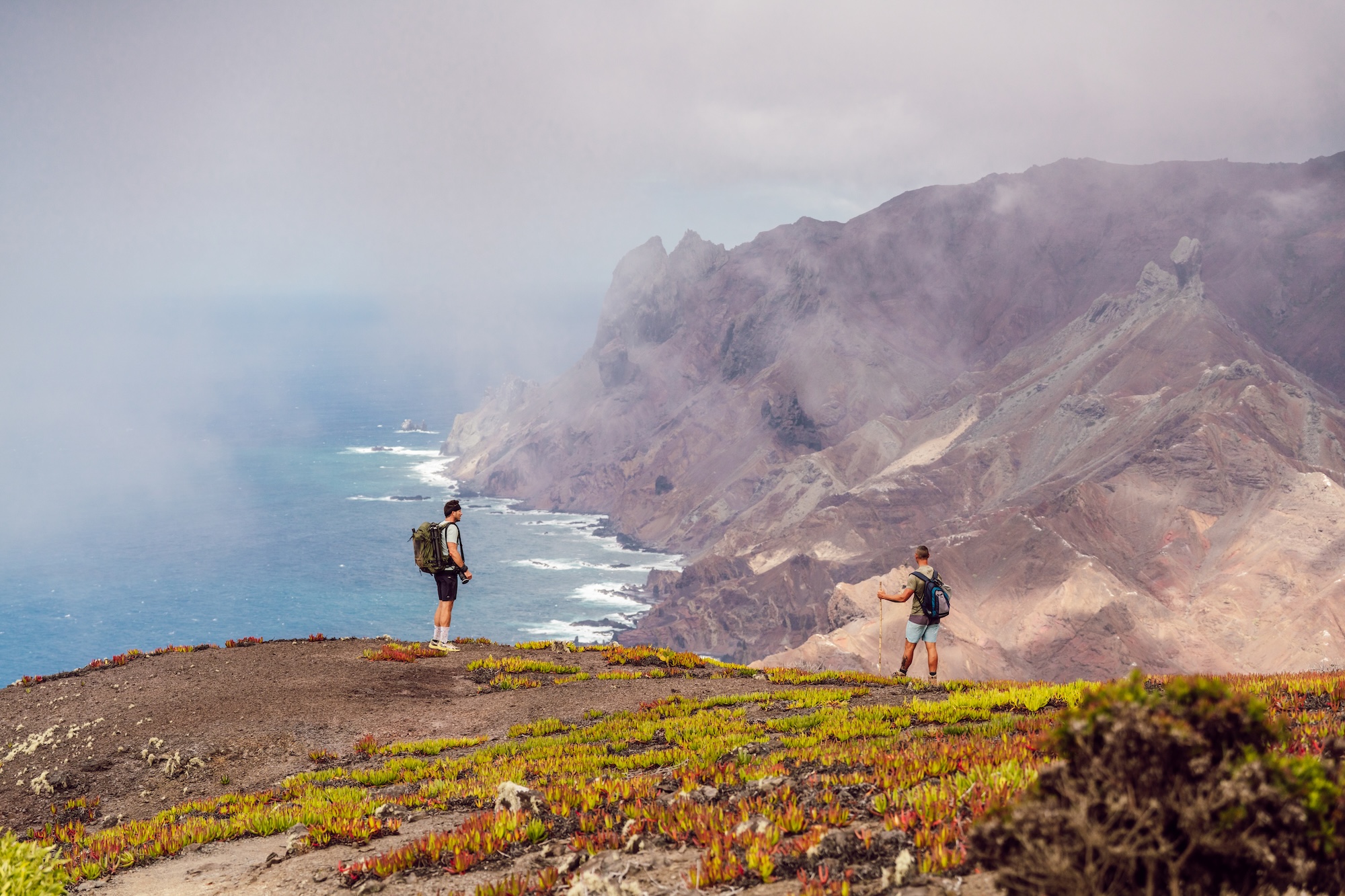
On land, walking remains one of the best ways to understand the destination. St Helena’s collection of 25 Post Box Walks has now been added to the Outdooractive digital platform, making its network of hiking routes easier for international travellers to discover and navigate. The walks take visitors through some of the island’s most distinctive landscapes, viewpoints and remote corners.
History provides another major strand of the visitor experience.
Jamestown, wedged between steep volcanic cliffs, retains an extraordinary collection of historic buildings and landmarks. Jacob’s Ladder, with its 699 steps climbing sharply above the town, is among St Helena’s most recognisable sights.
The island is also inseparably connected with Napoleon Bonaparte, who was exiled to St Helena following his defeat at Waterloo and died there in 1821. Longwood House, where Napoleon spent much of his final years, remains one of the island’s most important visitor attractions.
St Helena has continued to expand that historical proposition in 2026. A new Walk Through History installation in Jamestown brings to life some of the remarkable figures who have passed through the island during the past five centuries, reinforcing St Helena’s role as a strategic stopping point during centuries of global exploration and maritime travel.
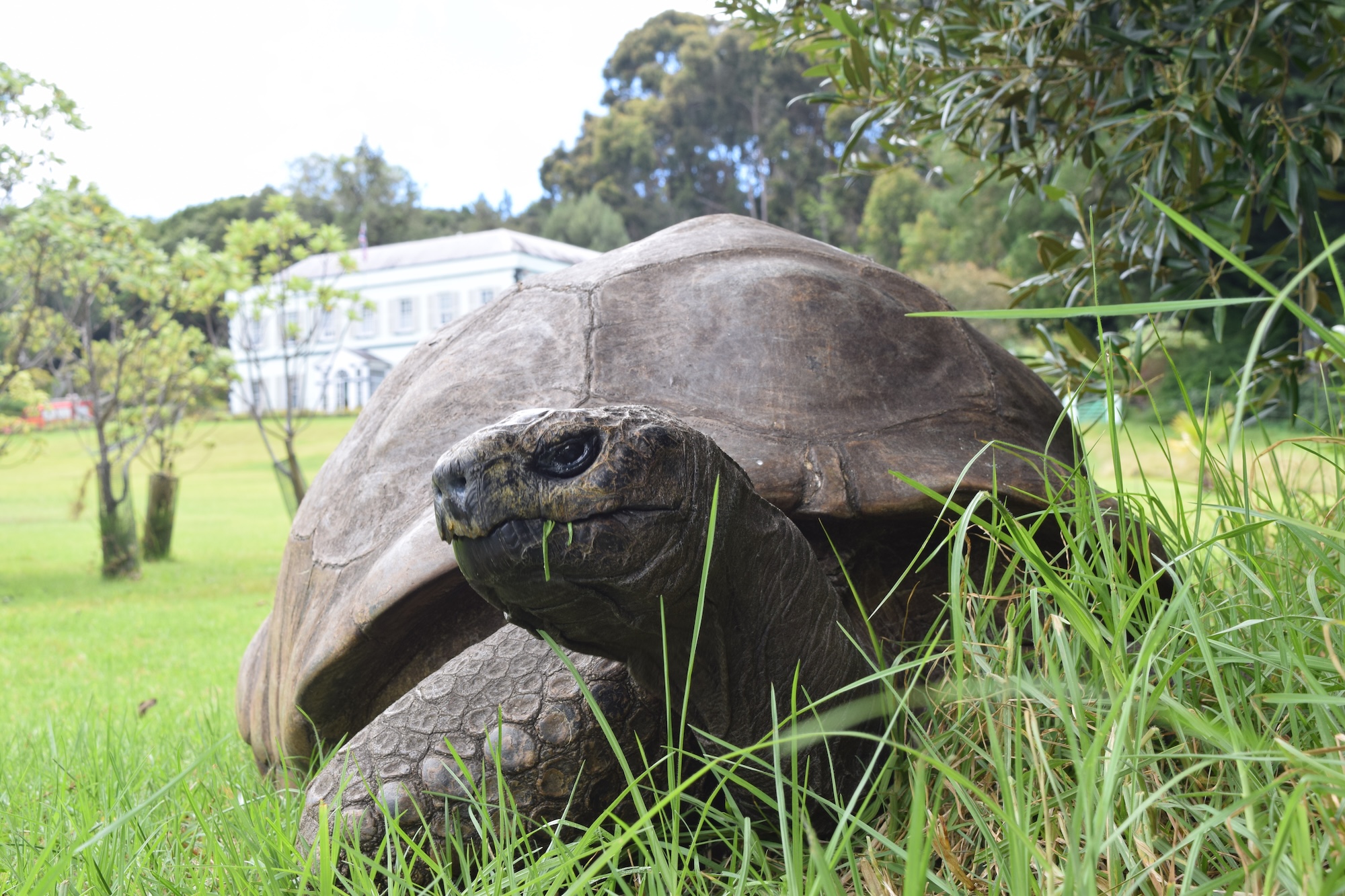
Another resident has achieved international fame of a very different kind. Jonathan the giant tortoise, who lives in the grounds of Plantation House, has become one of the island’s best-known personalities and is recognised by Guinness World Records for his extraordinary longevity.
Getting to St Helena is itself part of the adventure.
Airlink operates scheduled services connecting the island with South Africa. Weekly flights operate from Johannesburg, while additional seasonal services from Cape Town are scheduled during the peak southern summer period. St Helena Government’s published schedule currently extends through October 2027, giving the destination significantly greater forward visibility for international travellers and tour operators.
The improved air link has transformed access to an island that for generations could predominantly be reached by sea, while preserving the sense of discovery that remains central to St Helena’s identity.
Cruise ships and yachts also continue to call at the island, with the main cruise season generally running from October through April.
Yet St Helena’s greatest tourism strength may be that it has resisted becoming a conventional tourism destination.
There are no enormous resort districts or crowded tourism corridors. Instead, visitors encounter a small community, dramatic landscapes, local businesses, historic buildings and wildlife experiences within an environment where distance and isolation remain part of the appeal.
That character is precisely what “Come and Find Me” captures.
The film presents St Helena not as somewhere travellers simply tick off a list, but as a destination that rewards curiosity and the willingness to travel further.
For a tourism industry increasingly searching for authentic, nature-led and less crowded experiences, St Helena’s message could hardly be more timely.
Watch St Helena Tourism’s award-winning “Come and Find Me” film:
https://www.youtube.com/watch?v=ATenzRrnCJc