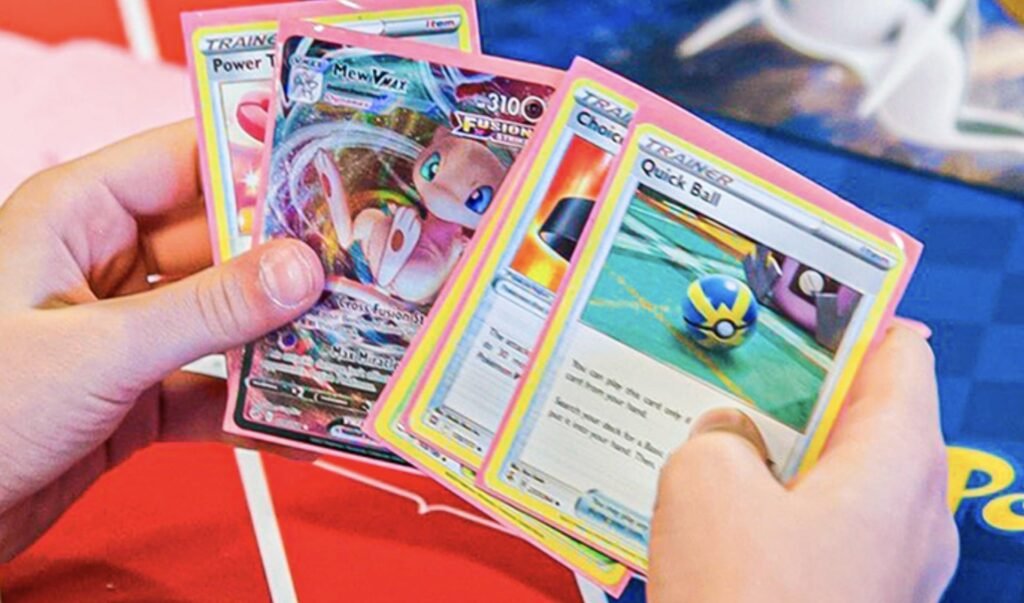




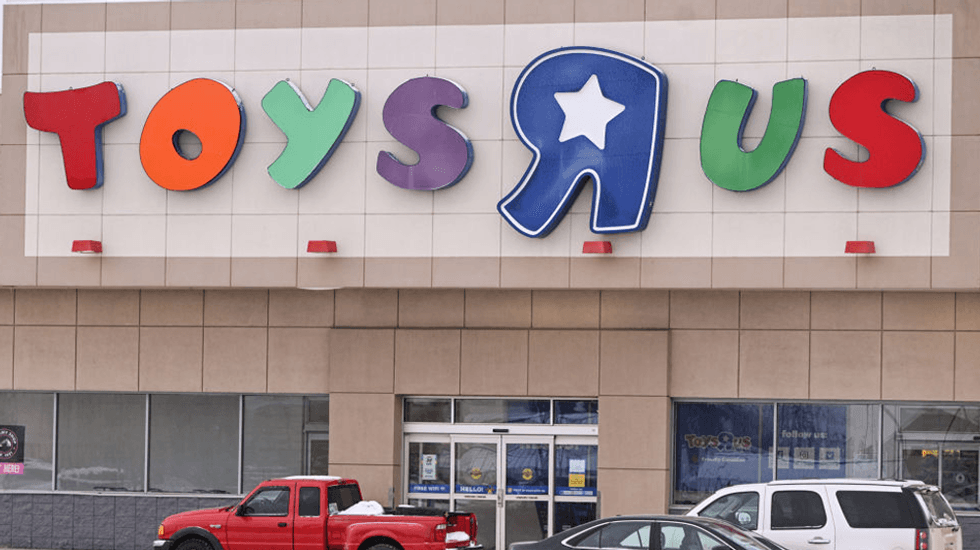
“I don’t wanna grow up / I’m a Toys ‘R’ Us kid.”America’s most famous toy retailer taught generations of American children that maturity was something to avoid.’We’re seeing toys increasingly function as hobbies.’Customers ‘R’ oldTurns out they listened.Adults and teenagers are now driving an unexpected boom in the U.S. toy business, accounting for nearly 60% of the industry’s growth during the first half of 2026, according to market research firm Circana. The industry posted its strongest first half in six years.And Toys “R” Us is betting big on its grown-up kids.The once-bankrupt retailer is adding 120 stand-alone stores to its existing 40, quadrupling its U.S. footprint to 160 locations in a single holiday season — a 300% increase.The expansion will also use select locations to introduce Creator Studios, where influencers and brands can unveil new products and host “toy reveals,” the company said in a press release.It’s remarkable growth for a brand that closed every one of its U.S. stores just eight years ago.But the more interesting comeback may be happening among its customers.That same Circana report reveals that households without children now account for 55% of U.S. toy sales. Sales to those households grew 16% during the first half of 2026 compared with the same period last year and have now outpaced sales from households with children — although only slightly.And the fastest-growing customers aren’t the 10-and-under set.Sales to teenagers ages 12 to 17 jumped 33%, while sales in the 18-and-older category rose 25%. Together, teenagers and adults accounted for nearly 60% of the industry’s growth during the first half of the year.In other words, the people fueling the toy boom are old enough to drive themselves to the toy store.RELATE: How Europe turned illegal immigration into a 5-star vacation package Andrew Burton/Getty Images Hobby lobbyWhat has changed isn’t simply who’s buying toys. It’s what counts as a toy.Pokémon and Magic: The Gathering trading cards are among the industry’s biggest properties, alongside familiar franchises including Marvel, Star Wars, LEGO, and Barbie.Circana’s Kristen McLean says consumers are increasingly drawn to “collectibles, sensory toys, licensed products, and hobby-oriented play.”“We’re seeing toys increasingly function as hobbies, fandom ecosystems, and social experiences rather than traditional children’s products,” McLean said.That helps explain why adult-only households have become such a lucrative market. A LEGO set, collectible figure, or box of trading cards can occupy essentially the same place in an adult’s budget that model trains, sports memorabilia, or other hobbies once did.RELATED: Is charging your EV really cheaper than buying gas? Andrew Burton/Getty Images ‘Toys’ storyToys “R” Us isn’t merely opening more stores to take advantage of the shift. Select locations will include what the company calls Creator Studios, spaces where influencers and brands can launch products and stage “toy reveals.”It’s a striking reinvention for a retailer whose apparent demise once looked like another casualty of the internet age.Toys “R” Us filed for Chapter 11 bankruptcy protection in 2017 while carrying billions of dollars in debt and closed its remaining U.S. stores the following year.The brand subsequently attempted several comebacks, eventually coming under the control of WHP Global in 2021. It opened a flagship location in New Jersey and later established Toys “R” Us sections inside Macy’s stores.Meanwhile, the revival has extended well beyond the United States. Toys “R” Us now says it operates through more than 1,680 stores and e-commerce businesses across 37 countries, generating more than $2 billion in annual retail sales.Like Blaze News? Bypass the censors, sign up for our newsletters, and get stories like this direct to your inbox. Sign up here!

FOX NEWS
Democratic National Committee Chair Ken Martin distanced his party