



You can have very low interest rates, and you can have debt-driven inflation. You just can’t have both at the same time. That is the reality President Trump refuses to recognize.
At the core of the president’s half-baked plan to resuscitate the economy is a return to the good old days of near-zero interest rates.
The Federal Reserve can set the short-term rates as low as it wants, but the bond markets will continue to rebel and reflect reality.
“We should have the lowest interest rates anywhere in the world,” Trump said last week in response to a reporter’s question in the Oval Office.
“In the old days … if we announced good numbers, interest rates went down. Now, if you announce good numbers, interest rates go up because they’re so afraid of inflation.”
It’s hard to make sense of that statement, but it reflects a grievance Trump has voiced consistently. He wants endless spending for his projects, he doesn’t want the inflation it causes, and he wants to pay near-zero interest on the resulting record debt. Don’t we all?
Perhaps in another lifetime, God will create such an innovative world. In this one, when you have protracted inflation and must sell endless Treasuries to service the debt, you cannot offer near-zero interest to buyers of that debt — especially at a rate below inflation.
We had multiple periods of near-zero interest rates this century, including during COVID. We also spent trillions of dollars we did not have during Trump’s first term and Biden’s presidency. That helped fuel the inflation surge of 2021-22. Prices have continued rising even as the inflation rate slowed, while the debt keeps exploding. Year-over-year inflation has now remained above the Fed’s 2% target for 65 consecutive months, with most months above 3%.
Far from being “artificially high,” as Trump contends, rates have been held artificially low. After the federal funds rate peaked at 5.5% during the inflation fight — a historically unremarkable level — the Fed cut rates six times beginning in 2024. The effective rate now stands at 3.63%, below the long-run average.
So what did the bond market do? The 10-year Treasury yield is roughly as high as it was when the federal funds rate peaked in 2024, and the 30-year yield is at levels not seen since 2007.
The Federal Reserve can set short-term rates as low as it wants, but the bond market will still reflect fiscal reality. There is no way around crushing debt other than cutting spending.
RELATED: The government would like to discuss your allowance
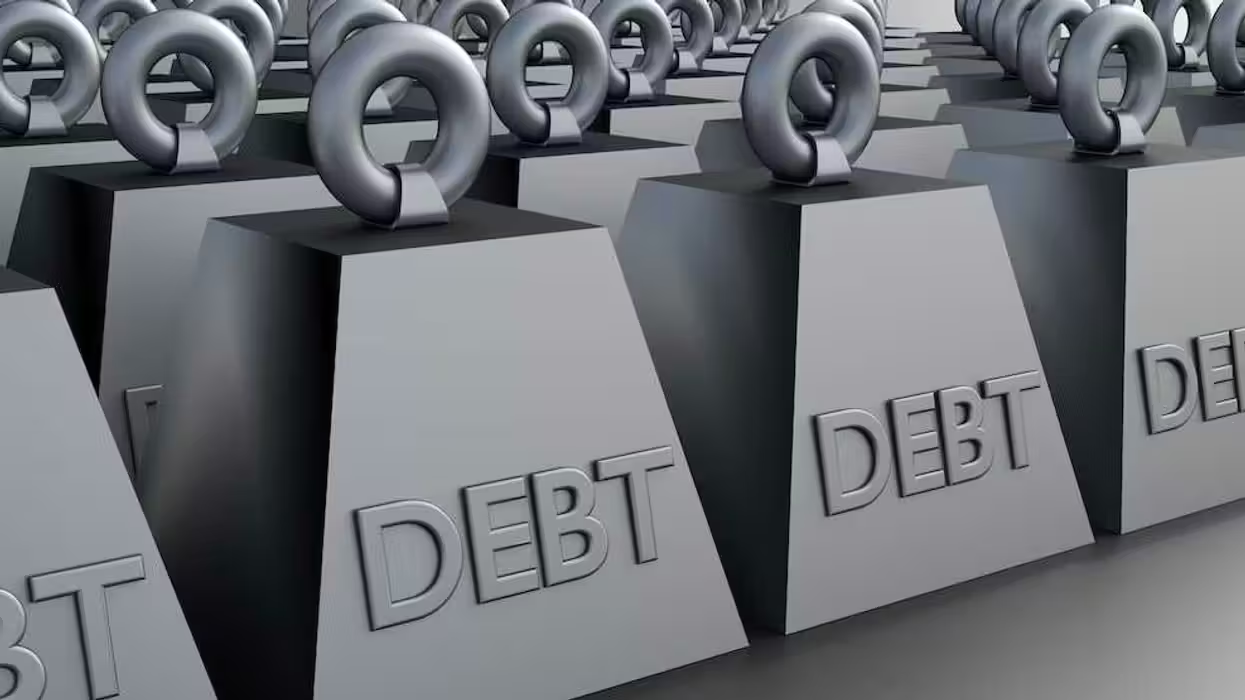
That was on vivid display late last month when Treasury Secretary Scott Bessent instituted a “twist” operation: The government bought back more long-dated Treasuries while relying more heavily on cheaper short-term bills and notes to finance the deficit and the purchases themselves. The goal was to reduce the supply of long-duration debt, support bond prices, lower long-term yields, and exploit the fact that short-term rates remain below 10- and 30-year yields.
The response from the bond market?
After a few hours of lower yields, by the next morning they were back near their pre-announcement baseline.
The 10-year yield is now around 4.75%, higher than at any point since April 2007. Back then, the effective federal funds rate was 5.25% — 162 basis points above today’s rate. The bond market is telling us that long-term rates are not high because the Fed forgot how to cut. They are high because investors demand compensation for inflation, deficits, and debt risk.
There is a simple reason the Fed can no longer wave a magic wand, return rates to near zero, and service the debt on the cheap as it did from the post-9/11 recession through COVID. On September 11, 2001, gross federal debt was about $5.77 trillion, roughly 55% of GDP. In April 2007, before the financial crisis, it was about $8.84 trillion, or 63% of GDP. Today it exceeds $40 trillion and is roughly 123% of GDP.
RELATED: Democrats want amnesia on inflation
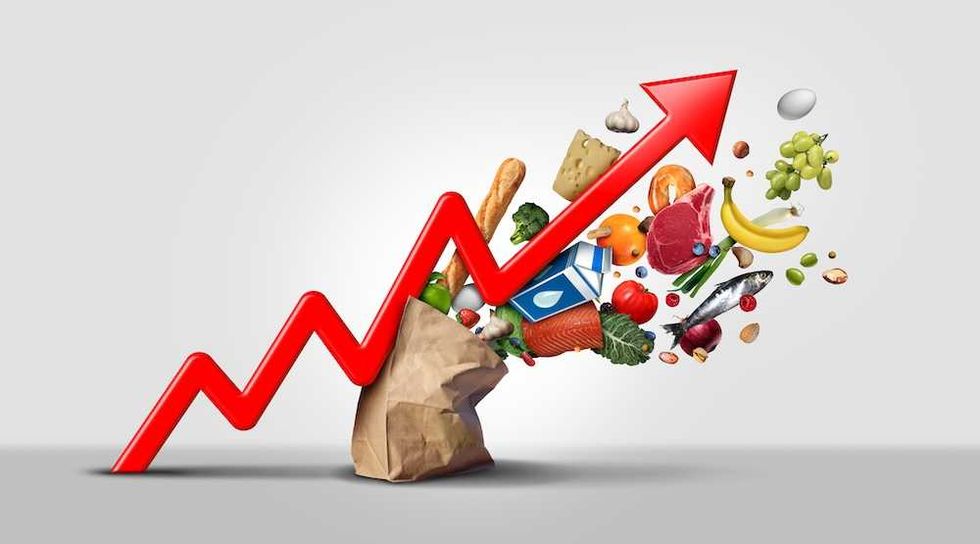
The long-term trajectory is even worse, because faster debt growth creates a vicious cycle: Treasury needs more buyers, inflation and fiscal risk force yields higher, and more existing debt rolls over at those higher rates.
After an election fought in part against Bidenflation, nearly $4 trillion in new debt has been added since January 2025. Across Trump’s two terms, roughly $11.7 trillion of gross federal debt has accumulated. There are still more than two years left in his term, and there is no serious plan to bend the trajectory.
Naturally, all this new debt is being accumulated at higher interest rates. But the sheer magnitude of the debt also makes Trump’s dream of permanently cheap money impossible.
We all share Trump’s desire to service the debt on the cheap. He probably should have thought harder about that desire when he pressured Republicans in March 2020 to shut down the country and then pass trillions in new spending. Unfortunately for him and his delayed second term, what goes around in debt comes back around as inflation and higher interest rates.