


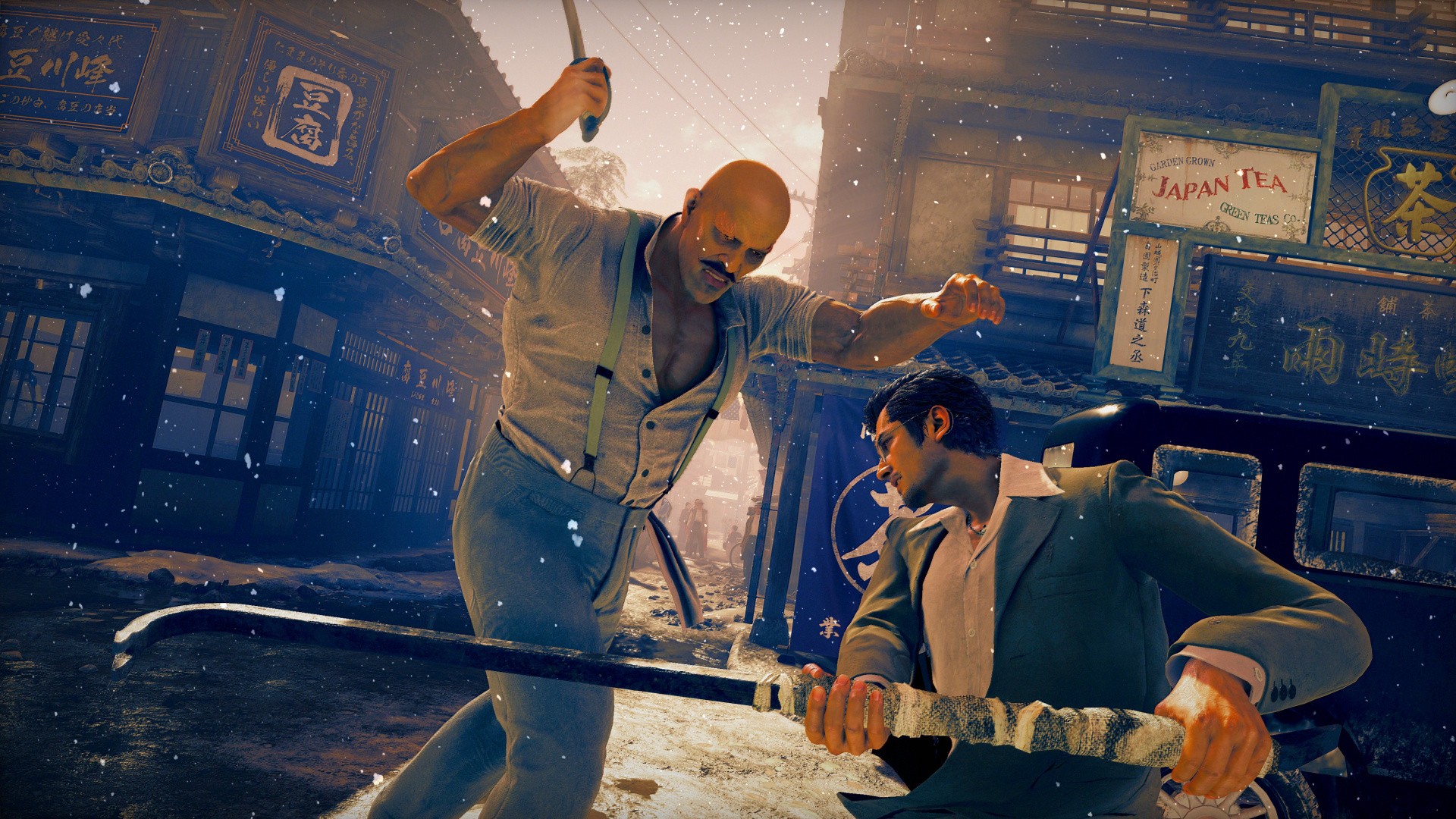
Stranger Than Heaven kicked my ass, guys.
I’ve been playing the Yakuza games since the PS2, so I’d like to think I’m a seasoned enjoyer of RGG Studio’s specific brand of brawler gameplay.
But I clearly wasn’t prepared for the combat in its latest game, a departure for the franchise, which is presented as a prequel.
My demo at Gamescom focused entirely on combat, so I can’t speak to the other aspects of the adventure, which spans five different cities across 50 years.
The full game will see you take control of Makoto Daito, a Japanese-American outcast who arrives in the east and goes on to establish the Tojo Clan, which will be familiar to anyone who’s played the main games.
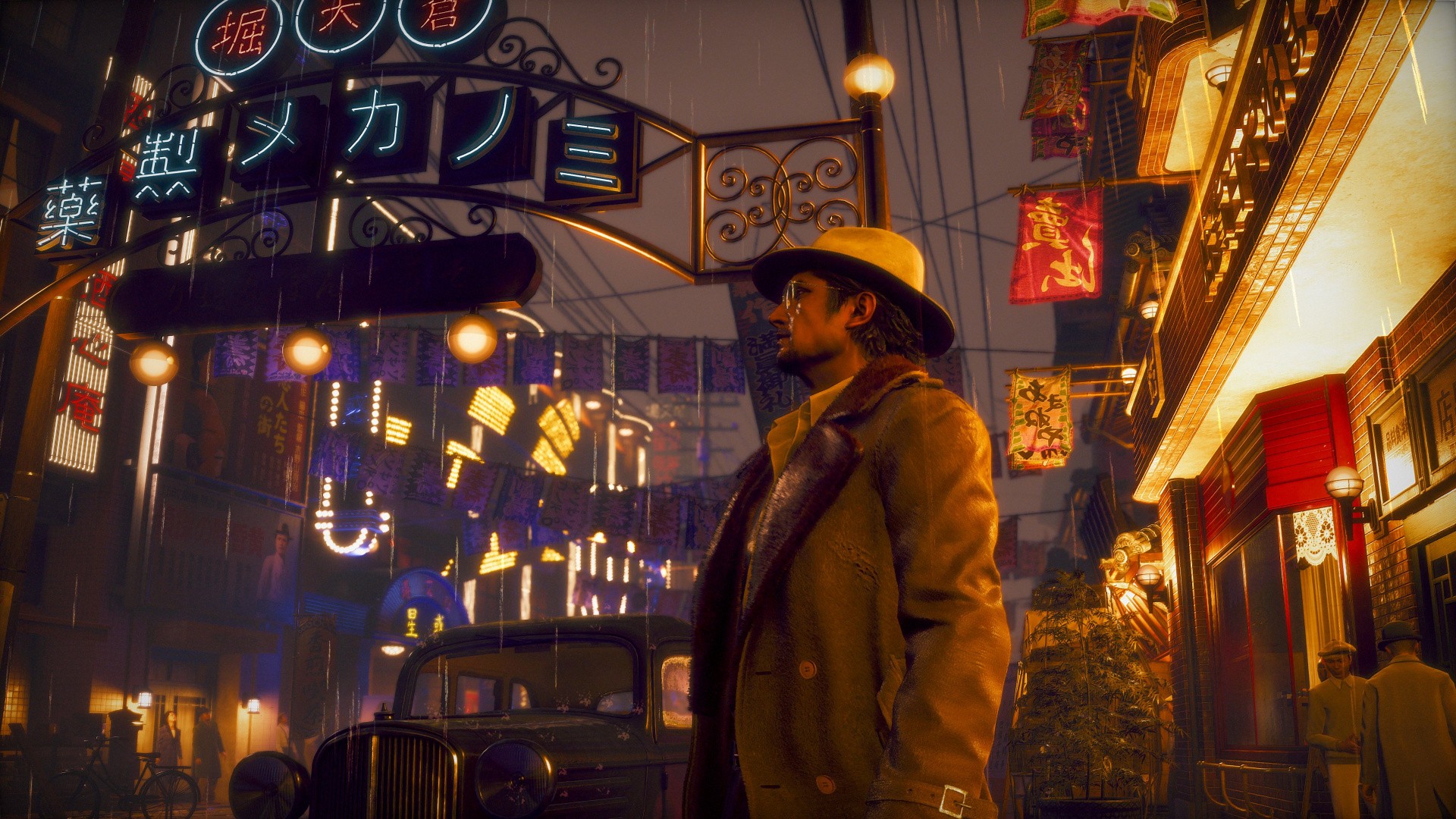
I got to play three different skirmishes each increasing in difficulty, with the second of the trio giving me the toughest time.
The first, set in Kokuro during 1915, introduced the basics.
For those who don’t know, this game has an all-new combat system where the left and right sides of your body are mapped to L1 and L2 and R1 and R2 respectively.
So in the simplest terms, you can create combos like R1, L1, R2 which would result in a right jab, a left jab, and a stronger right hook. You can even charge the button commands up to add additional damage.
In practice this is quite intuitive, but it does take a little time to wrap your head around.
I found I needed to untangle years of Yakuza muscle memory, and also my Elden Ring instincts, where you tend to just keep spamming R1 relentlessly during an opening.
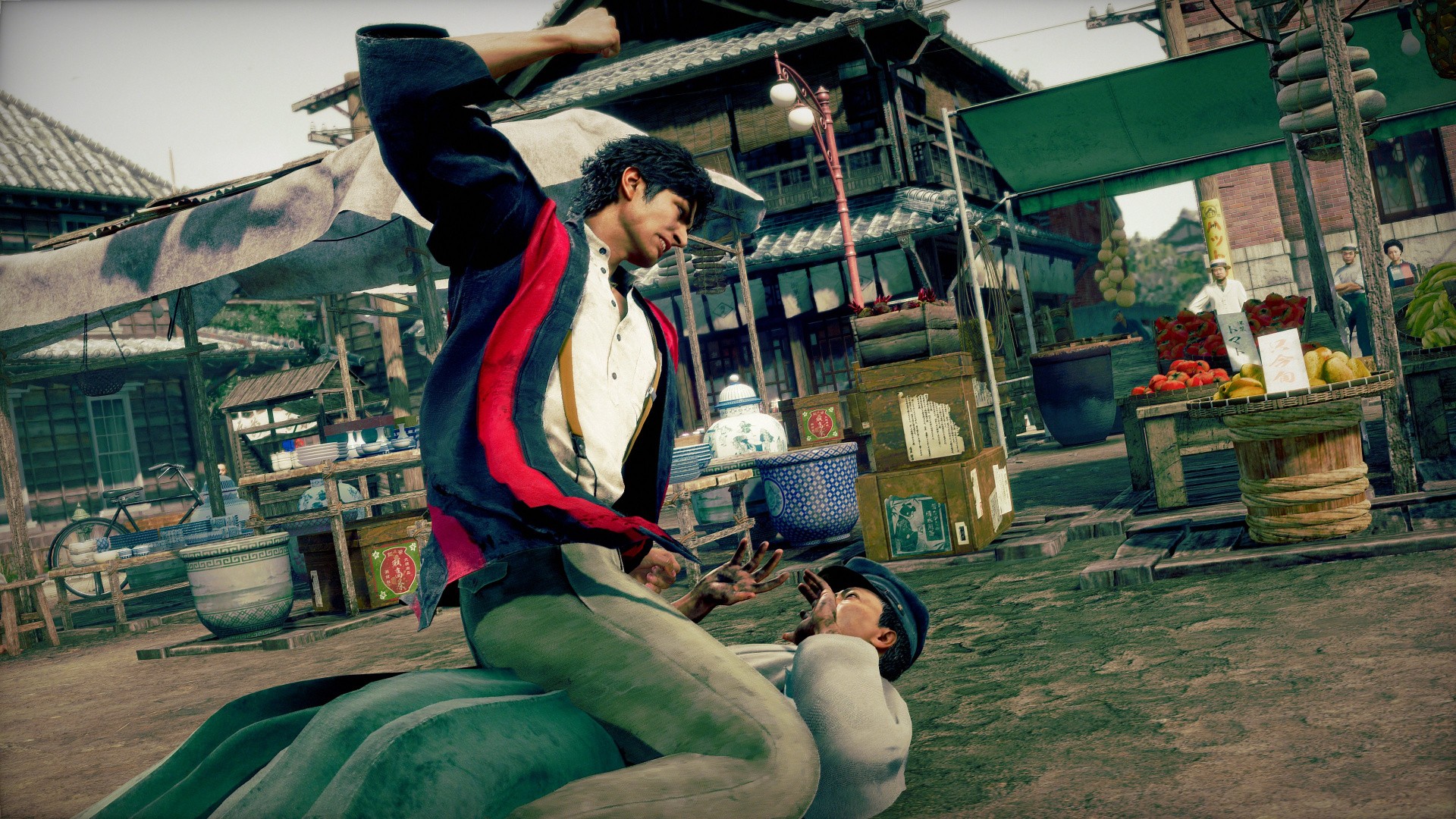
The format gets more complicated when you wield a weapon, of which I was told there’ll be multiple in the final game.
A knife, for instance, is held in your right hand. This means most of your attacks will come through the R1 and R2 buttons – but you can use L1 and L2 to sneak in off-hand jabs if you want to.
I was feeling quite good when I completed Kokuro, but the gauntlet in Hiroshima – billed as intermediate difficulty – is where I completely fell to pieces.
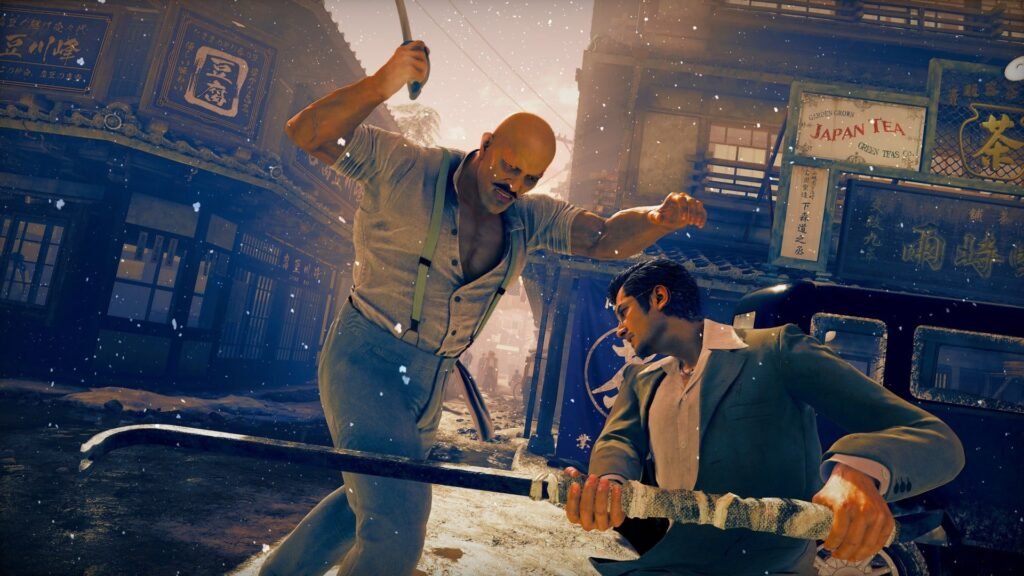
Here I was faced with a group of goons, consisting primarily of fodder and one beefcake.
While the smaller enemies presented few problems, the jacked guy hit like a truck. Armed with a giant metal pipe, I felt like my swings failed to interrupt his advances, and he’d consistently put me down.
I changed tactics, ditching my weapons and fighting purely with my fists. But despite successfully evading many of his attacks, I felt like I could barely put a dent into his health bar.
To make matters worse, I really struggled with the block mechanic. This requires you to hold Circle, L1, and R1 all at the same time, which makes sense in regards to the other controls but feels cumbersome.
It also wasn’t always clear to me visually whether I was in a defensive stance or not, which I think led me to panic and take too many unneccessary hits.
At this point, many of the people playing alongside me had already beaten the third stage of the demo and were filing out of the room – I’ve never felt so useless in my entire life!
Generally, I think I’m a fine player, but something about the system here just didn’t click for me. I imagine it’ll be a lot more manageable when you’re playing through the campaign and the difficulty curve is more managed.
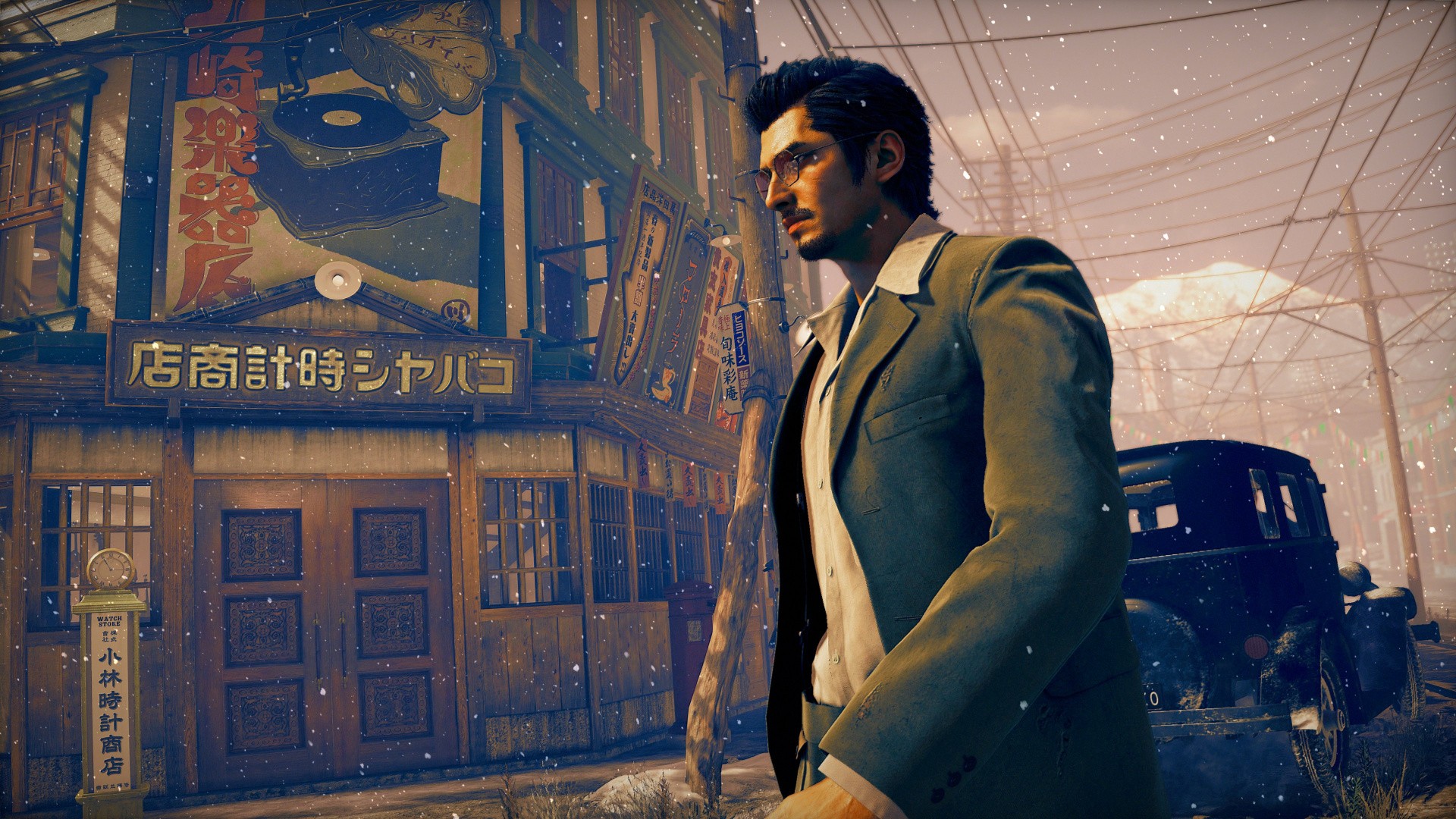
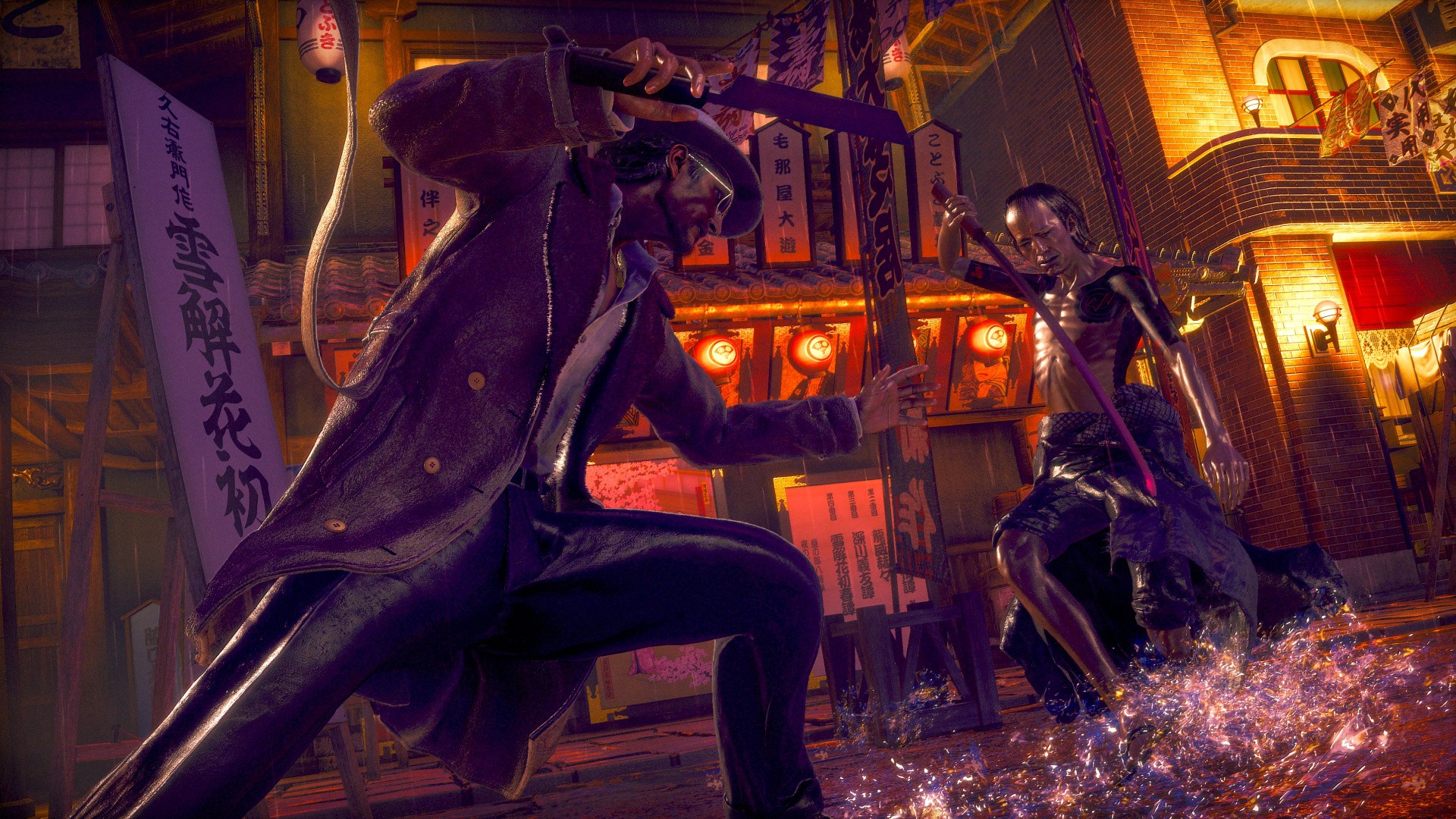
I did eventually skip ahead to the third and final stage, which takes place in a rainslicked Osaka, complete with gorgeous glowing lights.
This is a boss fight against a single foe with a katana, and again I’m afraid to say I struggled to overcome him.
One system I discovered here is that when you’re knocked to the ground, you can evade attacks by rolling from side-to-side. But I struggled to actually stand up, and so I feel like this system could use polish too.
Putting my damaged ego aside, I could definitely see promise in what Stranger Than Heaven’s doing – I really think there’s something in managing both sides of the protagonist’s body in combat.
But it didn’t stick the landing for me; I found it all a bit unwieldy.
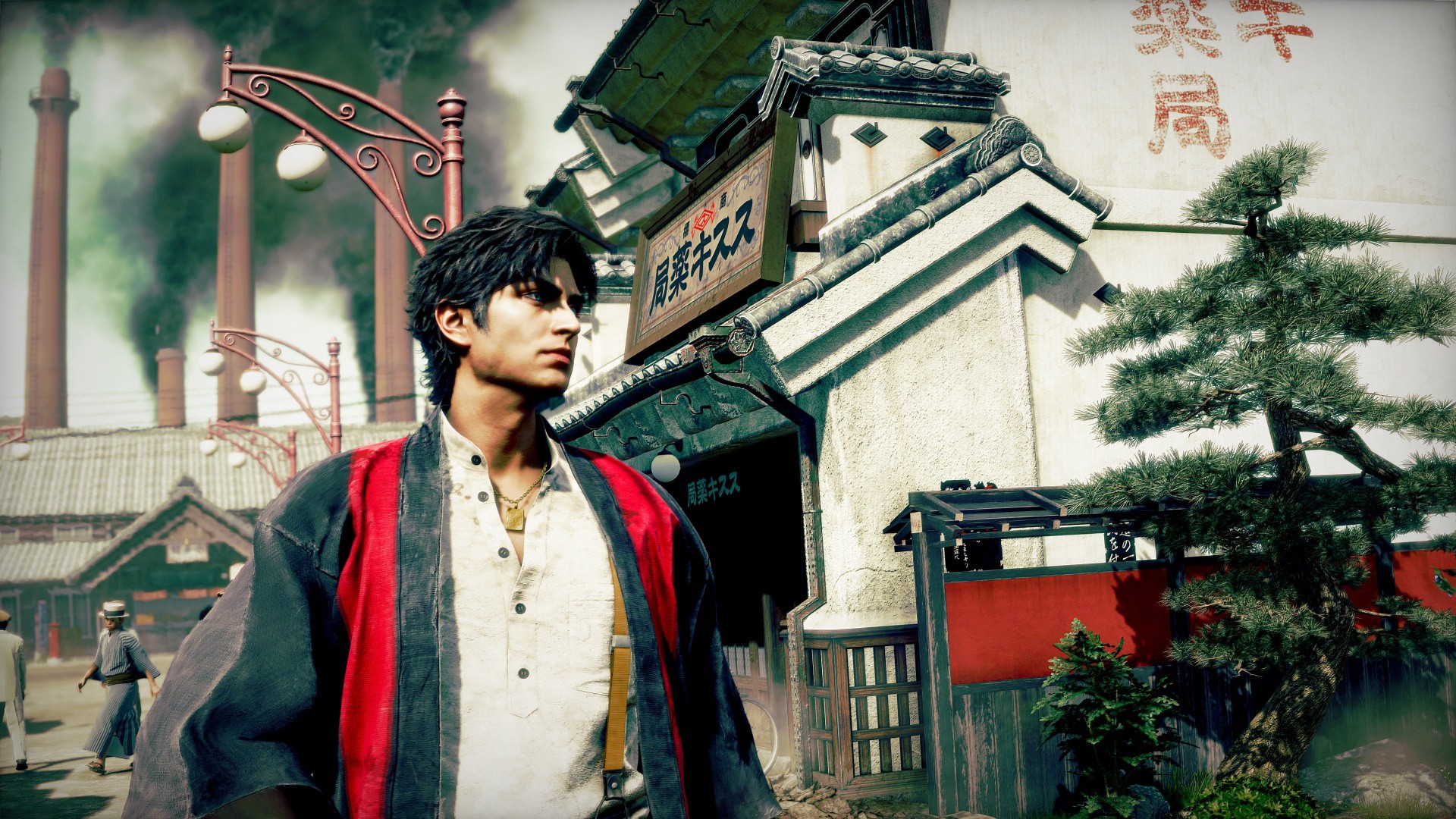
I really don’t like the block or the dodge, and I found myself constantly wanting to put my weapons away because they were complicating my playstyle.
I imagine the full game, with the correct pacing and difficulty ramp, will be a lot better – it’s always tough to get a feel for something different during a short demo on a showfloor.
I will admit, my interest in this game has always revolved around the historical cities themselves and the showbusiness aspect, which represents a second gameplay pillar not on display at Gamescom.
But clearly the combat is going to be a huge part of this experience, and with the game due out on 15th January, that doesn’t feel like it’ll give the team a lot of time to really refine things.
I just have to hope I sucked on the day, and it’ll all click into place come launch.
What are your thoughts on Stranger Than Heaven’s unique albeit unrefined combat system? Are you looking forward to testing this out for yourself? You can watch a full playthrough of the demo above.
PlayStation Buttons based on work by VictorPines, CC BY-SA 4.0, via Wikimedia Commons