




Iran has been reported to be using negotiations with the United States to buy time, strengthen its position around the Strait of Hormuz, and rebuild military capacity for a wider conflict. The Trump administration needs a new Red Sea strategy. It should begin with Somaliland.
The Houthis recently fired on a ship in the Bab el-Mandeb Strait, and Iran has reportedly told the group to be prepared to close the waterway if the United States strikes Iran’s power grid. The Bab el-Mandeb is a global shipping artery and a pressure point on energy markets.
The crises in the Strait of Hormuz and Bab el-Mandeb are warnings. Iran and the Houthis are trying to turn geography into coercion. The United States should turn geography back into deterrence.
The warning is clear. The United States cannot rely indefinitely on distant strikes and vulnerable Gulf bases to protect shipping through the region’s choke points. Washington’s bombing campaign failed to neutralize the Houthi threat, leaving the group able to threaten commercial shipping, Gulf partners, and Israel.
The moment calls for more than another round of airstrikes. The United States should recognize Somaliland.
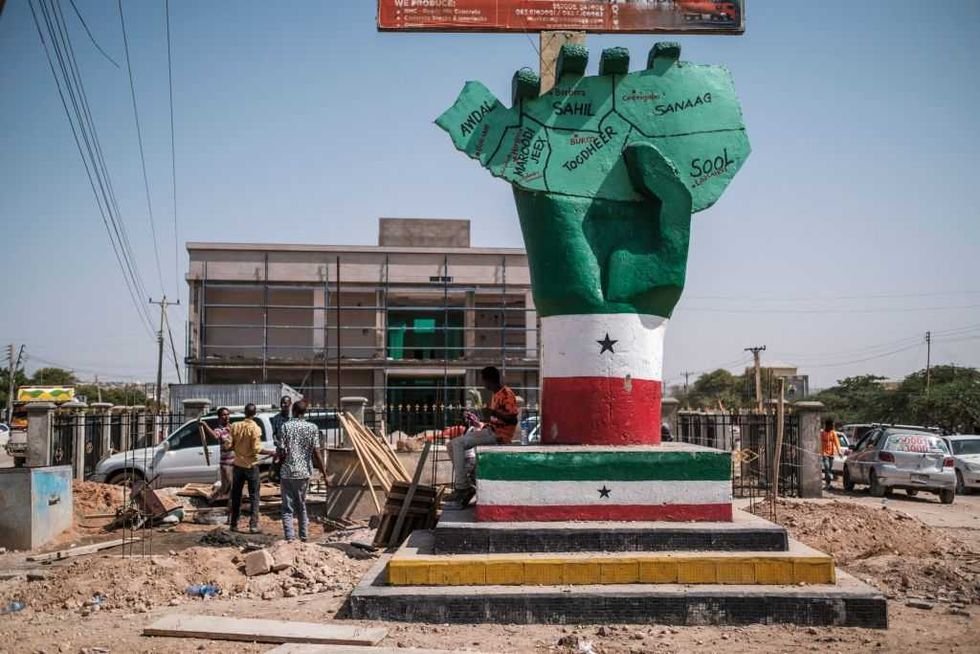
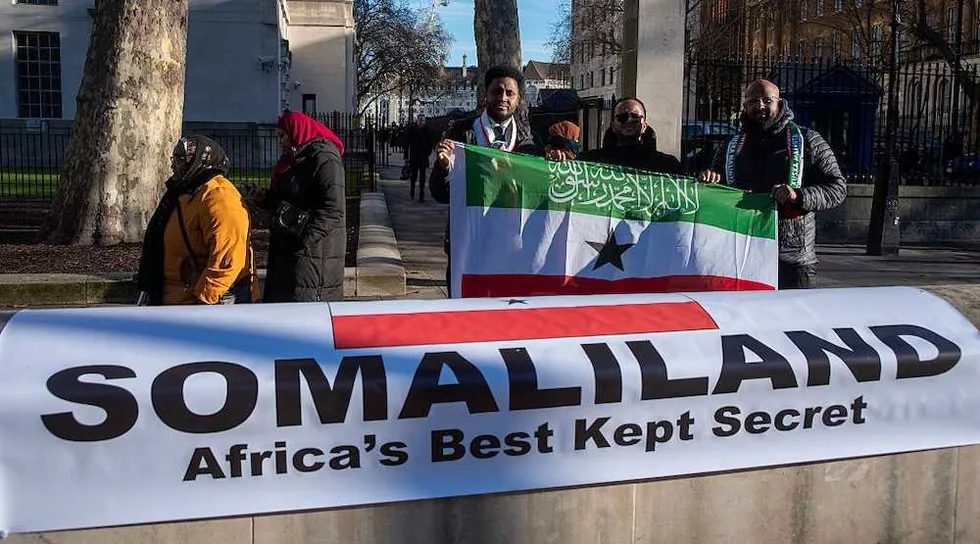
Somaliland has governed itself for decades, has shown interest in deeper ties with the United States and its allies, and sits beside one of the world’s most important maritime corridors. Sen. Ted Cruz (R-Texas) has argued that recognition would advance U.S. interests in the Horn of Africa through counterterrorism, anti-piracy operations, and cooperation with partners such as Taiwan and Israel. He is right.
Recognition should be followed by a formal security relationship allowing regular intelligence cooperation, military access, and a forward operating presence along the Gulf of Aden.
Geography is Somaliland’s strongest argument. It sits across from Yemen near the approaches to the Red Sea and the same waters the Houthis have threatened to close.
Others have noticed. Reports indicate that Israel has explored a strategic presence in Somaliland as part of its response to the Houthi threat. The United States has no comparable formal footprint. Access there could support counter-Houthi operations, intelligence collection across the Gulf of Aden, and the fight against Al-Shabaab in Somalia. Israel understands the value of the location. Washington should too.
The United States also needs to reduce its dependence on bases within easy striking distance of Iran. On a recent webinar, retired Gen. Frank McKenzie, the former head of U.S. Central Command, described the problem bluntly: “No one in their right mind would ever put the CENTCOM forward headquarters, you know, 100 miles away from Iran, yet that’s where it is.”
RELATED: The Navy has a choice: Get better or become less relevant
He elaborated: “It’s good to be close to your potential enemy because it’s a short commute to the fight. It’s bad to be close to your potential enemy, because he has the ability to strike you very quickly.”
I have previously argued that Washington should distribute regional assets across secure, aligned territories rather than concentrate them where host governments can restrict access, basing, or overflight. Somaliland would not replace Al Udeid or every existing Gulf facility. It would give the United States another option when allies limit operations or adversaries threaten choke points.
A U.S. presence in Somaliland would also signal that Washington is willing to reward capable partners instead of remaining trapped by diplomatic habits that no longer serve American security. Recognition would carry costs, including friction with Somalia and other governments committed to Somalia’s territorial integrity. Those costs should be weighed against the strategic value of a reliable partner at the mouth of the Red Sea.
The crises in the Strait of Hormuz and Bab el-Mandeb are warnings. Iran and the Houthis are trying to turn geography into coercion. The United States should turn geography back into deterrence.
Recognizing Somaliland would give the United States a stronger hand in the Red Sea, a better position against terrorist threats, and greater freedom to operate when existing partners hesitate. A proactive strategy begins by securing options before the next crisis closes them off. The time to act is now.