



As a physical therapist, I have seen the same problem countless times. A patient makes steady progress for months, then suddenly plateaus. The exercises have not changed. The injury has not worsened. The patient is doing everything right, yet lingering pain or weakness will not budge.
After some investigation, we often find the cause: a medication problem. A prescription changed. A refill was delayed. A side effect went unrecognized. The patient’s body began responding differently, and the rehabilitation plan stalled.
Protecting pharmacy access is not a favor to one industry. It is part of protecting the patient’s path back to health.
Physical therapy, prescribing, and pharmacy cannot operate as separate worlds. Most patients who enter my clinic have at least one chronic condition, one prescription, or both. Medication can affect pain, balance, fatigue, inflammation, and healing. The pharmacist who understands a patient’s history and drug regimen belongs on the care team, not outside it.
Physical therapy can often reduce pain and restore movement without long-term reliance on medication. But after surgery or during a complicated recovery, pharmaceutical support may play an essential role. Patients do best when movement, hands-on care, and medication work together deliberately rather than through guesswork.
Recovery already asks a great deal of patients. A death in the family, an unexpected bill, or a difficult work schedule can disrupt appointments and home exercise. Those obstacles are hard, but patients can usually manage them with planning and support.
A collapsing pharmacy network is different. Patients cannot will a closed counter back into service, reach an unavailable pharmacist, or fill a prescription that remains trapped in a broken system.
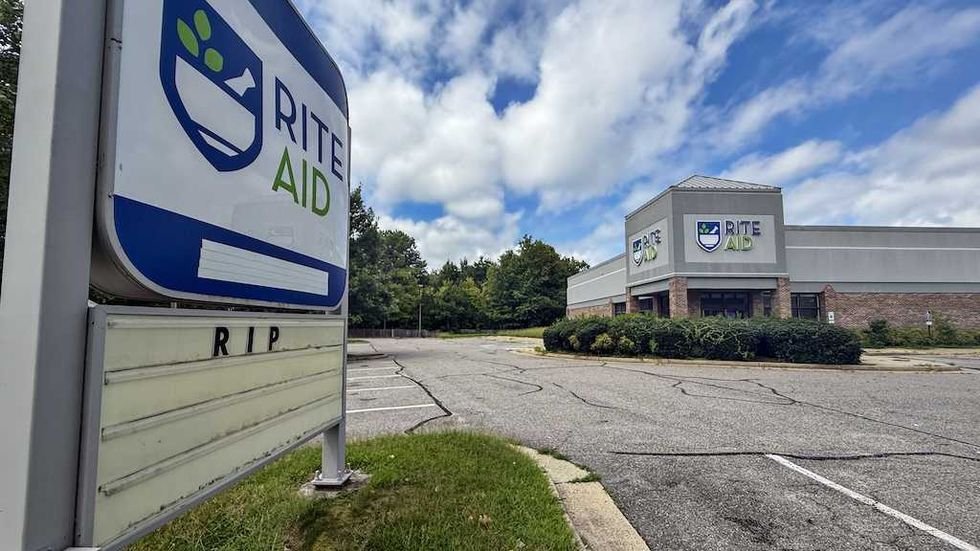
Look at San Francisco, which now faces a “pharmacy crisis.” National chains have closed locations, while independent pharmacies struggle to survive. In Missouri, state officials are suing CVS and other pharmacy benefit managers over insulin pricing. Lawmakers may intend to lower costs, but poorly designed interventions can destabilize the same pharmacy networks patients depend on.
The ownership model is secondary. A national chain and a neighborhood independent may operate differently, but either can provide essential access. When either disappears, patients lose timely refills, answers about side effects, and help resolving dosing questions. In physical therapy, that can mean slower progress, cautious loading, missed sessions, and avoidable setbacks.
A short-staffed pharmacy creates similar problems. Patients struggle to reach prescribers and may wait days for guidance. Pharmacists often serve as the most accessible medication experts in the health care system, but accessibility requires someone behind the counter with enough time to listen.
When those questions go unanswered, therapists are left working around uncertainty. We may not know whether dizziness comes from the exercise program, the underlying condition, or a new medication. We may have to delay progress because safe rehabilitation does not permit guessing.
RELATED: Joy Behar’s TrumpRx rant shows how elites think

I see the opposite when pharmacy access works. Sometimes a pharmacist’s clarification or a small medication adjustment helps a patient move past the last trace of a limp. Sometimes it allows a musician to use his fingers comfortably again. When the pharmacy side of the plan aligns with physical therapy, patients can recover faster without adding unnecessary costs or complications.
The care I provide is important, but recovery succeeds through cooperation. Physical therapists restore movement. Prescribers diagnose and choose treatments. Pharmacists catch interactions, explain side effects, and help patients use medications safely. Large chains and local independents both employ professionals who perform that work every day.
Pharmacists have become “integral to chronic disease management.” Policymakers should treat them that way. Any reform aimed at drug prices, corporate practices, or pharmacy benefit managers should begin with a basic test: Will patients retain reliable access to a pharmacist?
When the answer is no, the consequences reach far beyond the pharmacy counter. They appear in rehabilitation clinics, physician offices, emergency rooms, and patients’ homes.
Good rehabilitation depends on movement expertise and medication expertise working together. Protecting pharmacy access is not a favor to one industry. It is part of protecting the patient’s path back to health.