



One of the most influential military strategists of the 20th century, U.S. Air Force Col. John Boyd, developed a decision-making process known as the OODA loop: observe, orient, decide, act.
His model emphasized a simple but powerful principle: Move quickly, but only after understanding the strategic environment.
Nations that lead biotechnology will enjoy not only economic advantages but also strategic leverage during future global crises. China understands this.
The most important step is often “orient.” It requires leaders to look beyond the immediate problem, understand the broader consequences of their actions, and anticipate unintended outcomes. When leaders skip that step, they may solve today’s problem while creating a much larger one tomorrow.
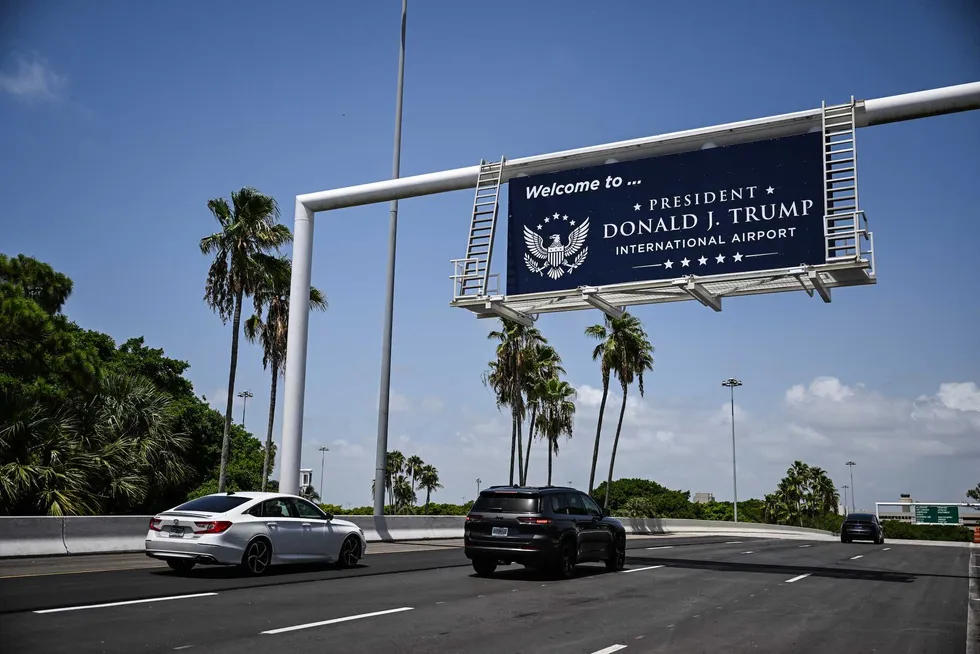
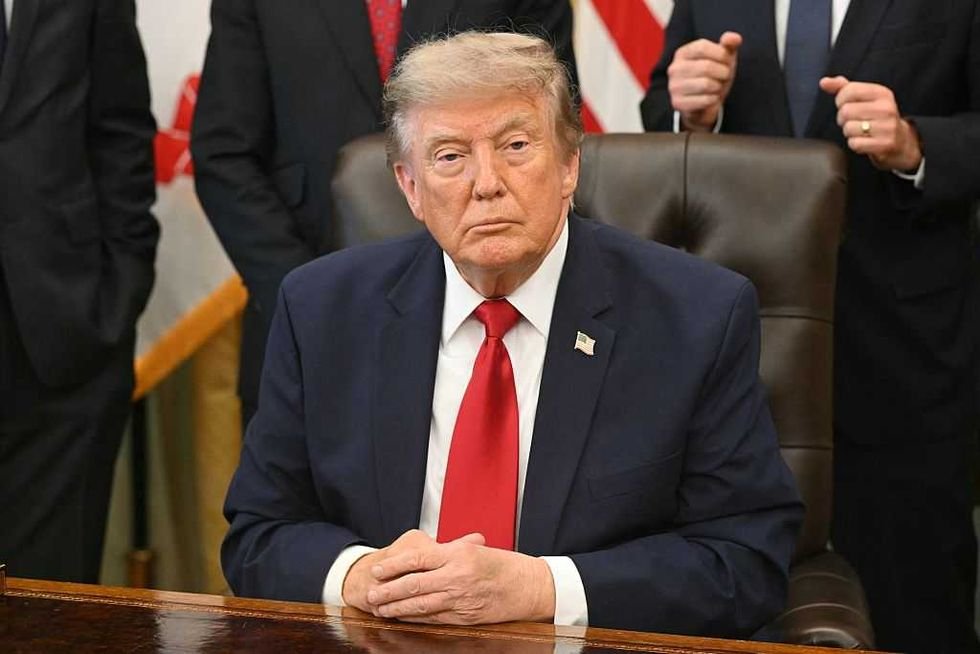
President Donald Trump’s recent effort to reduce prescription drug prices illustrates that challenge.
One of the administration’s most significant health care initiatives is the adoption of a most-favored-nation pricing model. Under this policy, the United States would tie the prices of certain prescription drugs to the lower prices paid by selected foreign countries.
The objective is understandable. Americans often pay substantially more for prescription medicines than patients in Europe or Canada. Reducing those costs would help millions of families.
But sound public policy requires looking beyond immediate savings.
Economists have long recognized that government-imposed price controls often reduce investment and supply over time. In the early 1970s, President Richard Nixon imposed broad wage and price controls in an effort to combat inflation.
Instead, the country experienced stagflation — the painful combination of high inflation and slow economic growth. Energy price controls contributed to gasoline shortages by reducing incentives for increased production. Rent-control policies in cities such as New York have similarly discouraged new housing construction, contributing to housing shortages.
Pharmaceuticals operate under similar economic realities.
Developing a single breakthrough drug often requires more than a decade of research, thousands of unsuccessful experiments, and billions of dollars in investment. The profits from successful medicines finance the research that produces tomorrow’s cures.
If government policies significantly reduce those returns, companies are unlikely to stop producing today’s medicines. More likely, they will reduce research and development spending, slowing the pace of innovation.
RELATED: Big Pharma’s miracle drugs have a nasty side effect

That slowdown would be both an economic and national security concern.
Biotechnology has become one of the world’s most strategically important industries. It influences health care, agriculture, artificial intelligence, military medicine, pandemic preparedness, and protection against biological threats.
Nations that lead biotechnology will enjoy not only economic advantages but also strategic leverage during future global crises.
China understands this.
Just as Beijing has invested aggressively in artificial intelligence, critical minerals, semiconductors, and advanced manufacturing, it has identified biotechnology as a strategic national priority.
Between 2016 and 2021, the market capitalization of Chinese biotechnology companies grew to approximately $300 billion, while the Chinese government invested heavily in research centers, biotechnology hubs, and advanced scientific education.
The numbers tell an even more compelling story.
According to the National Security Commission on Emerging Biotechnology, China completed more than 7,100 clinical drug trials in 2024, compared with roughly 6,000 in the United States. China’s share of global clinical trials has grown from approximately 1% in 2009 to nearly 30% today, while America’s share has declined.
Chinese scientists now produce roughly 60% of the world’s most-cited biotechnology research papers, and China accounts for 22% of international pharmaceutical and medical technology patents — an increase of nearly 380% over the past decade.
China also graduates approximately twice as many STEM students as the United States each year.
These statistics show that China views biotechnology as a critical component of future economic and military power. The United States, by contrast, risks treating one of its greatest strategic advantages primarily as a domestic pricing issue.
That should concern every American.
The COVID-19 pandemic exposed the vulnerabilities created by dependence on foreign supply chains for medicines and medical equipment. Imagine a future pandemic — or a deliberate biological attack — in which America depends not merely on foreign manufacturing but also on foreign research, patents, advanced therapies, and biotechnology innovation.
The leverage China now enjoys through its dominance of critical minerals could become far greater if it also dominates the technologies needed to develop vaccines, precision medicine, or defenses against biological weapons.
None of this means prescription drug prices should remain high. Americans deserve affordable medicines.
The challenge is finding policies that lower costs without discouraging the innovation that has made the United States the global leader in biomedical research.
Trump’s leadership style has often been characterized by speed — moving rapidly to implement broad policy changes and challenge long-standing assumptions.
Speed can be an advantage in business, where quick decisions often create competitive advantages. But governing a nation is fundamentally different from managing a corporation. Public policy affects industries, scientific leadership, national security, and future generations.
Decisions that appear successful in the short term can produce unintended strategic consequences years later.
Boyd understood this better than most. The goal was never simply to act quickly. It was to understand the entire battlefield before deciding how to act.
America should pursue reforms that make prescription drugs more affordable. But before adopting policies that could reduce investment in biotechnology, policymakers should pause long enough to complete Boyd’s “orient” step.
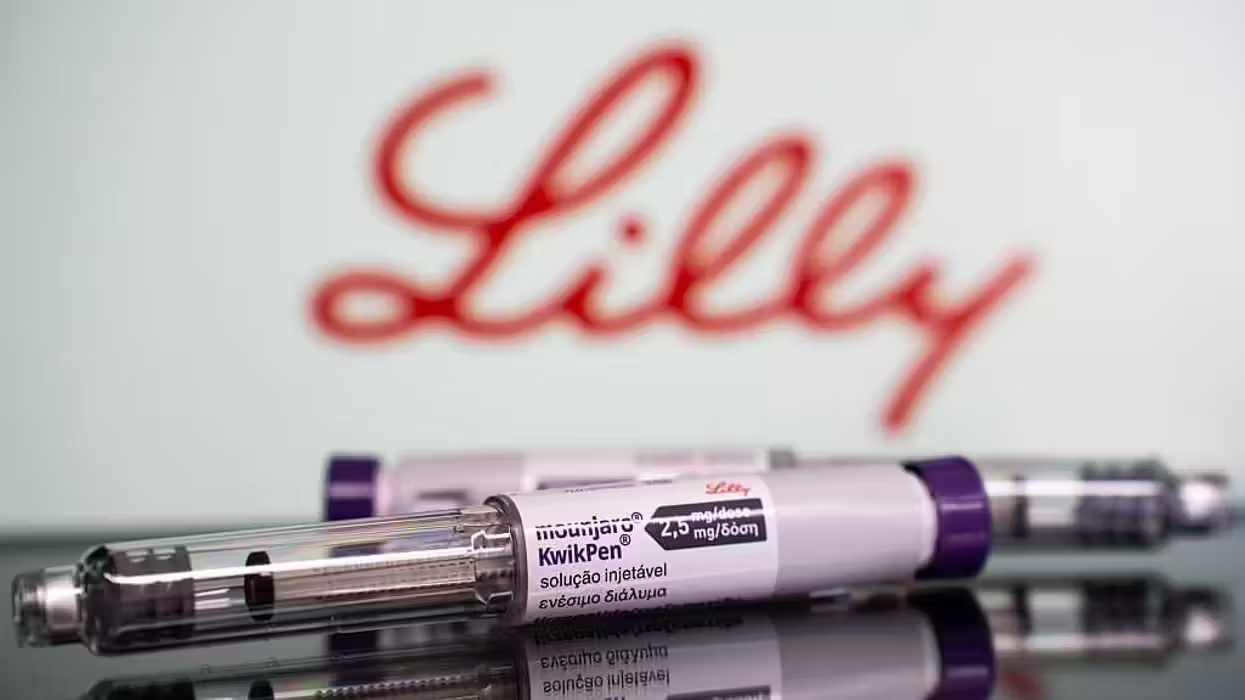
RELATED: Eli Lilly strikes a $3 billion Chinese drug deal
In an era of growing strategic competition with China, protecting America’s leadership in biotechnology may prove as important to national security as maintaining superiority in the air, at sea, in space, or in cyberspace.
Sometimes the most dangerous consequences of a decision are not the ones we see today.
They are the ones we fail to anticipate tomorrow.