


How Each Side Could Muff the Peace Deal
The Americans and the Iranians are showing signs of reverting to their usual bad habits.
Wickedness and folly seem to be carrying the day, as usual; you’d expect nothing less heading into the weekend’s orgy of democracy. True to type, the Trump administration continues to misunderstand central elements of the negotiations to end the war with Iran; meanwhile, the Iranians, whose analysis and execution have been more robust than the standard set in recent years, also look as if they have set their hearts on squandering their strong cards, a classic maneuver in the Islamic Republic’s tradition of foreign policy.
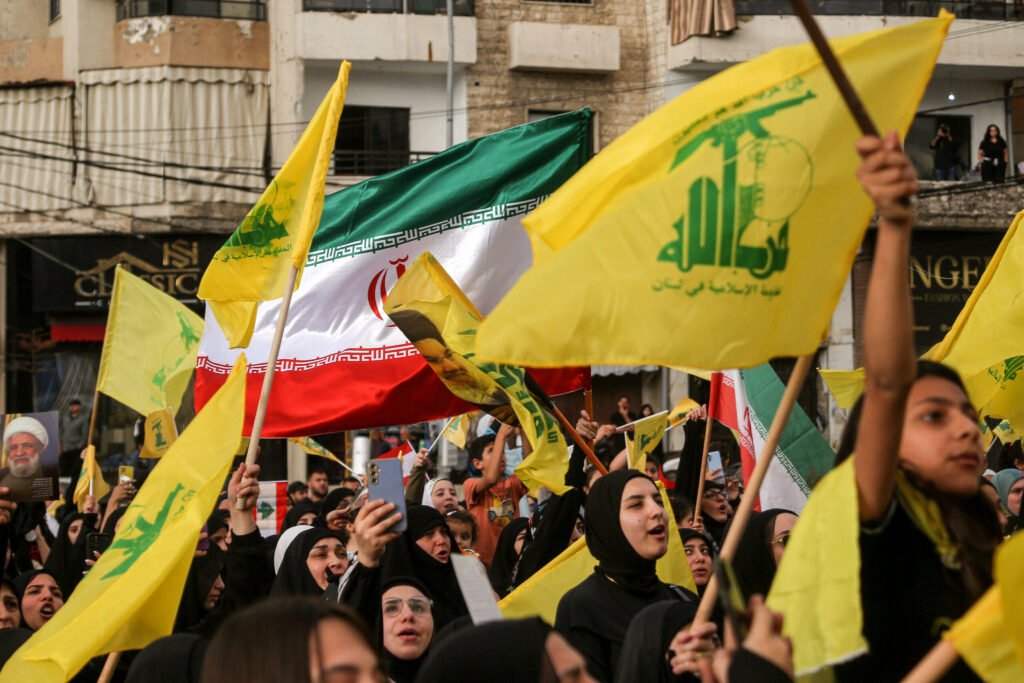
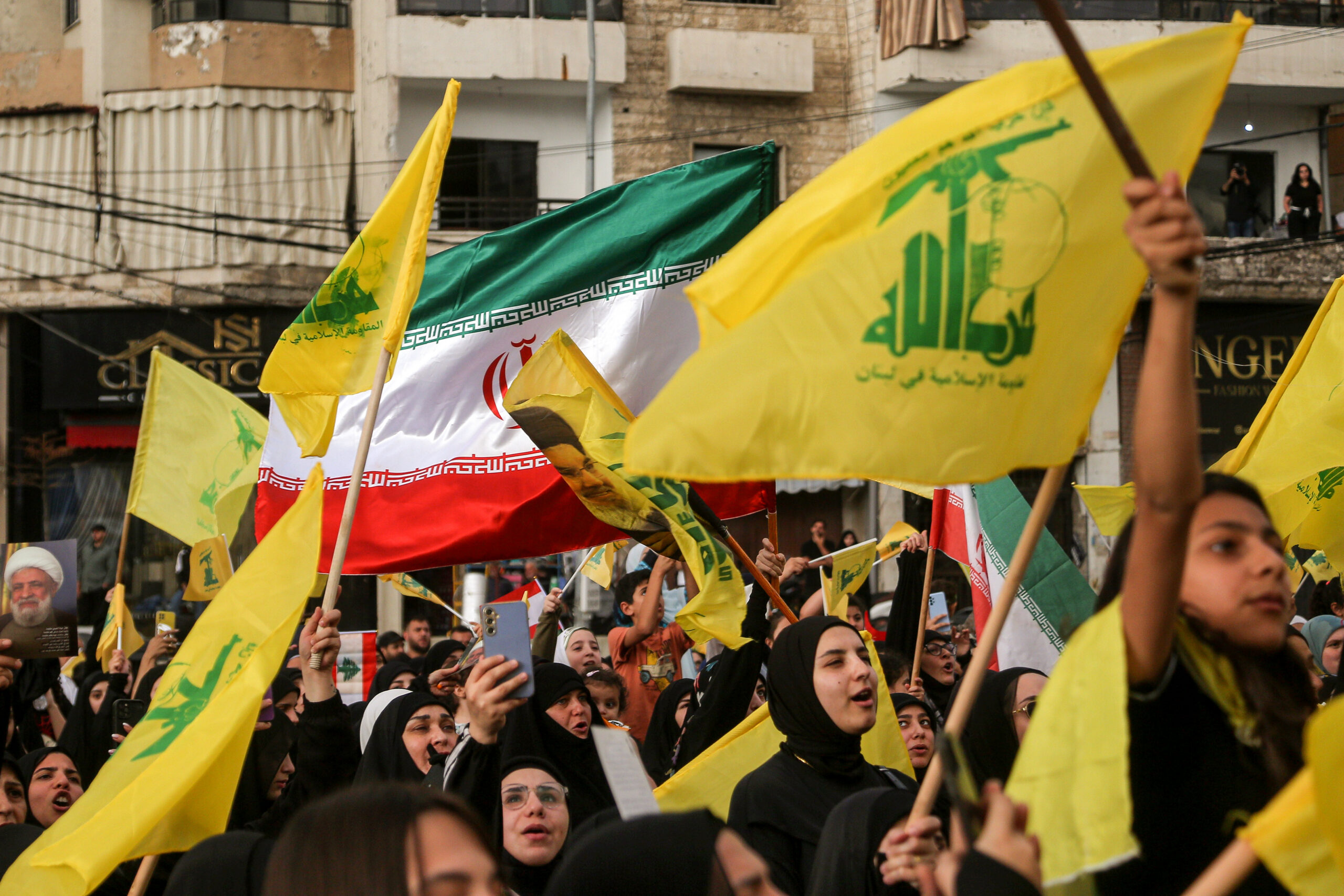
On the American side, negotiators continue to evince little understanding of the Lebanon file and its place in the broader Middle Eastern combination. After the signing of the U.S.–Iran memorandum of understanding, which places a priority on settling the Lebanon front, the boys downtown hastily picked up the dropped threads of the peace process that was already well under way, if not particularly promising, when the most recent war rendered it a bit of an afterthought. The resulting U.S.-brokered framework for a Lebanon–Israel deal was announced with some fanfare last week. Its core premise is that Israeli withdrawal from Lebanese territory would be matched by the extension of the Lebanese army into the vacated areas—no territorial vacuums for Hezbollah to hang out and lob rockets toward Jerusalem.
This is, superficially at least, a charming bit of wishful thinking. Ask yourself: If the Lebanese army were strong enough to clear out Hezbollah, wouldn’t they have done it already? The entire problem is predicated on the weakness of the Lebanese state! The framework in effect says that the problem will stop being a problem, without reference to any sort of concrete measures. One almost suspects that at least one of the parties involved in drafting this framework doesn’t actually want the Israelis to withdraw from Lebanon.
Danny Citrinowicz, a former Israeli intelligence officer and current Atlantic Council fellow, noted on Twitter that a more realistic framework would have negotiated Hezbollah’s redeployment away from the contested regions. Of course, this would require the Americans freshening up their paradigms about the Middle East and chatting with Hezbollah directly. To the Americans, Al Qaeda remains the point of reference for “bad guys”—a true non-state actor, primarily ideological in its motivations, and its ideology mostly rooted in theology. This is a bad model for Hezbollah, which structurally is much more like the Irish Republican Army or its splinters: It straddles the line between political and non-political, drawing support from a large portion of the population, its motivations a mix of ideology and nationalism. And it is a near-peer or better to the Lebanese government itself; realistically, any peaceful settlement in Lebanon is going to have to account for Hezbollah. (For whatever it’s worth, Trump does not seem allergic to trying to work something out directly, although his suggestion that the new management in Syria take a crack at Hezbollah is a mind-boggling illustration of how poorly American leadership understands the dynamics of the region.)
As for non-peaceful settlements in Lebanon—well, it seems likely that Iran would rather blow up the ceasefire. In addition to its long historical ties to the Islamic Republic, Hezbollah has been one of its most effective sticks for beating the Israelis in the current war. Further, the occupation of southern Lebanon has crystallized regional fears about Israeli expansionism; it is an act that has engendered its own opposition. Iran is not just going to give away one of its most important points of leverage, and one that is popular with the Arab street to boot.
The Americans don’t really seem to get any of this, which seems like a concrete challenge. The usual American approaches to the Middle East—fuming, wishing things were different, bellowing about how we just need more will, the feckless application and then removal of force, and so on—aren’t going to work. (At least not if we don’t want to go kinetic across the region again.) In short, the trajectory in Lebanon will tend to keep things unresolved and explosive, which is not in the long-term American interest of retrenchment.
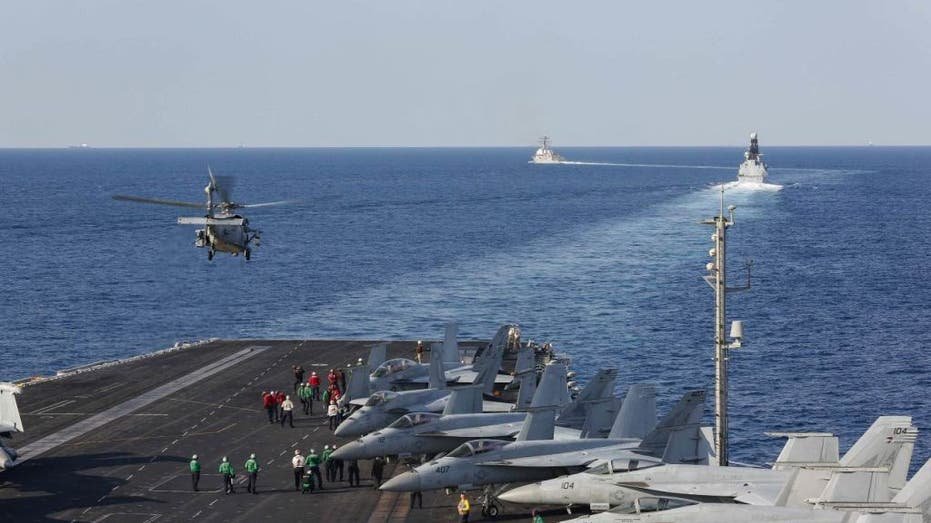
Meanwhile, the Iranian side is riding high, as usually happens right before the Islamic Republic does something dumb. The Wall Street Journal reports that the Iranian government expects revenue from its Strait of Hormuz toll system to be an almost laughable $40 billion. As Derek Davison pointed out, this is two orders of magnitude higher than the Turkish income for maintaining the Bosporus (income that does in fact mostly go back into the waterway’s infrastructure); the onerous fees that would be required to generate that number would, if not persuade the U.S. and its Gulf sidekicks to leave the negotiating table outright, at least render Hormuz control a wasting asset, encouraging the rest of the region to find less expensive routes for getting their exports to market. The vague theory that the Gulf as a whole will somehow cooperate in the administration in return for a share of the spoils again seems like our good friend from an earlier paragraph, wishful thinking—the Gulf countries are, by and large, quite happy not to get paid but to be able to move cargo freely.
For Iran, the best actually plausible outcome seems to be a more modest fee structure that, while it is not a huge revenue-generator, embeds Iran in international administration as a normal nation among normal nations. (For the U.S., it’s not a great outcome, but is probably livable if the thing is framed with enough face-saving language comparing it to other strategic waterways with local administrators. If we had wanted the Strait to remain truly open, maybe we shouldn’t have launched a war of which an obvious consequence would be its closure.) Pressing maximalist demands will prove counterproductive. Even if it doesn’t encourage the U.S. to go for broke and try to reopen the strait by force, it will tend to reduce the inherent leverage of control by encouraging others to find workarounds.
Also counterproductive is the Iranian insistence on keeping talks indirect when their team is unhappy with how things are going. There have been a number of hiccups in negotiations conducted by the indirect process—largely because Pakistan is an inexperienced if enthusiastic mediating country—that could have been avoided if both teams had been sitting in the same room. Nobody (at least nobody outside Iran) is especially impressed by or even understands whatever point the Iranian side is trying to make by not meeting with the Americans directly; at best, it’s confusing, and, at worst, it’s an expression of weakness redolent of the Islamic Republic’s most abject years. Being rude is the final recourse of those who don’t have real power. The impression among the Americans and other Westerners that Iran is weak has in fact encouraged hostility against Iran; a dose of acting normal for once could go a long way.
The United States and the Islamic Republic are uniquely ill-suited to getting along. The progress during this period of negotiation seemed like a break from precedent. Can their governments resist returning to form?
The post How Each Side Could Muff the Peace Deal appeared first on The American Conservative.