

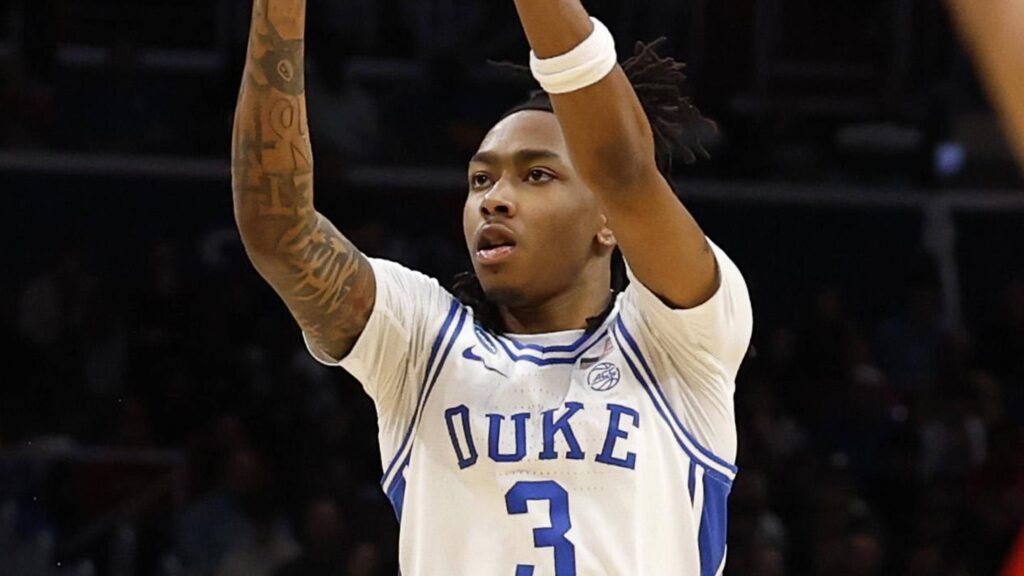
Former Duke basketball sharpshooter Isaiah Evans had to wait much longer than originally anticipated before being selected in the 2026 NBA Draft.
Evans elected to enter the 2026 NBA Draft and bypass his remaining collegiate eligibility as a projected mid-to-late first-round pick. Things didn’t pan out that way.
Isaiah Evans’ Draft Fall
The 6’6″ wing was invited to the NBA Draft Green Room, but ended up being the last prospect in the room at the end of the night, as Evans went home empty-handed. The first 30 picks of the 2026 draft came and went, and Evans did not hear his name called.
Immediately, the financial repercussions of Evans’ decision to make the jump to the NBA instead of returning to college are clear. Had Evans come back to college basketball, whether that be for Duke or another program via the transfer portal, the North Carolina native certainly would’ve made a hefty paycheck. His decision to head to the NBA leaves potentially millions of dollars on the table.
Evans was eventually selected with the No. 33 pick in the draft by the Minnesota Timberwolves, and he has the skill set to carve out a role at the NBA level. Still, most second-rounders are handed non-guaranteed or two-way contracts, which will likely pay Evans significantly less than he would’ve earned in college basketball in 2026-27.
The former Blue Devil took a bit of a gamble, and, in the immediate moment, it didn’t pay off. Now, Evans can obviously go on to earn multiple contracts in the NBA, but it’s impossible to ignore the financial consequences that have arisen given his fall in the NBA Draft.
How Isaiah Evans Will Impact Future NBA Draft Classes
The 2026 NBA Draft was the first year we saw several lock-first-round talents return to college basketball for the guaranteed NIL money. UConn’s Braylon Mullins was probably the most prominent example, who could’ve been a lottery pick this summer.
As time goes on, these lucrative NIL deals for top college players and transfers will only increase. This offseason, Baylor transfer Tounde Yessoufou, the No. 4 overall transfer per 247Sports, will earn around $7 million with St. John’s next season, making more than the majority of first-round picks in the 2026 NBA Draft.
As these contracts become increasingly valuable, the depth of the NBA Draft will continue to drop, with Evans as a pioneer example of the gamble between heading to the NBA or returning to college not paying off on draft night.
Evans isn’t the only example. Former North Carolina forward Henri Veesaar reportedly could’ve earned at least $5 million in college basketball next season. After going through the pre-draft process, Veesaar remained in the draft as a projected mid-to-late first-rounder.
Veesaar’s fall was even more significant than Evans’, as the former Tar Heel was taken with the No. 52 overall selection by the Atlanta Hawks.
With the NIL era of college sports so young, future prospects in positions similar to Evans and Veesaar will look back at this draft when making their decisions. It’s a risk, and future talents could look at these former college stars as examples of how it can go wrong.
As such, more of these mid-to-late first-round prospects could head back to school, greatly affecting the depth of the NBA Draft each year.
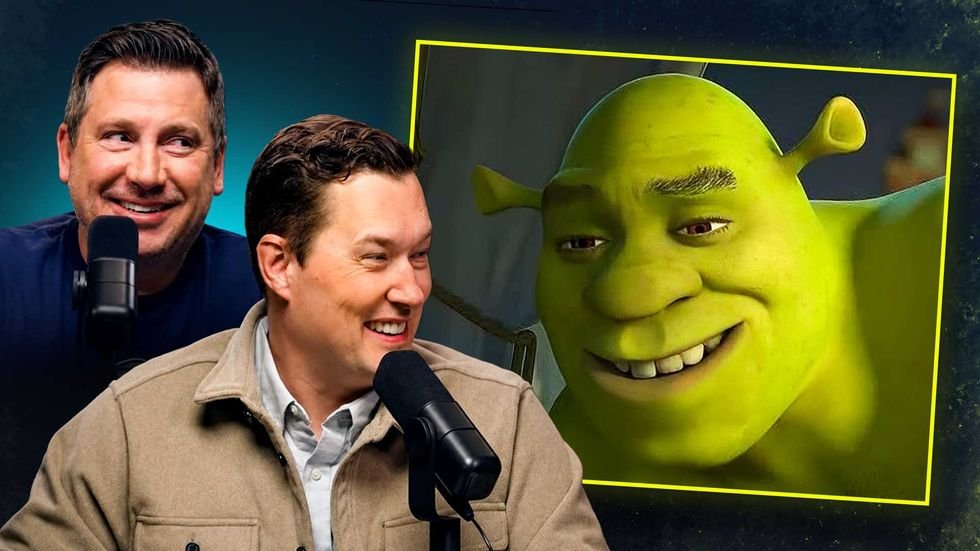
Watch Our Full Podcast on This Topic:
 Add us as a preferred source on Google