Skip to content








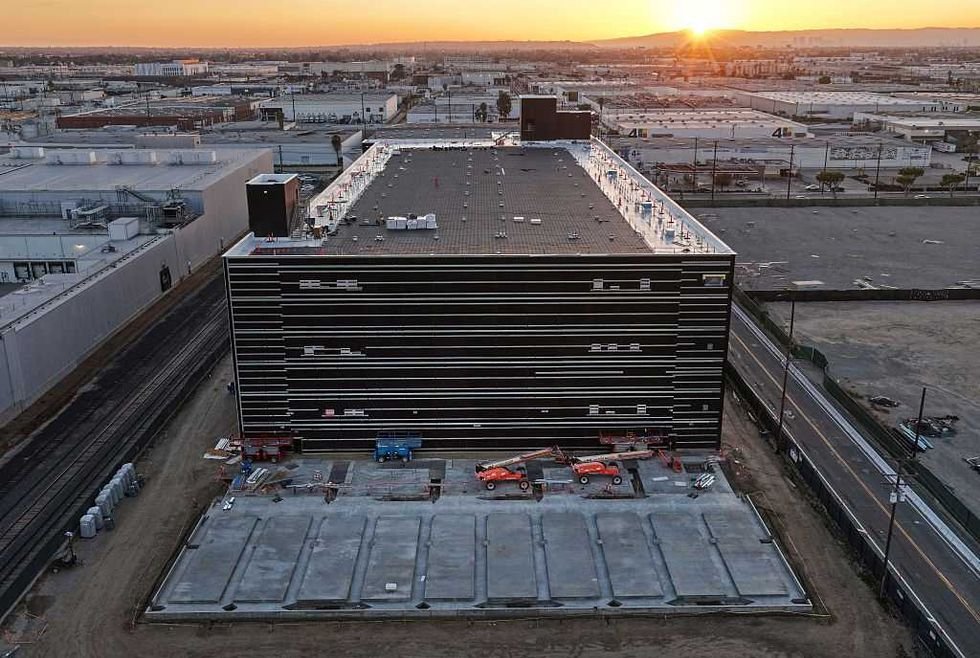
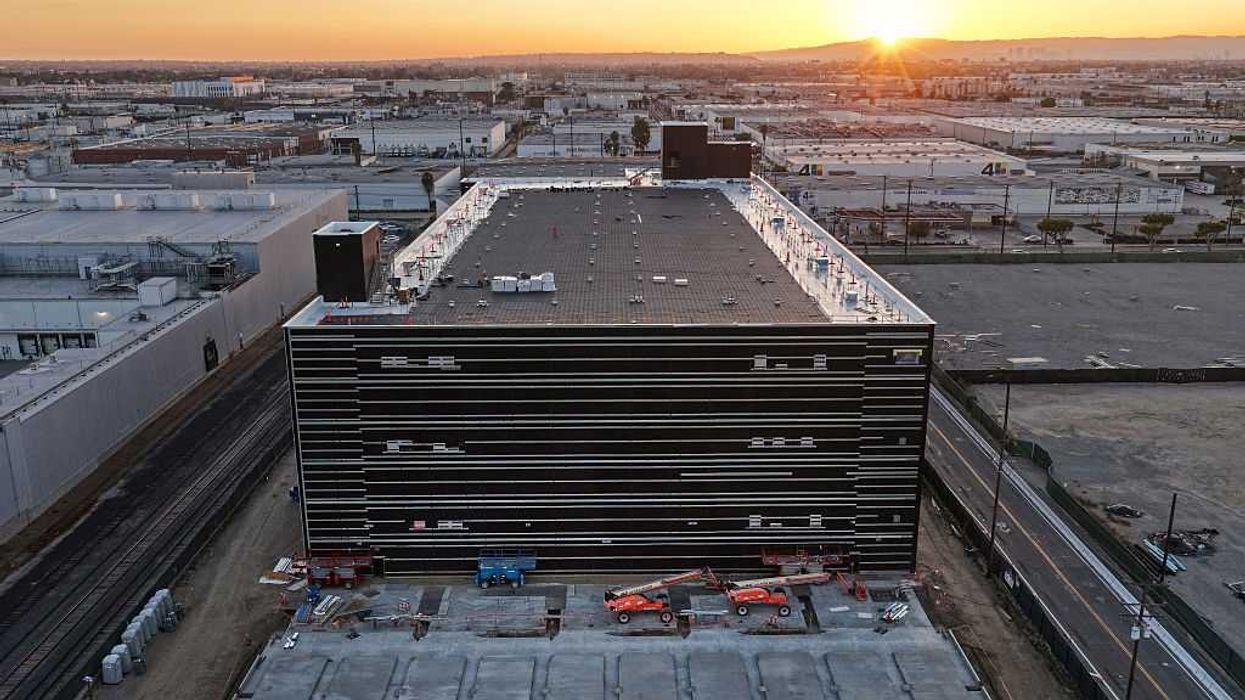
Across the country, cities and counties are implementing temporary moratoriums on new data center construction. My city of Cheyenne, Wyoming, is no exception. Petitions are now circulating asking the city to adopt a one-year moratorium as constituents question the long-term impacts of rapid expansion.
While these concerns have been present for some time, the proposed annexation of 1,260 acres of ranch land west of the city has intensified skepticism about whether large-scale data center development actually benefits our community.
What happens when existing data centers need more power than their private substations can supply?
Cheyenne currently has 12 fully operating data centers. When these facilities arrived, Black Hills Energy implemented a tariff requiring large data users — those with electricity loads above 13 megawatts — to build their own substations and pay for their own power. This system was designed to shield residents and small businesses from rate increases. In the short term, it made sense.
The long-term question, however, is what happens when existing data centers need more power than their private substations can supply? If they must tap into the main power grid, the system in place that protects ratepayers could be strained. Before we approve a dramatic expansion of this industry, we need to study potential impacts to the power grids.
Water usage is another important question. According to the Cheyenne Board of Public Utilities and Cheyenne LEADS, all local data centers currently use around 1.2% of Cheyenne’s total water supply.
This low figure is possible because most new facilities use closed-loop cooling systems. However, projections suggest Cheyenne could someday host 40 to 70 data centers. Even with efficient systems, scaling up at that magnitude requires answers about flushing cycles, chemical additives, long-term cumulative water draw, and environmental impacts.
These questions are reasonable and very important for a community in a semi-arid region.
Security considerations must also be part of the discussion. Loudoun County, Virginia, hosts more than 200 data centers, but its proximity to Washington, D.C., and major federal facilities provides a level of deterrence that Cheyenne does not share.
Wyoming is one of the most rural states, so a dense cluster of data centers could present an attractive target for hostile actors. Our region’s missile sites were intentionally hidden and widely dispersed. Data centers built closely together inside a city make a very large target.
RELATED: The terrifying scale of the data center land-grab
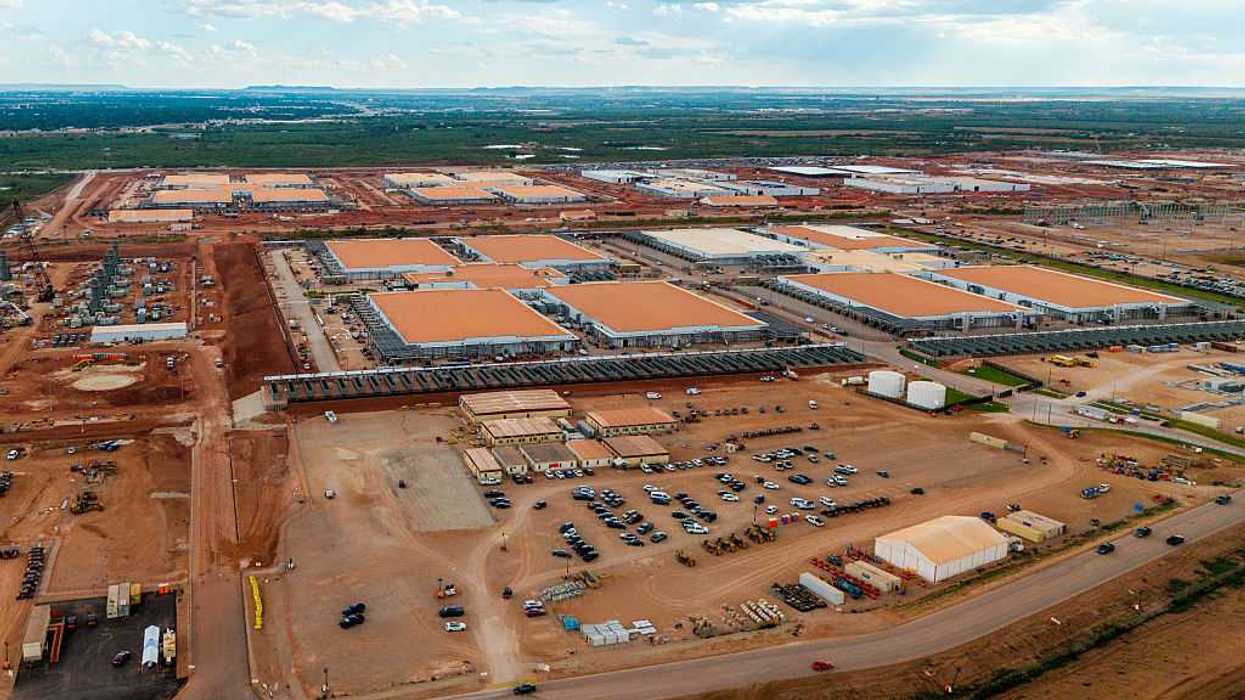 Kyle Grillot/Bloomberg/Getty Images
We must also consider the impact on agriculture — one of the cornerstones of Cheyenne and Laramie County’s economy. A data center requires the usage of at least 225 acres or more of land, according to the World Resources Institute.
Rising land values driven by industrial demand could potentially price out ranchers and farmers, accelerating the loss of agricultural land. In 2025, according to the Wyoming Farm Bureau, agriculture contributed $163 million to Laramie County’s economy, the second highest in Wyoming.
Undermining that sector would have long-term consequences far beyond the next development cycle.
This discussion is not about rejecting data centers altogether. They play a role in national security and economic diversification. Most of the data centers currently operating or under construction in Cheyenne’s business parks have been net positives.
The real question is how many facilities Cheyenne can responsibly support without compromising our infrastructure, safety, agricultural industry, or quality of life.
For these reasons, I have sponsored a 12-month moratorium on new data center construction. This pause gives our city the time to analyze future power needs, water demand, land use, and security implications before committing to a future we cannot reverse.