Skip to content









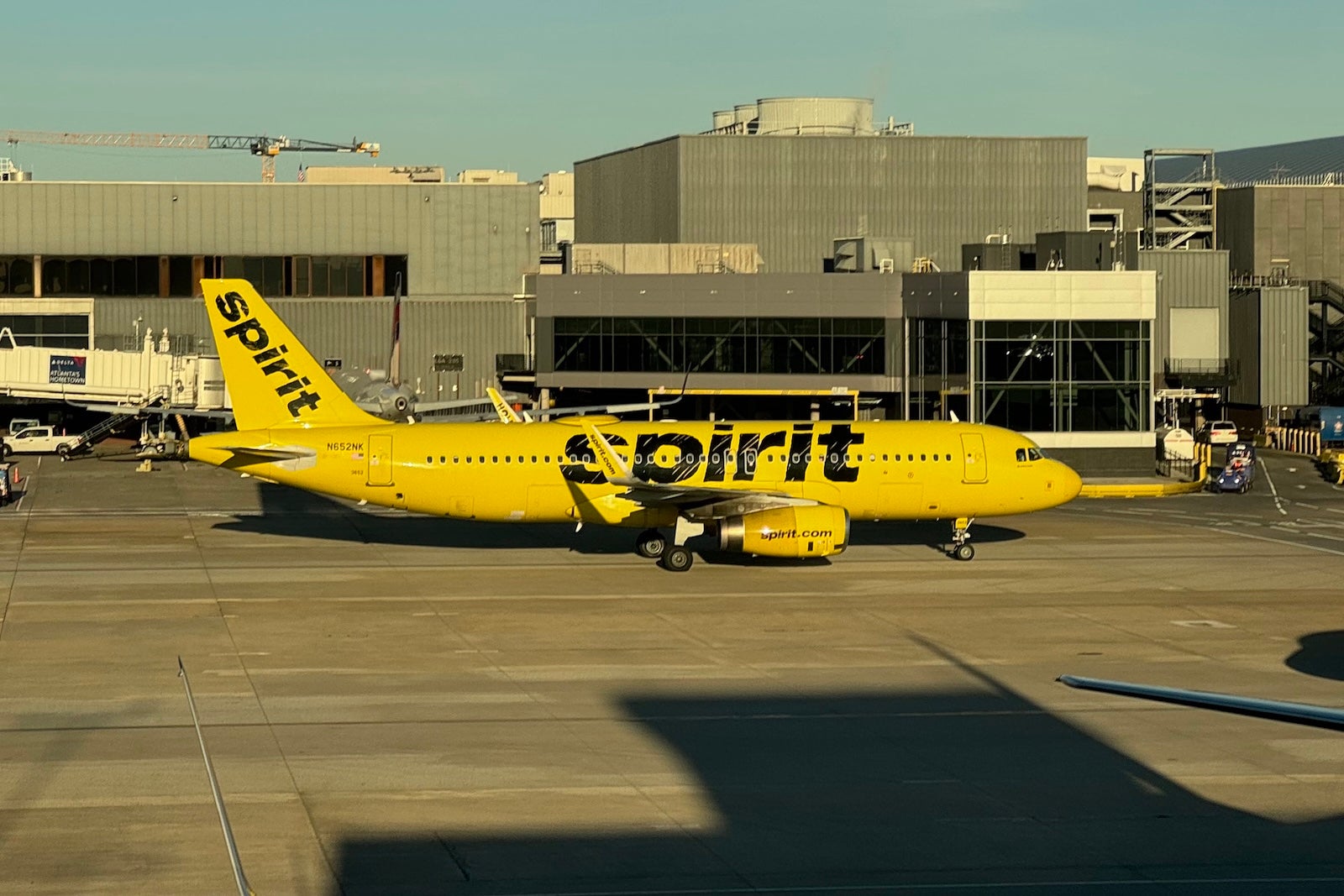
Spirit Airlines abruptly shut down Saturday morning as its financial woes came to a head. It marked the end of the budget carrier — but also left passengers and employees stranded at airports across the country. The shuttering of Spirit’s big yellow planes also put travel plans in flux for anyone with a Spirit flight already booked (and paid for) in the coming weeks and months.
The encouraging news: Spirit on Saturday promised refunds to travelers with flights booked in the future, and competitor airlines offered rescue fares on certain routes
However, plenty of uncertainty remained for customers. The U.S. Department of Transportation on Saturday was quick to warn: “Bankruptcy proceedings are complex, and they can potentially impact what compensation consumers were entitled to.”
If you’re scheduled to fly with Spirit in the near or distant future — or if you find yourself stranded somewhere far away from home now — here’s what you need to know.
Refunds on Spirit Airlines: What to know
Right as it shuttered operations early Saturday, Spirit released an “FAQ” page with information about what consumers can expect, going forward.
Top of mind for customers: Spirit said it would “automatically process refunds” for any flights booked directly with Spirit via credit or debit card.
If you booked flights with a third-party travel site or agency, the airline said, contact them for a refund.
What about trips booked with vouchers or points?
Compensation for travelers who booked using vouchers, trip credit or award flights via Free Spirit points “will be determined at a later date,” the airline said, through bankruptcy court proceedings.
That would certainly seem to leave the state of award bookings, and any Free Spirit points in members’ accounts, in flux.
Prior to Spirit suspending operations, TPG had valued its points at roughly 1.1 cents apiece.
Credit card protections
Even if you’re not successful in getting money back from Spirit, passengers with future tickets should be able to get some form of refund, as long as they paid by credit card.
Most major credit cards offer a range of consumer protections and allow holders to dispute charges for goods and services that the vendor fails to deliver.
This would include airfare if the airline is no longer able to provide the transport you’ve paid for.
Call the number on the back of your credit card, tell the representative that you want to dispute a charge, and then follow the instructions to submit a claim.

“However, there’s no guarantee the refund will be made,” Henry Harteveldt, president and travel industry analyst at Atmosphere Research Group, warned in a past interview.
If you used a debit card to buy the ticket, it’s possible but less likely that you’ll be able to file a dispute for undelivered services, according to the U.S. Department of Transportation. You should still call the number on the back of your card to learn about your options.
Keep in mind that these undelivered service claims apply only when the vendor is at fault. If you choose to cancel a nonrefundable trip, you can’t initiate a chargeback.
Read more: Will your credit card reimburse you for Spirit Airlines tickets?
Typically, during a bankruptcy and liquidation scenario, consumers are among the last to get their money back. Whatever funds and assets are left typically go to creditors first, then to various other parties, and finally to customers and employees, near the bottom of the list.
Spirit: No compensation for stranded traveler costs
One thing you shouldn’t count on from Spirit?
Reimbursement for travel costs like hotels, backup flights or taxi rides as a result of being stranded.
“Spirit is unfortunately not able to reimburse guests for incidental travel costs associated with cancelled trips,” the airline said.
Travel insurance may help — but it might not
Travel insurance — whether it’s a stand-alone policy or the trip interruption/cancellation coverage included with some credit cards — can save the day when the unexpected happens. It can cover expenses like alternate travel arrangements, hotels and even things like new clothes, phone chargers, meals and luggage.
Whether or not it could help Spirit flyers, though, would depend on your specific insurance policy.
Credit cards with travel insurance protections
Unfortunately, the travel insurance policies included with many major credit cards do not appear to apply if the airline you book with goes out of business.
In the benefits guide for the Chase Sapphire Reserve® (see rates and fees) for instance, a list titled “What’s not covered?” includes “Default of the Common Carrier resulting from Financial Insolvency or Financial Insolvency of a Travel Agency, Tour Operator, or Travel Supplier.” The term “common carrier” refers to a company — such as an airline, train service, or ferry operator — that transports people.
Similarly, in the benefits guide that comes with the American Express Platinum Card®, you’ll find, “Financial insolvency of a travel agency, tour operator, or Travel Supplier” is listed below the headline “What is not covered” for its trip cancellation and interruption insurance*.
*The maximum benefit amount for Trip Cancellation and Interruption Insurance is $10,000 per Covered Trip and $20,000 per Eligible Card per 12 consecutive month period. Eligibility and Benefit level varies by Card. Terms, Conditions and Limitations Apply. Please visit americanexpress.com/benefitsguide for more details. Underwritten by New Hampshire Insurance Company, an AIG Company.
What about stand-alone travel insurance?
If you have a stand-alone insurance policy that you purchased separately, this situation might be covered. Check your policy documents, and call the reporting line to start a claim if you’re not sure.
There’s one possible catch, however. Spirit filed for bankruptcy in August, just months after emerging from an earlier bankruptcy. As Chrissy Valdez, senior director of operations at insurance marketplace Squaremouth, previously told TPG, there’s a chance that tickets purchased after the bankruptcy filing won’t be eligible for coverage; this is because the bankruptcy counts as a “known event,” which is like a preexisting condition.
Booking new flights and ‘rescue fares’
Unfortunately, if your flight has been canceled, you’re stuck paying for a new flight out of pocket. Prices are high as summer approaches, so you may need to be more flexible when making new arrangements.
Most major U.S. airlines on Saturday announced rescue fares for stranded customers. More on that here.
Beyond that, using Google Flights, and search across all airlines. Be open to taking a flight with a connection even if you’d prefer a nonstop. Check different dates and airports if you can.
You’re not likely to find any good deals with miles, since airlines price awards dynamically. Still, it’s worth checking award prices if you happen to be sitting on a big stash of points.
Bottom line
The liquidation of Spirit marks a sad and unfortunate end to the storied ultra-low-cost airline. While plenty of people loved to hate on Spirit, the airline nevertheless opened travel opportunities to a wide swath of people and forced legacy airlines to lower their prices to compete.
If a potential Spirit insolvency leaves you in the lurch, you may have some options to recover your airfare and possibly even expenses.
But even so, with summer travel coming up and spring break currently underway, this is a tough time of year to book last-minute flights. If your travel plans have been affected, it may take some creativity and flexibility to salvage your trip without paying an arm and a leg.
Editorial disclaimer: Opinions expressed here are the author’s alone, not those of any bank, credit card issuer, airline or hotel chain, and have not been reviewed, approved or otherwise endorsed by any of these entities.