Skip to content








The A-10 may be in the twilight of its career, but that doesn’t mean it’s done proving new capabilities, some of which could impact the USAF’s larger tactical airpower force. In particular, it just tested one capability we have been highlighting as a huge opportunity and potential necessity for a future fight in the Pacific.
A test A-10, looking like it borrowed its nose from an A-6 Intruder, flew for the first time equipped with a refueling probe in place of its nose-mounted aerial refueling receptacle earlier this week. The program has been ongoing for some time. Within days of that first flight, the test ‘Hog’ successfully plugged into a C-130 equipped with aerial refueling drogues. An image, circulating on social media, shows the A-10 in question connected to a drogue trailing behind a Hercules.
Not AI. Current testing.
Hog on a Droge.
When they start landing in Carriers, I’m out. pic.twitter.com/17quJjBf4M
— COL (Ret) Jeff in
(@JeffFisch) April 3, 2026
Author’s note: On April 7th, 2026, the Air Force released images of the test along with a written statement about it. You can read that statement at the bottom of this article. The images are posted below (all credited to SMSgt Charles Givens/USAF):
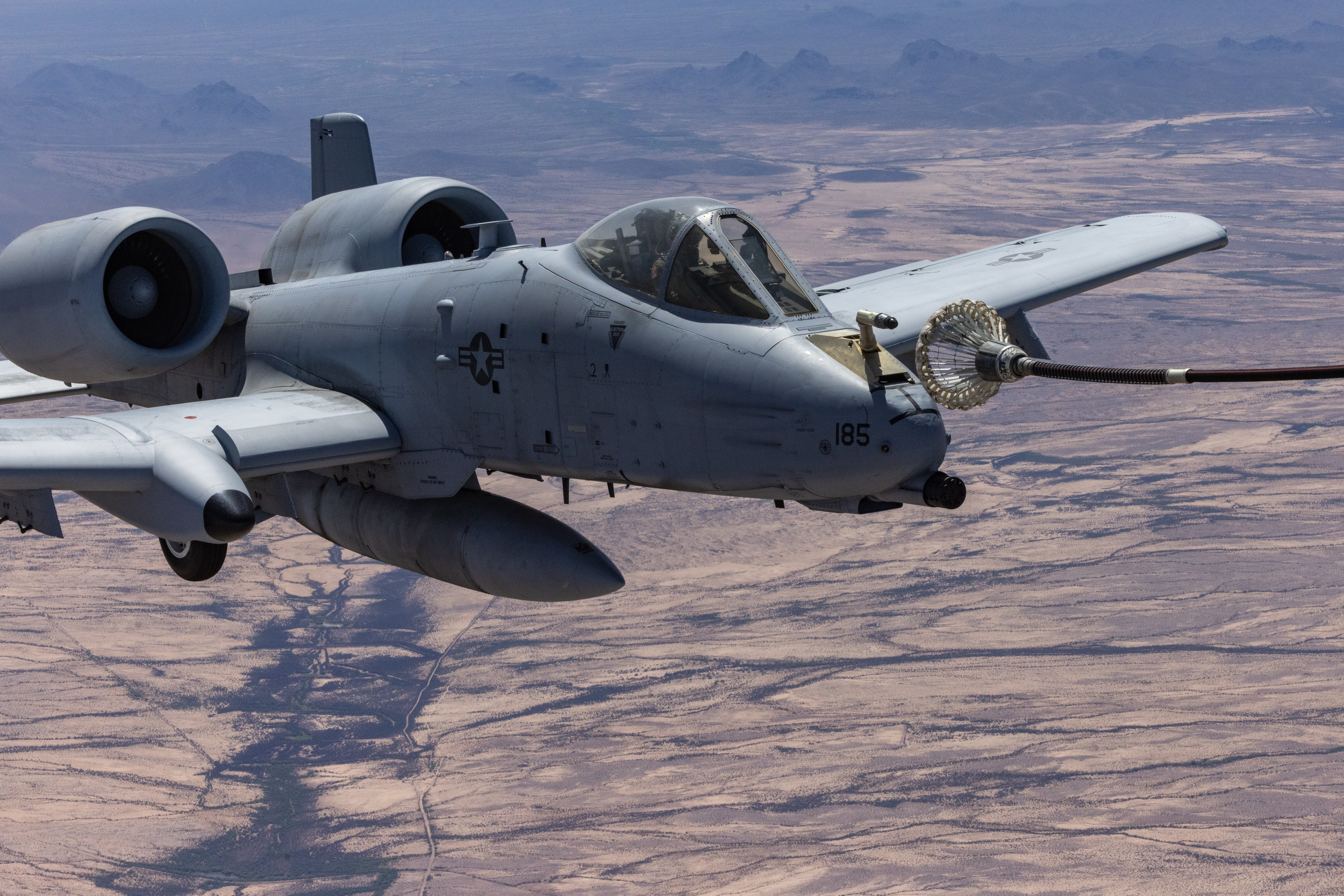
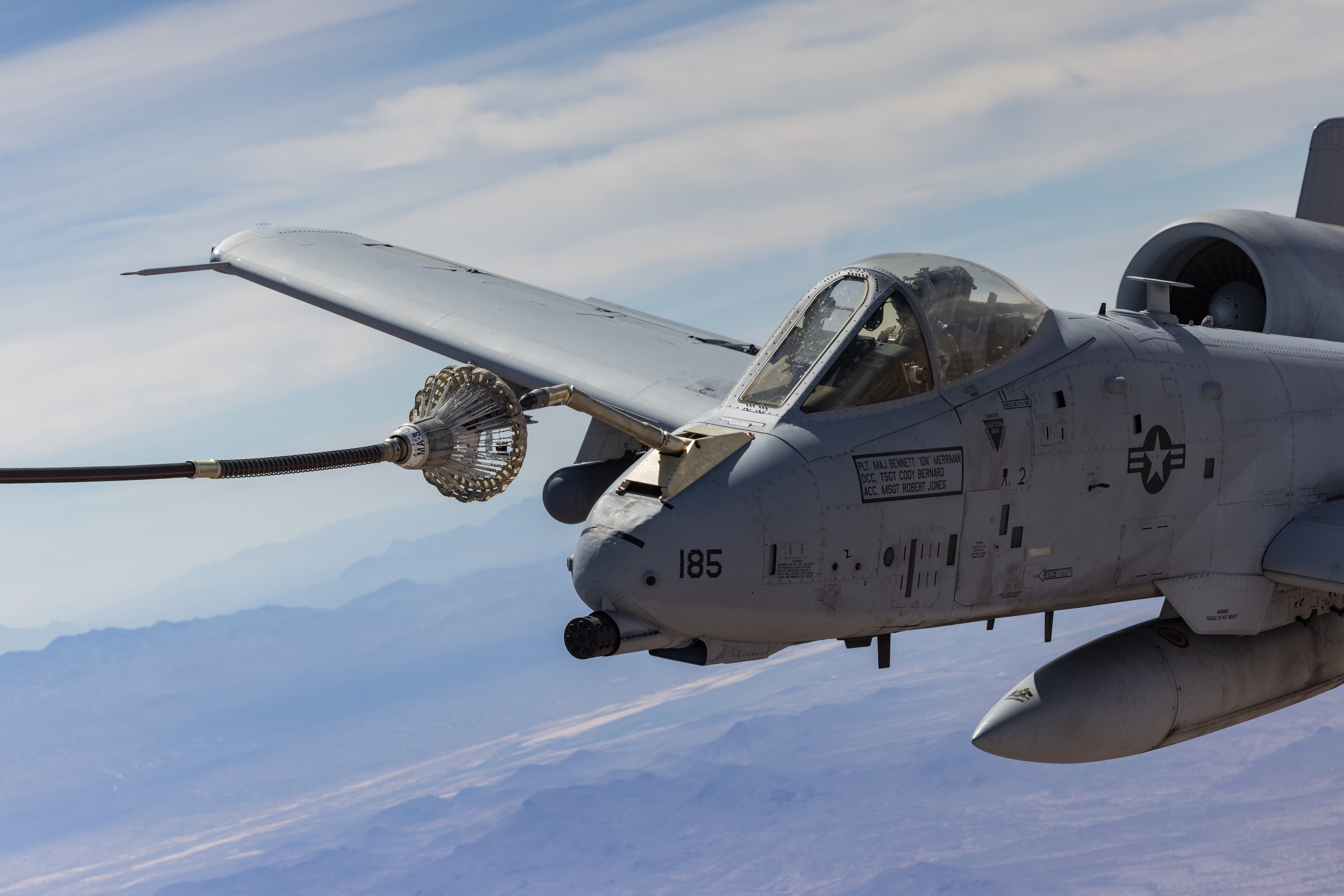
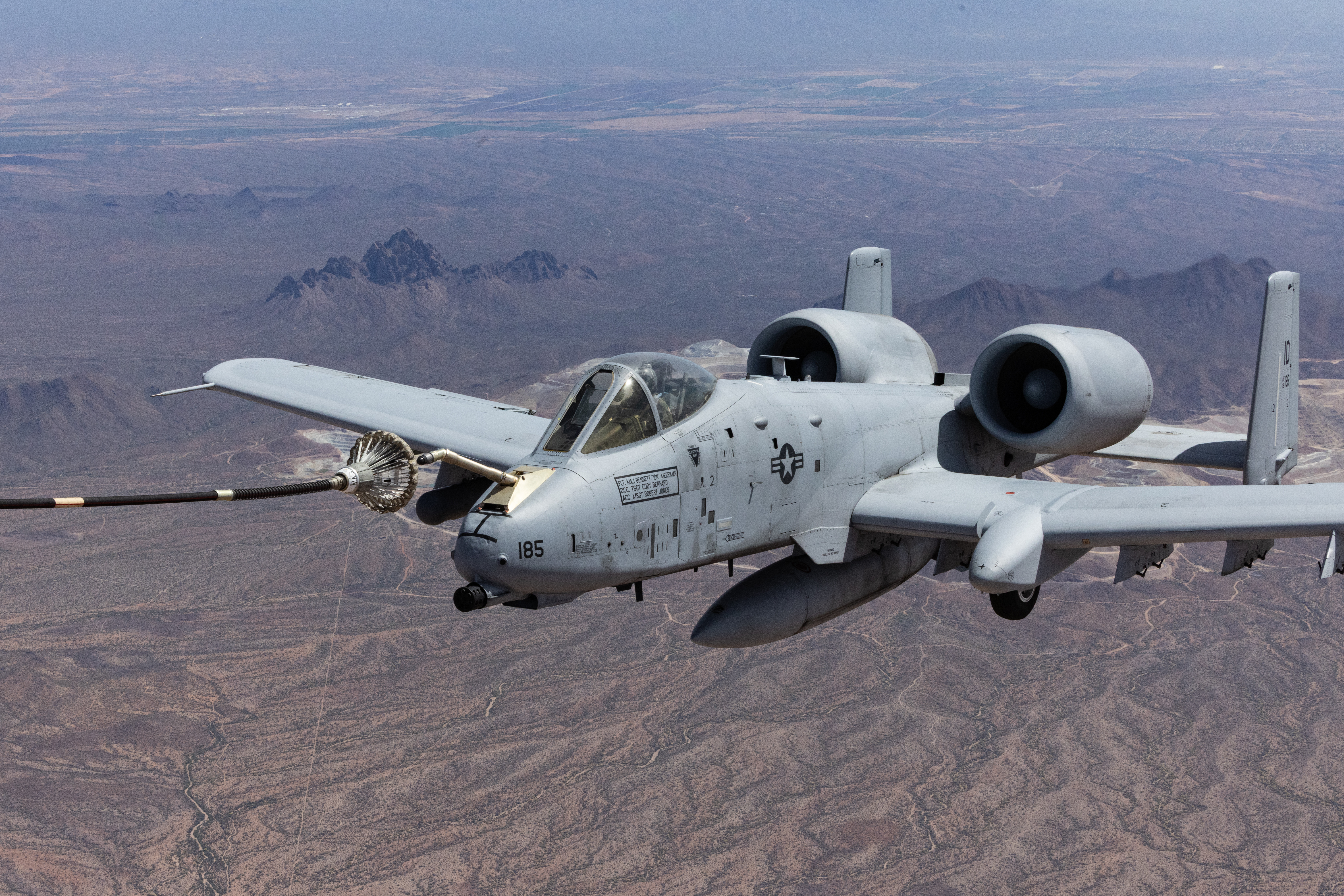
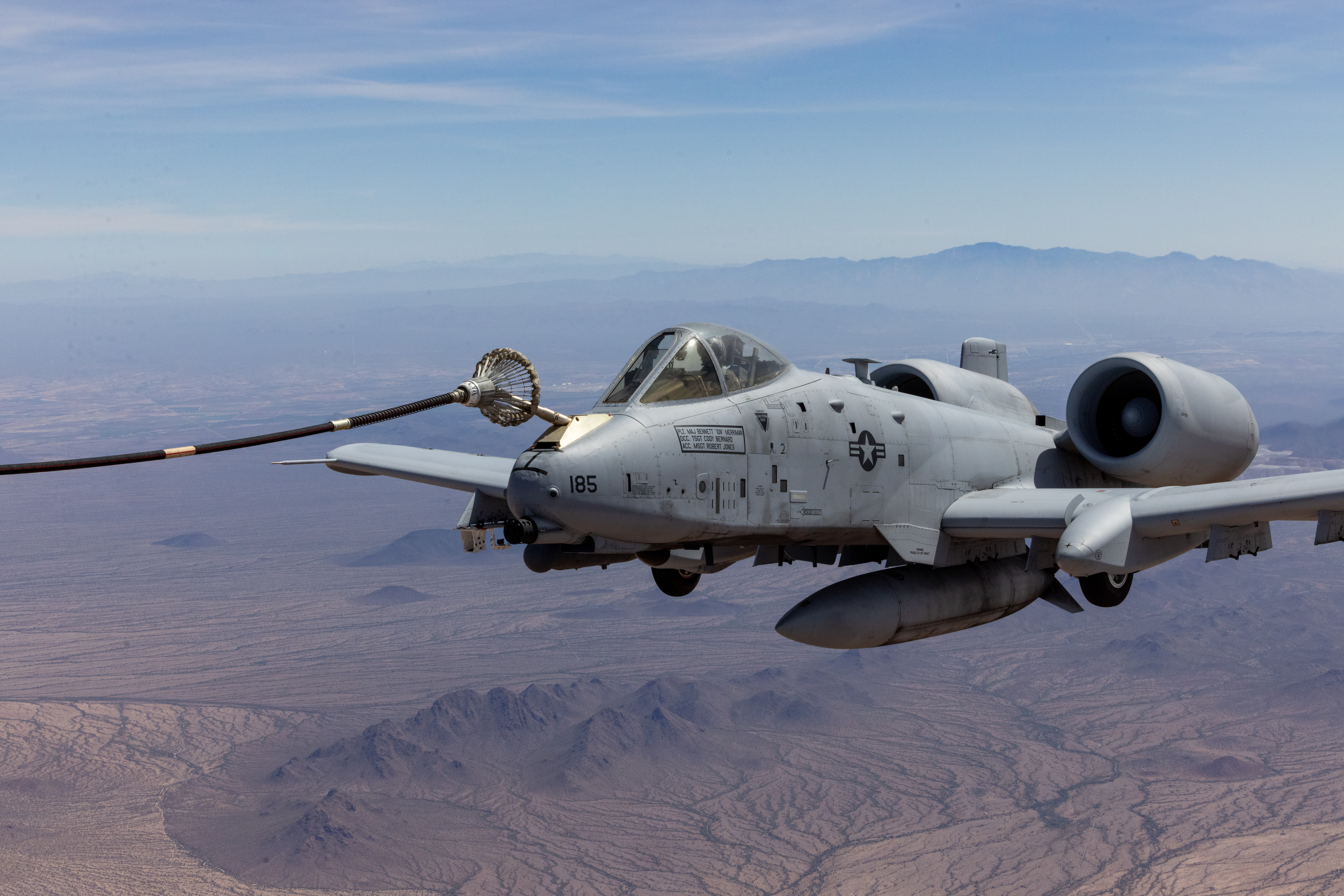
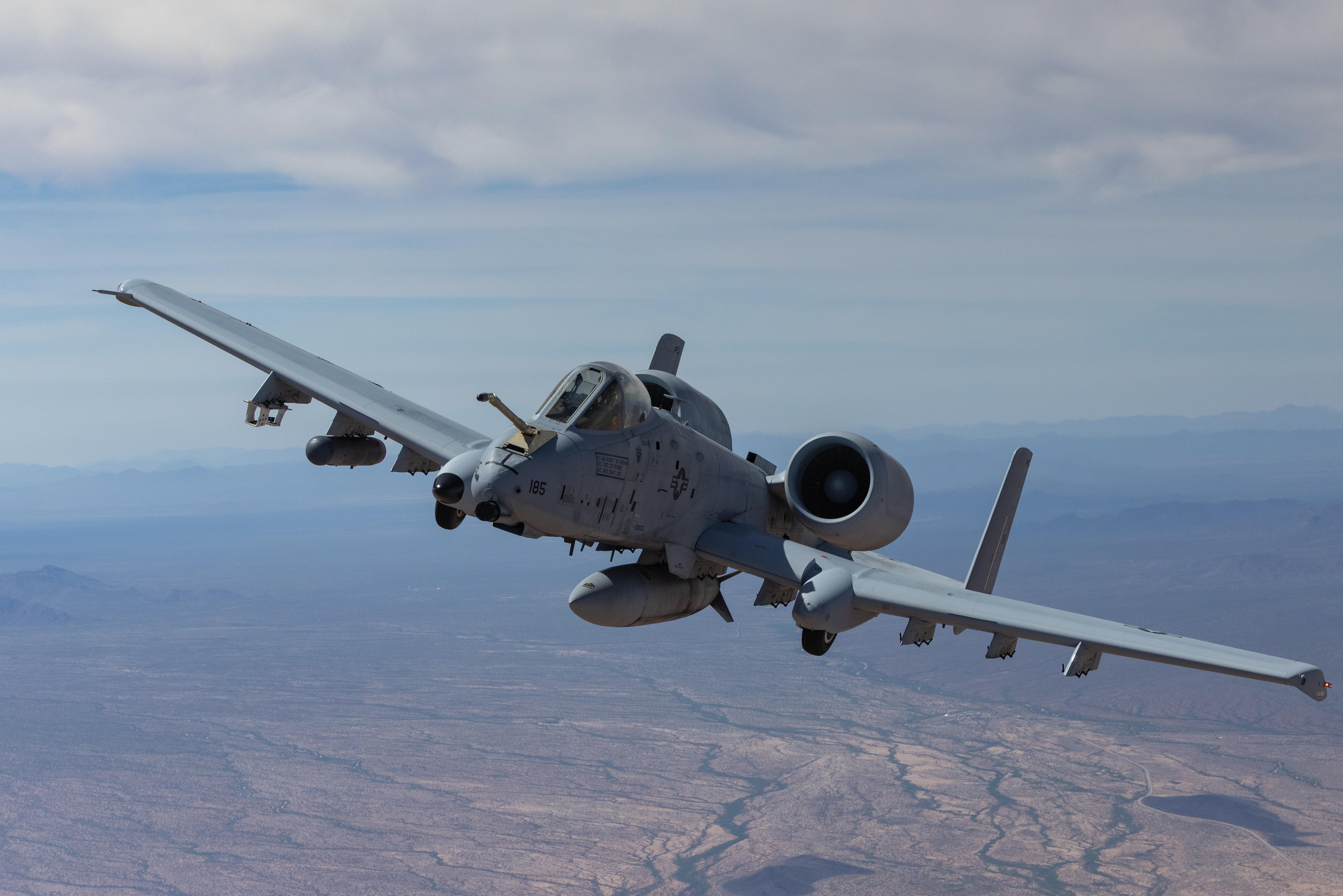
The implications of this test go beyond the A-10. We had previously made the case, in detail, how USAF fighters equipped with probes would be of extreme value during a crisis in the Pacific. We also have made the case for smaller tactical tankers supporting these operations and how they could be essential to the USAF’s success in such a conflict.
The ability for fighters to launch with heavy loads from short runways, even those that have been battle damaged, and immediately tank-up on gas before heading deeper into enemy territory would be a huge plus for the USAF. Currently, all of its tactical jets use the receptacle and boom mode of aerial refueling, where a jet tanker plugs into them, usually at high altitudes, for refueling. This makes the USAF’s Agile Combat Employment strategy, where fighters will hop from one austere forward airfield to another in order to stay ahead of the enemy’s targeting cycle, and stay within range of being combat relevant, somewhat problematic.
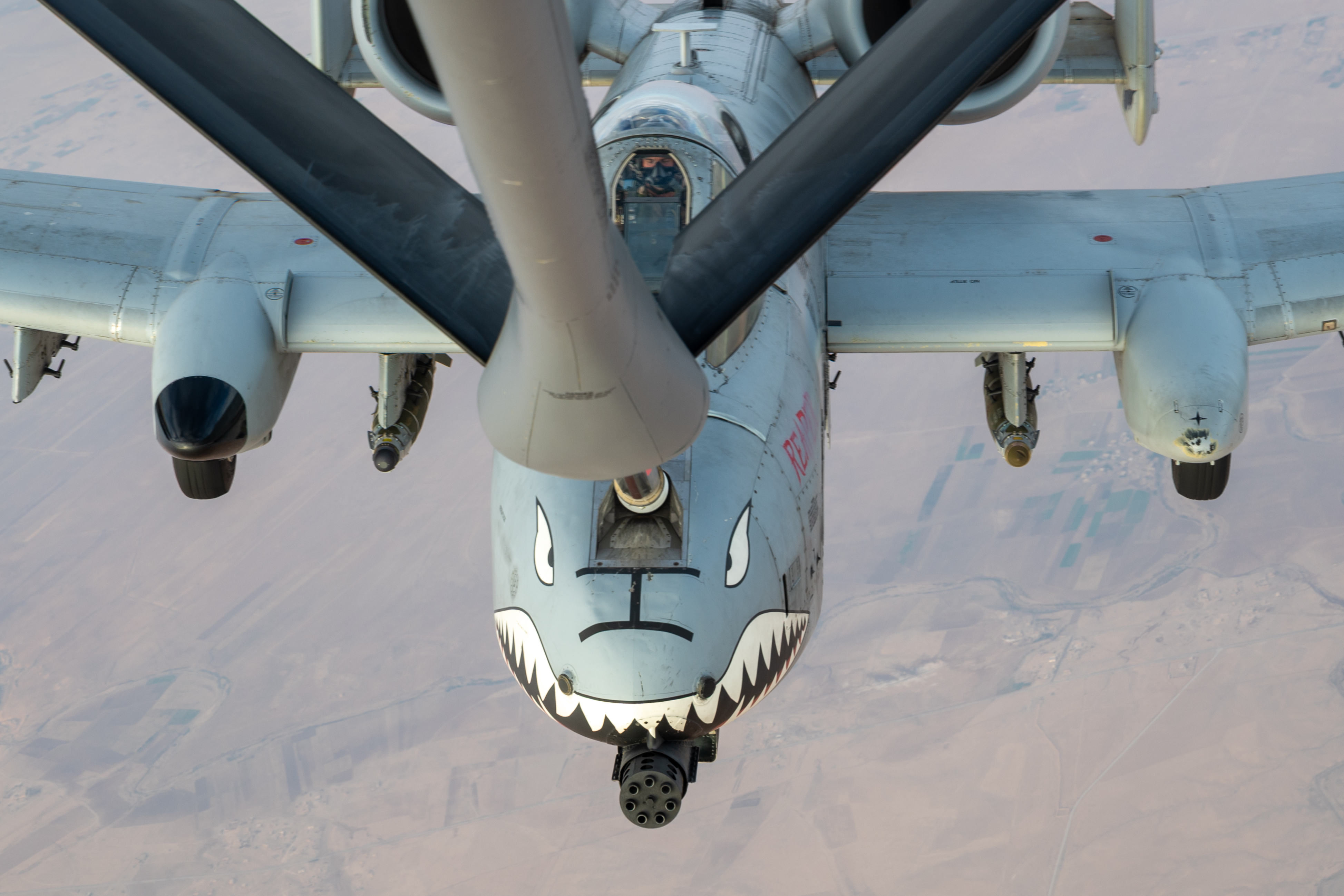
Jet tankers require long runways and do not refuel aircraft at very low altitudes. The ability for USAF fighters to utilize MC-130s and HC-130s, or even Marine KC-130s, as well as standard C-130Js modified for aerial refueling, would drastically change this equation, operating from shorter fields alongside fighters with far more flexibility.
In addition, refueling at altitude, even what is considered low altitude by special operations-focused jet tankers in the USAF’s inventory, which you can read all about here, still is many thousands of feet in the air. This leaves them and their ‘customers’ vulnerable to long-range detection and increasingly far reaching air defenses. This is especially true for an adversary like China, that is investing very heavily into its anti-access/area-denial strategy, which will make normal combat operations far more dangerous much farther from a tactical jet’s target area than in past conflicts. So getting much lower, below the radar horizon, for refueling would go a long way in mitigating this growing threat.
With this in mind, we will likely see aerial refueling by the USAF’s jet tankers, KC-135s and KC-46s, drop lower and new training and procedures will be needed to support this. Risks also increase at these lower altitudes, especially considering that weather can be far more of a factor and aircraft handling changes in the thick air. But even if the USAF adapts its existing jet tanker force to lower altitude refueling operations, they still will not be able to operate out of the airstrips that C-130s can. The USAF also already has many C-130s to leverage for this role, leaving the jet tankers for more traditional, longer-range support missions, which they will be overtaxed with during a major fight in the Pacific to begin with, before even having to support ACE operations.
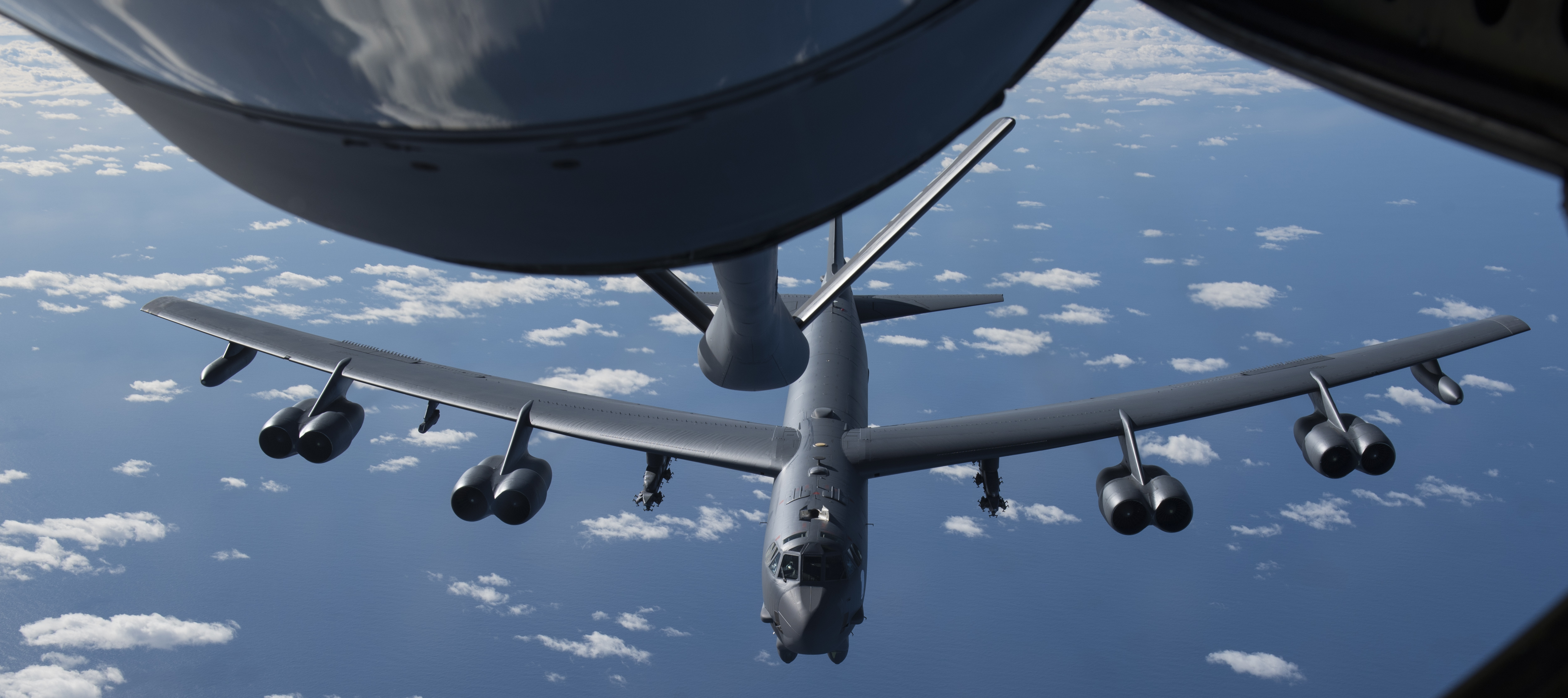
Thus, giving the A-10, as well as other fighters, like F-16s and F-15s (and even F-35s), the ability to be equipped with a probe and pairing them with C-130 tankers, could drastically change the USAF’s ACE equation, and make it far more tactically relevant than it currently is. The C-130s could also work as transports to support small groups of fighters hopping around the Pacific, while also providing tanker support for kinetic sorties.
It’s also worth noting that the USAF is now interested in the exact purpose-built aircraft we originally posited for this mission, but procuring an entirely new type, while sticking to the boom and receptacle concept, is a much bigger ask than adapting the force it already has. Arguably, there would be a place for both concepts in the USAF’s portfolio if it really doubles down on its ACE vision and the boom-equipped tactical tanker could also service probe-equipped fighter aircraft.
For the A-10, the addition of a probe makes even more sense, as these aircraft have the combat search and rescue ‘Sandy’ mission, where they directly escort and provide close air support for special operations helicopters working to pluck personnel out of highly contested territory. This same mission set has been highlighted incredibly well like nothing in recent memory just today over Iran. The HC-130s and MC-130s are already equipped to provide fuel to rotary-wing aircraft during these operations. They could also support A-10s with aerial refueling, as well. This would extend the endurance and range of the A-10’s Sandy mission set. It would also provide more flexibility as to who they can get gas from for other mission types.
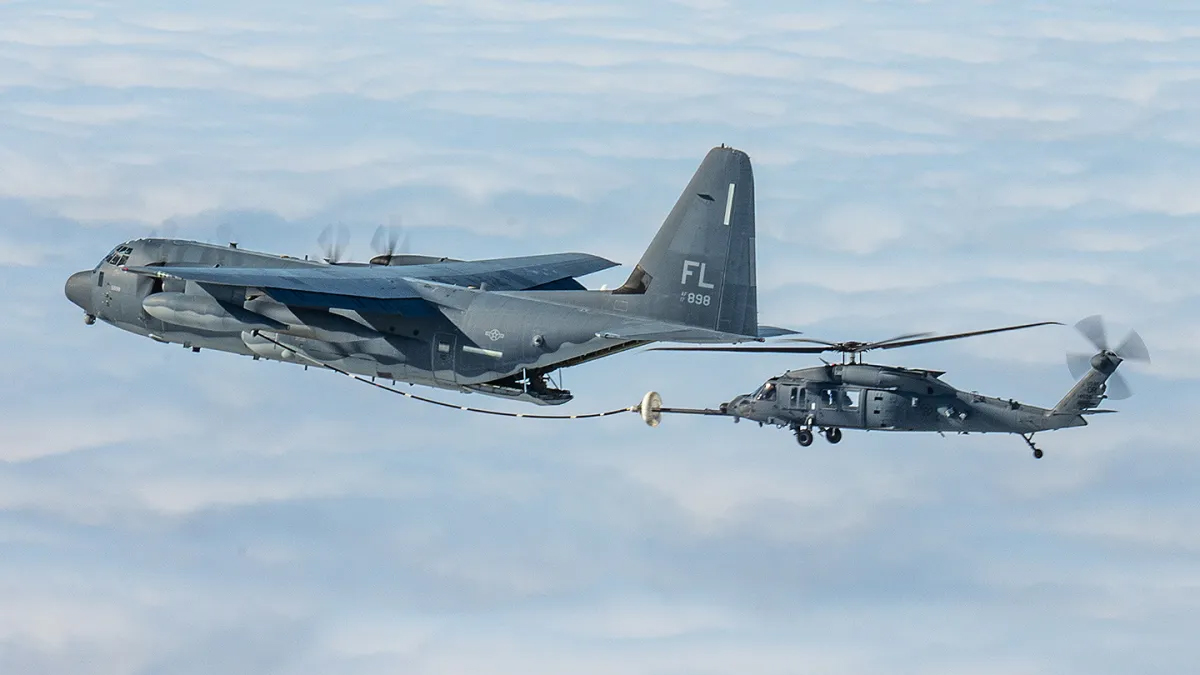
It will be interesting to see if the program moves beyond this demonstration and if this capability gets eyed for more of the USAF’s tactical jet force. It was in the works for some time and appears to have been put into purgatory due to the A-10’s pending retirement, before being put back on a fast track recently. This is at least a sign that the USAF sees major merit in the concept.
As for how the USAF’s fighters could be equipped with a probe, multiple solutions exist, including installing them on drop tanks and conformal fuel tanks, to bolting them onto the empennages of the aircraft. Future F-35As could even be equipped with both a receptacle and a refueling probe as the latter option is installed on the B and C model.
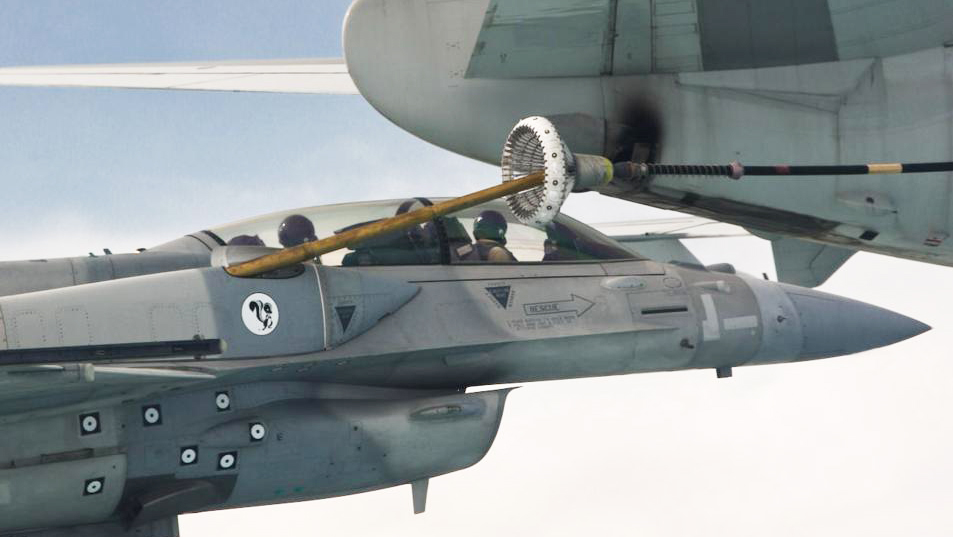
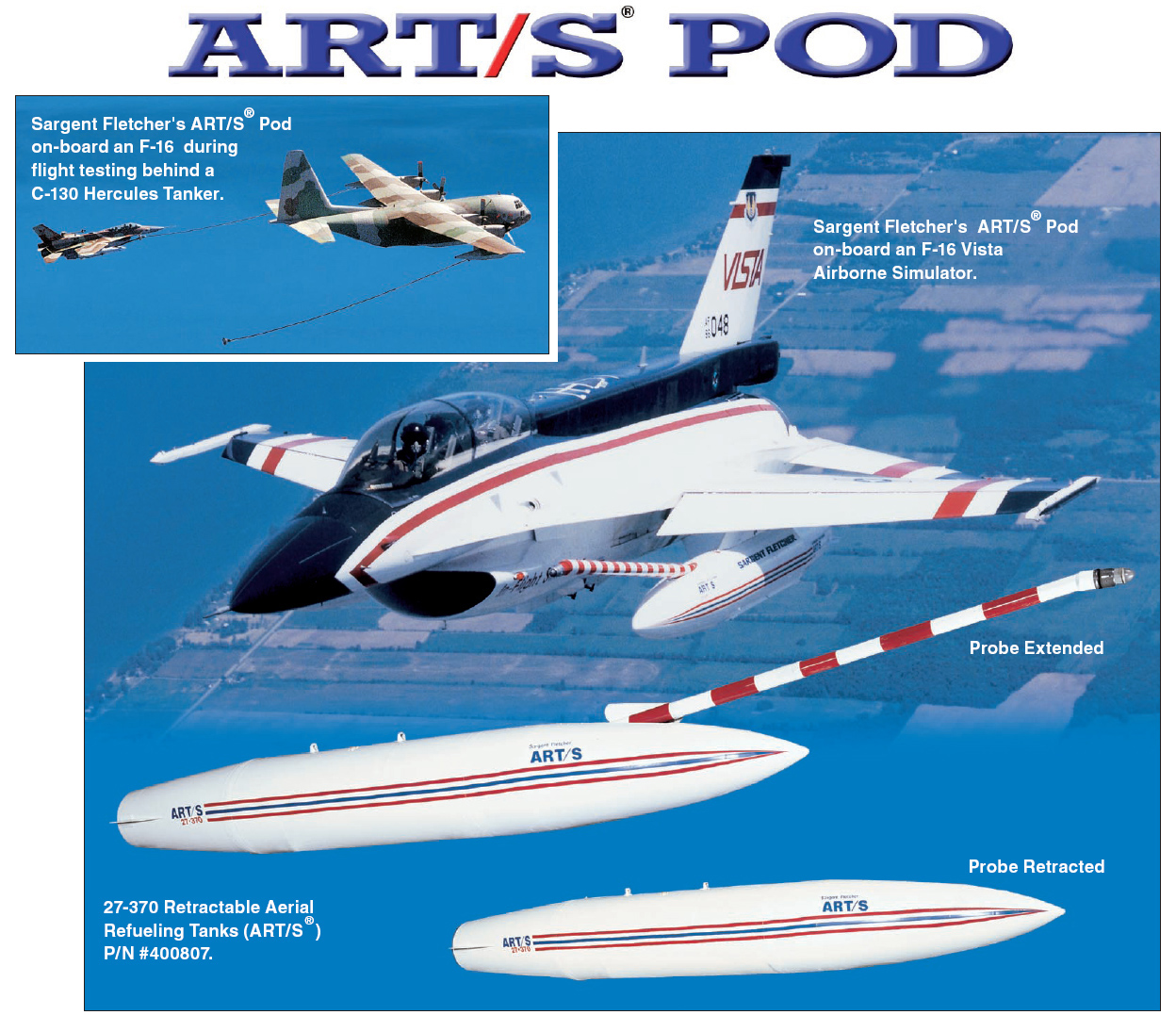
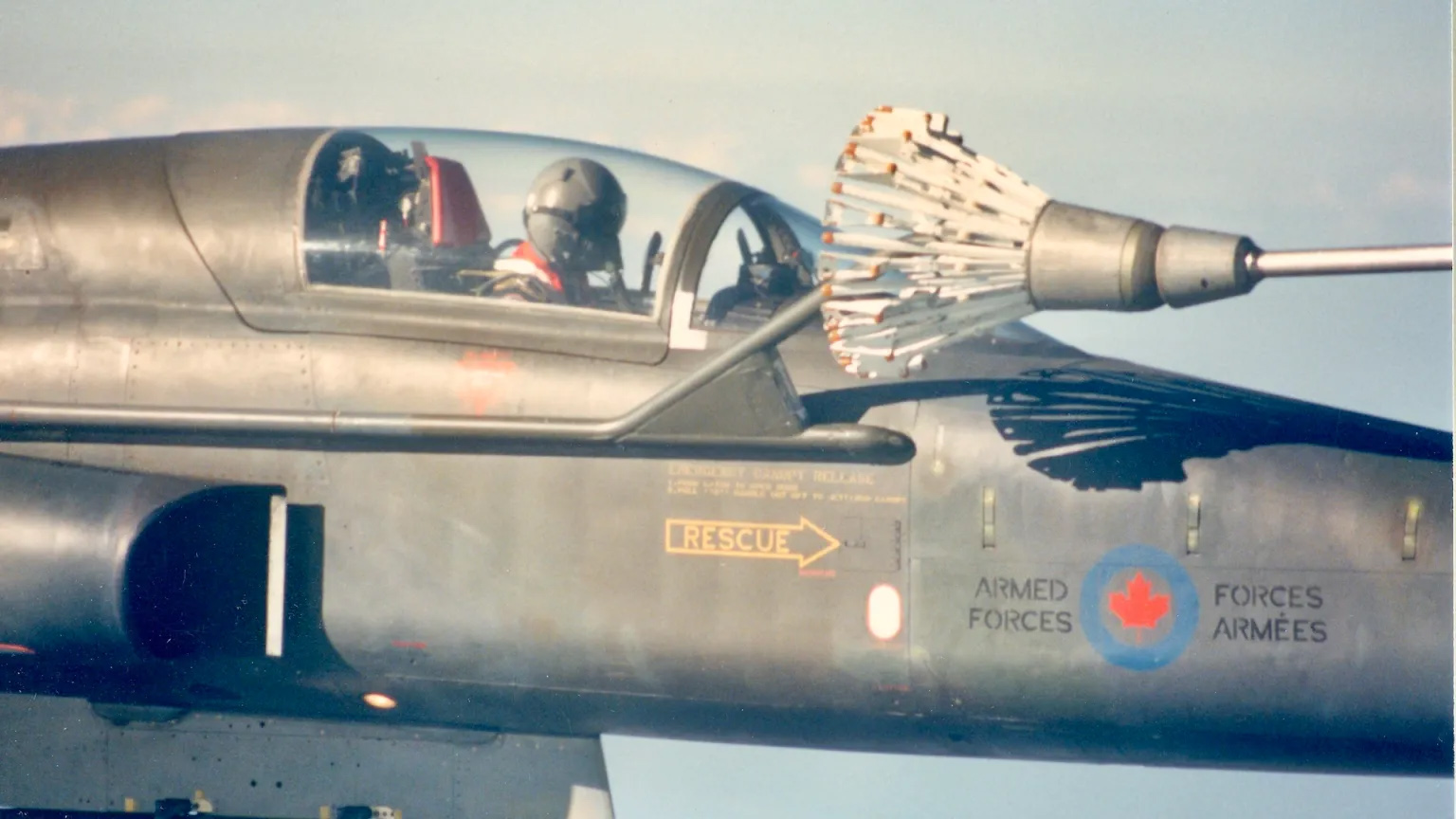
Regardless of what’s to come, this is an encouraging sign that the USAF at least appears to be questioning its ACE dreams and trying to see how relatively simple alterations to it could make it more operationally realistic. If anything else, the Warthog getting this option could help enhance its CSAR capabilities and open the aperture to what tankers can provide gas to it for other operations. Considering the major challenges of future CSAR operations the USAF is facing, where range will be a huge problem, letting the A-10 tank from the same assets as their rotary-wing brethren would be a huge win.
UPDATE:
The USAF has put out a formal release on the test as well as images, the latter of which have been embedded in the article above.
Release and images:
The Air National Guard Air Force Reserve Command Test Center led a rapid multi-organization effort that delivered probe and drogue air refueling capability to the A-10 Thunderbolt II, responding to an urgent combatant command requirement.
The Probe Refueling Adapter addresses operational availability of aerial refueling in theater, expanding refueling options for deployed A-10 units.
The adapter fits into the air refueling receptacle on the nose of the A-10, converting the aircraft from its standard boom refueling configuration to a probe and drogue system. The modification allows A-10s to refuel from HC-130 tankers, significantly expanding refueling options for deployed units.
The capability gap emerged from limited aerial refueling pairing options available to mission planners. With KC-10 tankers retired and KC-46 certification pending, A-10 units remained dependent on KC-135 aircraft for aerial refueling. The probe adapter enables A-10s to refuel from C-130 tankers, whose airspeeds and altitudes prove more compatible with A-10 operations and whose mission sets align more closely with close air support and combat search and rescue operations.
AATC coordinated the effort across multiple organizations to compress development timelines. An industry partner developed and built the probe adapter while the A-10 System Program Office provided engineering oversight for aircraft integration. ARCWERX enabled rapid contract acquisition, and Luke Air Force Base fabricated supporting components to accelerate delivery. The 418th Flight Test Squadron provided the HC-130 tanker and crew for the first refueling mission.
“Once the combatant command issued the requirement, all of the standard acquisition processes began immediately, but everyone involved understood the urgency,” said Lt. Col. Luke Haywas, A-10 Combined Test Force director. “The SPO, ARCWERX, industry partners, and supporting units each brought critical expertise to the effort. Nothing was shortcut or compromised from a technical or safety standpoint. We just accelerated every step we could.”
The probe adapter represents a field-configurable solution designed for installation by operational flight line personnel. Units can install or remove the adapter in a matter of hours, allowing aircraft to be reconfigured between boom and probe refueling capability based on mission requirements.
“This project demonstrates that AATC can serve as a rapid response mechanism when combatant commanders face urgent capability gaps,” said Col. Daniel Wittmer, AATC commander. “We maintained relationships with system program offices and industry partners, and we brought the test expertise needed to move from concept to fielded capability in weeks. That’s not a one-time accomplishment. It’s a model for how the Air Force can deliver operationally relevant capabilities to warfighters at the speed that modern conflict demands.”
The compressed timeline reflects an operational reality where the speed of capability delivery increasingly determines whether the Air Force maintains its warfighting advantage.
The Air National Guard Air Force Reserve Command Test Center is responsible for operational flight test, tactics development, and evaluation for all Air Reserve Component weapons systems. The organization is also chartered to modernize the Air Reserve Component’s Battlefield Airman Enterprise, which includes Intelligence, Surveillance and Reconnaissance, Cyber, Space, and all Combined Test Forces.
Contact the author: Tyler@Twz.com
The post A-10 Warthog Being Tested With Aerial Refueling Probe (Updated) appeared first on The War Zone.